
The Ultimate Celebrity Garages: The True Cost of Hypercar Ownership and the Hidden Wealth

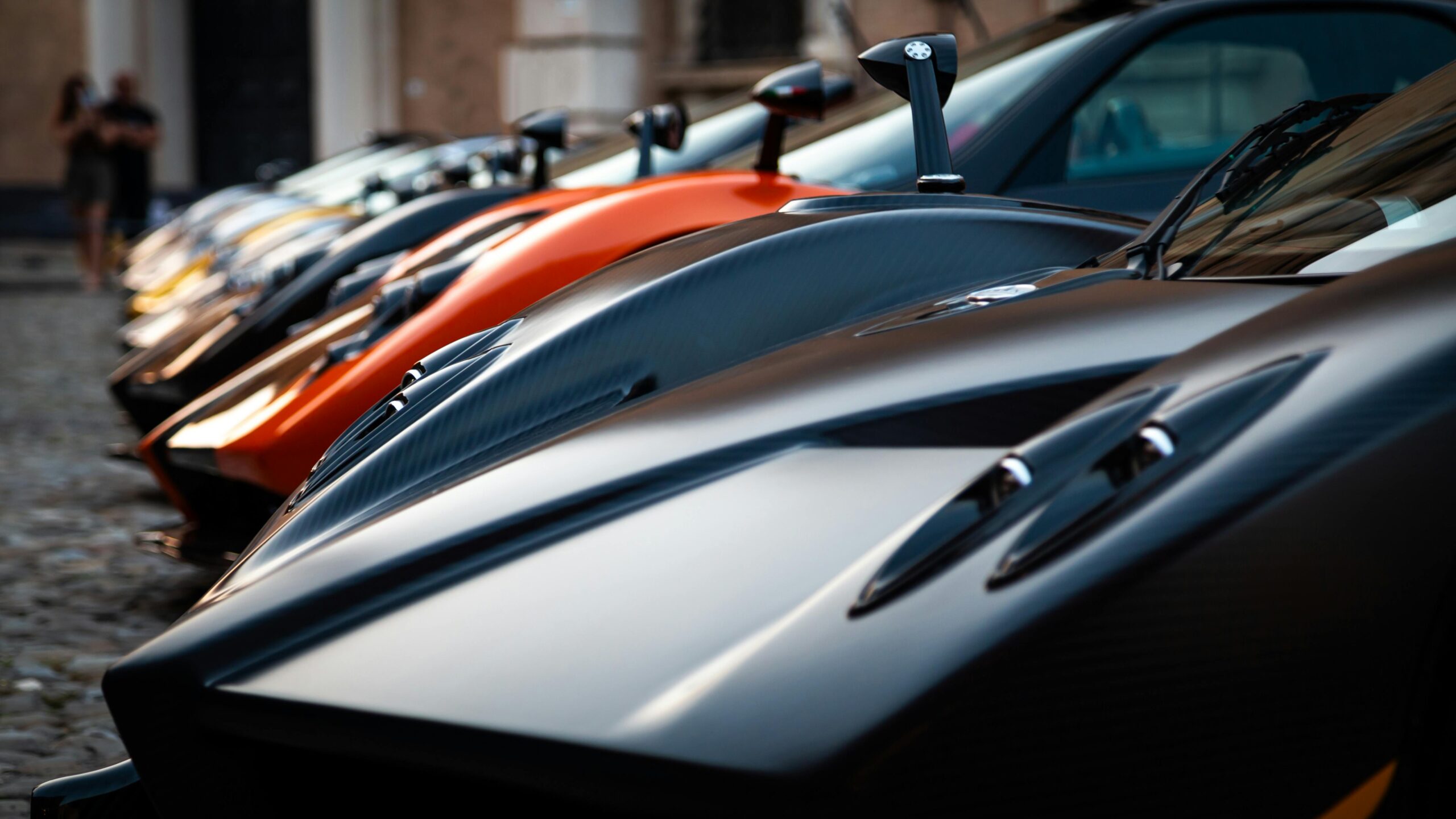
A collection of hypercars parked in an ultimate celebrity garage, reflecting the true cost of ownership and hidden wealth.

The Ultimate Celebrity Garages: The True Cost of Hypercar Ownership and the Hidden Wealth

For the world’s elite, a car is not just transportation—it’s a statement, an investment, and a mechanical work of art. Celebrities, athletes, and moguls often acquire some of the rarest, most powerful, and most expensive vehicles ever produced. However, these multi-million dollar machines conceal a secret: astronomical maintenance and operational costs that make the initial purchase price look like a mere down payment.

This deep dive goes beyond the showroom sticker price to analyze the most jaw-dropping celebrity cars. Furthermore, we assess the value of their spectacular collections and expose the staggering, often secret, expense of keeping a hypercar on the road.


5 of the Most Expensive Celebrity-Owned Cars

Owning a one-of-a-kind car—often a classic racer or a bespoke model—immediately places these celebrities in an exclusive club. In short, the vehicles’ value directly reflects their rarity, heritage, and the complex bespoke customization involved. Therefore, these assets command top dollar.

Car ModelEstimated ValueNotable Owner(s)Key Feature
Ferrari 250 GTO$55.8 MillionRalph Lauren, Nick MasonOne of only 36 built; the pinnacle of classic race car appreciation.
Bugatti Type 57SC Atlantic$40 MillionRalph LaurenA rare pre-war masterpiece; only three originals exist globally.
Rolls-Royce Boat Tail$28 MillionJay-Z & BeyoncéA bespoke coachbuilt grand tourer featuring a dining deck and luxury parasol.
McLaren F1$20 MillionRalph Lauren, Rowan Atkinson, Elon MuskA legendary supercar known for its central driving position and naturally aspirated V12.
Maybach Exelero$8 MillionJay-ZA one-off high-performance concept car commissioned by Fulda Tires.
Source: Based on reported private sales, auction records, and specific model valuations.

The Value of Elite Celebrity Car Collections

Beyond single vehicles, many celebrities amass garages valued like museums. They treat their collections as both a passion project and a serious asset that often appreciates faster than traditional investments. Specifically, these collections offer diversification.

  • Sultan Hassanal Bolkiah of Brunei: His staggering collection is estimated to be worth over $5 billion, comprising approximately 7,000 cars. This places it as perhaps the most valuable private garage on Earth.
  • Ralph Lauren: The fashion mogul’s exquisite collection of around 70 rare cars is valued at over $300 million. Crucially, his focus on automotive art has resulted in many cars winning prestigious class awards.
  • Nick Mason (Pink Floyd Drummer): His collection, valued around **$200 million**, is known for historically significant race cars, including his legendary 1962 Ferrari 250 GTO. **In fact,** its value continues to climb rapidly.
  • Jay Leno: The renowned comedian owns over **180 cars and 150 motorcycles**. His estimated collection value is **$100 million**. **Furthermore,** his meticulous maintenance of historical vehicles gives him rare authority in the collector market.
  • Lewis Hamilton: The Formula 1 champion’s collection mixes modern hypercars and rare classics. It is estimated at over **$30 million**. **For instance,** it features unique vehicles like a one-off Pagani Zonda 760 LH, demonstrating the trend of top athletes investing in customized, ultra-exclusive assets.

The Secret Price of Performance: Hypercar Maintenance Costs

While the purchase price is public knowledge, the maintenance costs are a continuous financial drain known only to the owners. **Consequently,** bespoke engineering, proprietary parts, and highly specialized labor mean even routine service can eclipse the price of a new luxury sedan. This section details the multi-year cycles of non-negotiable ownership costs. **Indeed,** these costs are integral to the asset’s preservation.

Bugatti Veyron/Chiron: The Six-Figure Service Bill

Bugatti engineers hypercars to withstand extreme speed and pressure. This makes their service schedules proprietary and incredibly expensive. **Therefore,** owners face daunting annual costs.

  • Annual Fluid Change: A mandatory yearly service for a Bugatti Veyron can cost between **$25,000 and $30,000**. **Specifically,** this involves draining 16 separate fluid plugs and often requires the removal of the rear axle for access—a process demanding over 24 hours of specialized labor.
  • Tires: A set of specialized Michelin Pilot Sport PAX tires for the original Veyron **costs up to $30,000**. **Moreover,** due to the high-speed certification, owners must replace the tires every 2-3 years, regardless of tread wear.
  • Wheels: The original Veyron wheels **require replacement** after the third set of tires (about 10,000 miles or 6 years) due to stress certification. This cost can **exceed $120,000** for the set. **In addition,** new wheels must be sourced from the factory.
  • Major Components: Replacing a single item like a Bugatti Chiron windshield costs an estimated **$60,000**. **Similarly,** a replacement carbon-ceramic brake rotor costs approximately **$20,000 each**. **Naturally,** these replacements add to the annual budget.
  • Total Annual Cost: Prominent collector Manny Khoshbin estimates he **spends over $100,000 per year** on maintenance alone for his three Bugattis. This highlights the non-negotiable nature of this financial commitment.

Koenigsegg and Pagani: Exotic Materials and Labor

Manufacturers like Koenigsegg and Pagani rely heavily on bespoke carbon fiber and highly tuned engines. This reliance mandates complex and costly upkeep. **Therefore,** owners must budget significantly for specialized labor.

  • Routine Service (Pagani Huayra): A regular annual service often costs around **$12,000**. **However,** a major service that involves removing the engine and transmission can easily run into the six figures, depending on required parts. **For this reason,** the long-term cost modeling is essential.
  • Carbon Fiber Repairs: **Because** these cars utilize unique carbon-fiber weaves, typical body shops cannot repair even minor body panel damage. The cost to replace a single panel on a Koenigsegg can exceed **$50,000**, requiring specialized factory intervention. **Ultimately,** this process prevents unauthorized repair attempts.

The Hidden Costs of Ownership: Insurance, Storage, and Fuel

The financial drain extends far beyond the mechanic’s shop. These “hidden costs” are necessary investments to protect the asset and comply with regulations. **Furthermore,** these expenses are often overlooked by casual observers. **Specifically,** they include non-driving related fees.

Insurance and Security

Insuring a multi-million dollar vehicle is a bespoke process. It requires a specialized high-net-worth broker. **Therefore,** annual premiums are substantial.

  • Annual Premium: The annual insurance premium for a car valued over $5 million can range from **$50,000 to $250,000**. This depends on the owner’s driving record, security measures, and mileage limits.
  • Security Requirements: Policies often **mandate** secure storage. The car must be stored in a climate-controlled facility with specific alarm systems. **Consequently,** this dedicated storage often **costs several thousand dollars per month** to maintain optimal temperature and humidity. **In fact,** climate control is necessary for preserving delicate materials.

Fuel and Fluids

These high-performance machines demand not only premium fuel but also specialized, track-grade fluids. **In effect,** every fluid change costs significantly more than a standard vehicle.

  • Fuel Consumption: A car like the Bugatti Veyron achieves **single-digit miles per gallon (MPG)** under normal driving and can empty its tank in under 15 minutes at top speed. **Clearly,** the cost of just driving the car for pleasure is substantial.
  • Specialized Coolants and Oils: The sheer output of these engines **requires** synthetic oils and high-performance coolants that are far more expensive than standard products. This significantly adds to every fluid change cost. **Furthermore,** owners must use specific proprietary blends.

Investment vs. Depreciation: The Hypercar as an Asset

While a typical luxury sedan depreciates the moment it leaves the lot, certain hypercars and classic models **are managed** as appreciating assets. The market divides these cars into two clear categories: **Modern Depreciators** and **Appreciating Assets.** **Thus,** not all hypercars are created equal in value.

  • Modern Depreciators (Most New Hypercars): The initial owner of a new Ferrari, McLaren, or Lamborghini often absorbs the biggest hit in depreciation (up to **30% in the first three years**).
  • Appreciating Assets (Classics and Limited Editions): **By contrast,** cars with true rarity and historical racing provenance, such as the Ferrari 250 GTO, consistently climb in value. **Moreover,** modern, ultra-limited models (like the Mercedes-AMG ONE) that sell out instantly often appreciate immediately. This turns the initial purchase into a massive investment gain.

Celebrities like Ralph Lauren and Nick Mason manage their rare classics as a financial portfolio. The purchase price and maintenance costs are simply the overhead for holding a rapidly appreciating asset class. **In essence,** this strategy treats the car as a constantly appreciating financial instrument.


Conclusion

The price tag on a celebrity hypercar is merely the ticket to entry for an elite financial club. The annual dues are counted in the hundreds of thousands of dollars. **Ultimately,** these costs underscore a lifestyle far removed from the average consumer, from the meticulous, six-figure services on a Bugatti to the annual insurance premiums and specialized storage. For the mega-rich, the expense is a constant, ongoing demonstration of wealth. It ensures these engineering marvels remain pristine and performance-ready, either for the occasional drive or as a powerful, appreciating financial asset. **Therefore,** the high cost is truly part of the exclusivity.**
The Private Jet Playbook: How Billionaires Ditch Fractional Shares for Full Ownership (And the Celebs Fueling the $12 Million Annual Cost)

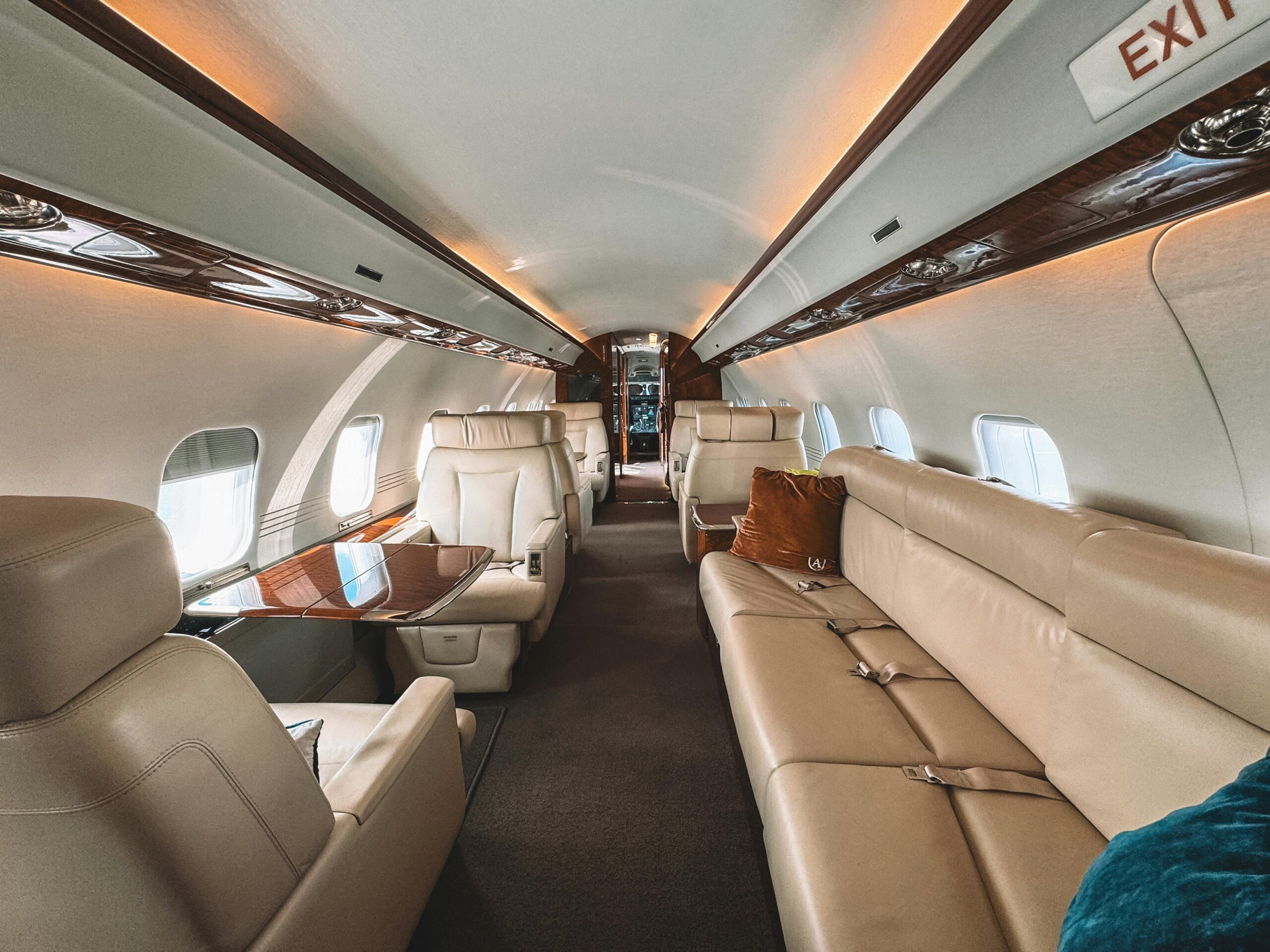
Luxury private jet cabin interior, a symbol of full ownership and the high cost fueled by celebrity and mogul travel.

The Private Jet Playbook: How Billionaires Ditch Fractional Shares for Full Ownership (And the Celebs Fueling the $12 Million Annual Cost)

For the globe-trotting elite, time is the ultimate luxury, and private aviation remains the definitive symbol of ultimate freedom and status. But beneath the veneer of seamless travel, a complex financial strategy unfolds. While **fractional ownership** once dominated the private jet market, an increasing number of billionaires, tech titans, and A-list celebrities are opting for outright ownership, despite annual costs that can soar past **$12 million** for a top-tier Gulfstream or Bombardier.

This in-depth analysis for **CelebJetSet.com** dissects the economics of private jet acquisition, comparing the often-misunderstood costs of fractional shares versus full ownership. We’ll explore the tax advantages, the evolving market trends, and reveal why privacy, flexibility, and tangible control are driving the ultra-wealthy away from shared models—even as operational costs rival a small country’s GDP. Discover the true calculus behind a celebrity’s decision to own the skies.

The Sky-High Stakes: Fractional vs. Full Ownership for the Elite

The choice between fractional ownership, jet cards, and full ownership is a critical financial decision for any high-net-worth individual, balancing immediate access against long-term cost and flexibility.

1. Fractional Ownership: A Gateway, Not a Destination

Fractional ownership (e.g., NetJets, Flexjet) allows an individual to buy a specific share of an aircraft (e.g., 1/16th, 1/8th), granting them a guaranteed number of flight hours per year. While offering convenience and avoiding full capital outlay, it comes with high monthly management fees, occupied hourly rates, and limited customization. For many, it’s a stepping stone.

2. The Freedom of Full Ownership

Full ownership provides complete control over scheduling, customization, and crew selection. There are no black-out dates, no waiting for aircraft availability, and the ability to outfit the cabin to exact specifications (e.g., Beyoncé’s custom-designed interior or Elon Musk’s Starlink-equipped G650). This unparalleled flexibility becomes invaluable for individuals with complex, global itineraries.

3. The Illusion of Cost Savings in Fractional

While fractional ownership requires less upfront capital, the combination of acquisition fees, monthly management fees, and high occupied hourly rates often makes the **effective cost per hour comparable to, or even higher than, full ownership** for users flying more than 200-250 hours per year. For frequent flyers like touring musicians or global CEOs, fractional rapidly loses its financial appeal.


The Financial Flight Path: Annual Costs & Market Comparison

Understanding the true annual cost of a private jet is critical. It’s not just the purchase price, but the persistent operational, maintenance, and crew expenses that define the investment.

Cost CategoryFull Ownership (Approx. Annual)Fractional Ownership (1/4 Share, Approx. Annual for ~200-250 hrs)Key Consideration
**Initial Acquisition (Capital Outlay)**$30M – $70M+$3M – $15M (Plus Equity Depreciation)Higher upfront for full, but asset is fully controlled.
**Fuel Costs**$1.5M – $4M+Included in Hourly/Operational FeesMajor variable, depends on flight hours.
**Crew Salaries & Benefits (2-4 Pilots, 1-2 Flight Attendants)**$600,000 – $1.5MIncluded in Hourly/Management FeesFull ownership requires direct employment/management.
**Maintenance & Engine Reserves**$500,000 – $2MIncluded in Hourly/Management FeesManaged directly, can be unpredictable.
**Hangar & Landing Fees**$200,000 – $800,000Included in Hourly/Operational FeesLocation-dependent, can be substantial.
**Insurance**$100,000 – $300,000Included in Management FeesMandatory, comprehensive coverage.
**Management Fees (if outsourced)**$300,000 – $1M$300,000 – $1.5M (Monthly Fee)Full ownership can use a management company.
**Total Annual OPERATIONAL Costs****$3.2M – $10.6M+****$3M – $8M+** (for 200-250 hrs)Full ownership has higher fixed costs, but lower per-hour variable for heavy users.

Source: Industry estimates, aircraft management companies. Costs vary significantly by aircraft type, age, and usage. Excludes acquisition debt service.

4. The $12 Million Baseline: A Reality for Active Owners

As the table illustrates, for an actively used large-cabin jet, annual costs for full ownership can easily reach **$5 million to $12 million or more**, especially factoring in fuel for extensive global travel. This is a cost many A-listers and corporate giants absorb for the critical advantages it provides.

5. Capital Depreciation vs. Operating Costs

While a jet is a depreciating asset (losing 3-5% of its value annually for the first few years), the depreciation can be a significant tax write-off. For full owners, the goal is often to optimize the operational costs against this depreciation, making it a sophisticated financial vehicle beyond mere transportation.


The Celeb Advantage: Privacy, Productivity, and Tax Plays

Beyond the raw numbers, the non-financial benefits are what truly compel the ultra-wealthy to fully own their private jets.

6. Unmatched Privacy and Security

For celebrities and public figures, private jets offer an unparalleled level of privacy and security unavailable in commercial travel. Avoiding paparazzi at airports, controlling passenger manifests, and ensuring a secure environment for sensitive conversations are priceless advantages that justify the expense.

7. Time as Capital: Maximizing Productivity

For billionaires and CEOs, every hour is capital. A private jet eliminates travel time wasted on layovers, security lines, and airport transfers. Meetings can be held in the air, itineraries can change mid-flight, and multiple cities can be visited in a single day—optimizing an executive’s most valuable resource: their time.

8. Tax Advantages: Accelerated Depreciation (U.S.)

In the U.S., private aircraft used for business can qualify for **accelerated depreciation** (e.g., 100% bonus depreciation in some years). This allows owners to deduct a significant portion of the aircraft’s purchase price, sometimes its full value, against taxable income, providing a massive tax shelter that significantly offsets the cost of ownership.

9. Branding and Business Tool

For global brands and public figures (e.g., Taylor Swift’s jet, Mark Cuban’s Boeing), the private jet is an extension of their brand and a powerful business tool. It enables them to reach remote locations for events, tour efficiently, and project an image of success and global reach that is invaluable for their enterprise.


The Turbulence Ahead: Risks, Management, and the Future

Despite the advantages, private jet ownership comes with significant responsibilities and evolving market dynamics.

10. Operational Complexity and Compliance

Operating a private jet is a complex undertaking involving stringent FAA/EASA regulations, crew management, maintenance scheduling, and international flight planning. Most owners outsource this to specialized aircraft management companies (e.g., Gama Aviation, ExecuJet) who handle all aspects for a substantial fee.

11. Hidden Costs and Unexpected Maintenance

Beyond regular reserves, unforeseen maintenance events (e.g., bird strikes, major component failures) can lead to multi-million dollar repair bills. While insurance covers some, these events can ground an aircraft for weeks or months, incurring opportunity costs.

12. Environmental Scrutiny and Carbon Offsets

Private jet travel faces increasing environmental scrutiny. Owners, particularly high-profile celebrities, are often pressured to invest in **carbon offset programs** or utilize Sustainable Aviation Fuel (SAF), adding another layer of cost and reputational management to ownership.

13. Resale Market Volatility

The resale value of private jets can be volatile, influenced by new model releases, global economic conditions, and the cost of fuel. While some models hold value well, others can depreciate rapidly, meaning the owner might not recoup their initial capital investment.

14. The “Dry Lease” Revenue Model

To offset costs, some owners “dry lease” their aircraft when not in use. This involves contracting with a charter operator who uses the plane (without a crew) for third-party charters, generating revenue to offset annual expenses. This requires careful management to ensure the aircraft remains available for the owner’s primary use.

15. Future Innovations: Supersonic and Electric

The industry is on the cusp of revolutionary changes, with the development of **supersonic private jets** (e.g., Boom Supersonic’s Overture) and **electric vertical take-off and landing (eVTOL) aircraft**. These innovations promise to redefine private travel, potentially offering even faster, more efficient, and environmentally friendlier options, which will impact current asset values.


Conclusion: Where Sky Meets Strategy for the Elite

Private jet ownership, for the ultra-wealthy and celebrity class, is a sophisticated strategic decision driven by an uncompromising demand for privacy, productivity, and unparalleled control. The staggering annual costs, often exceeding $12 million, are justified by the invaluable benefits of time optimization, enhanced security, and significant tax advantages.

As the market evolves, the trend towards full ownership over fractional shares underscores a preference for complete command over one’s most precious resource: time. For the readers of **CelebJetSet.com**, understanding this high-stakes game reveals that for the true elite, the skies are not just for travel—they are an extension of their strategic domain.

Disclaimer: This article provides general market commentary and is not financial, tax, or legal advice. Consult licensed professionals.