
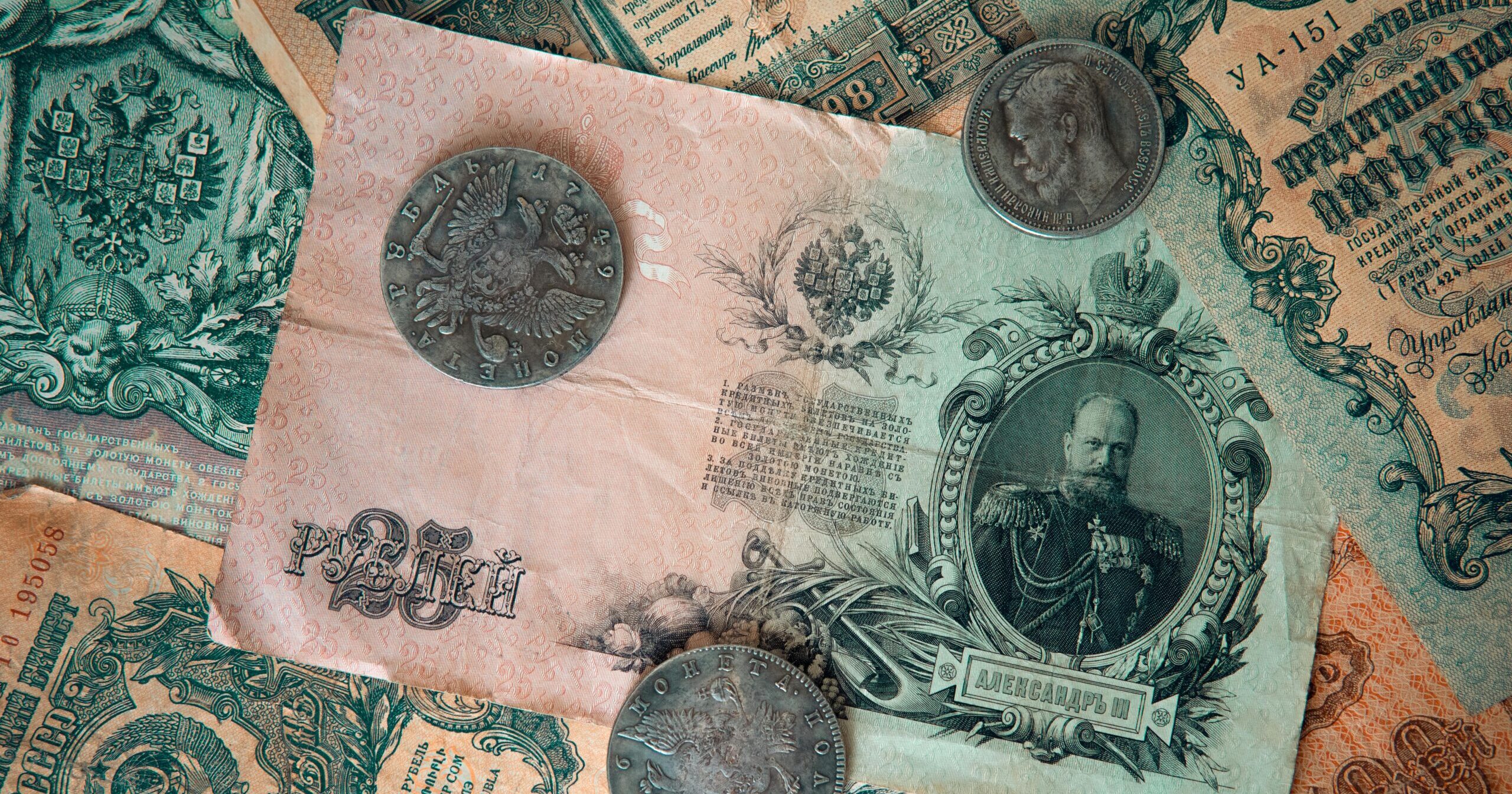
The Ultimate Stable Asset (Part II): Historic Stamps and Rare Coinage—The Enduring Value of Numismatic and Philatelic Portfolios
For the high-net-worth individual (HNWI), portfolio diversification means looking beyond traditional financial instruments. It means investing in **tangible assets** whose value is determined not by quarterly earnings, but by history, verifiable rarity, and passionate, enduring demand.
Among the most discreet and consistently performing physical assets are **numismatics** (rare coins) and **philately** (rare stamps). These collectibles have long been held by the wealthy as a hedge against currency devaluation and stock market volatility. This analysis explores why these items are considered one of the most stable long-term holdings in the world of alternative finance.
The Performance of Provenance: Numismatic and Philatelic Indices
Investment-grade rare coins and stamps are valued due to their finite supply, authenticated historical significance, and a large, dedicated global collector base. Their performance is generally considered **uncorrelated** with traditional financial markets, making them excellent diversifiers for a sophisticated portfolio.
Historical Long-Term Growth Rates of Investment-Grade Collectibles
Leading indices that track investment-grade British coins and stamps show robust historical annualized growth rates, often exceeding the performance of major stock indices over several decades. Investors treat the verifiable rarity of these items as the core driver of value appreciation.
| Asset Class Index (Historical CAGR) | Approximate Annualized Return | Observation for the Investor |
|---|---|---|
| Rare Coins (GB200 Index) | $\approx 12.75\%$ | Consistently high growth, often tied to precious metal content and certified grade. |
| Rare Stamps (GB250 Index) | $\approx 11.43\%$ | Stability driven by scarcity and large, global collector base, especially in emerging markets. |
Note: Compound Annual Growth Rate (CAGR) figures are based on specific market indices and serve only to illustrate historical performance. They do not guarantee future returns.
The Due Diligence: Rarity, Condition, and Certified Authentication
For the serious investor, the crucial entry barrier is **expertise**. Unlike buying traditional securities, the value of a stamp or coin is highly dependent on its **Condition** and proven **Authenticity**. The key to unlocking investment value lies in the following three non-negotiable factors:
- Rarity (Scarcity): The fewer copies that were produced and have survived in collectible condition, the higher the baseline value. Historical mistakes (errors in printing or striking) often create the highest-value rarities.
- Condition (Grade): For coins, this is the numeric grade (e.g., MS-70 is flawless Mint State). For stamps, it includes centering, color fidelity, and absence of damage. The difference between a slightly degraded piece and a near-perfect specimen can equate to millions in valuation.
- Authentication and Pedigree: Investment-grade assets must be certified by professional third-party grading services (e.g., PCGS or NGC for coins; major expert committees for stamps). The item is often sealed in a protective, tamper-proof holder (a “slab”), which validates its grade and authenticity and links it to a clear chain of ownership.
The Highest Valuations: Lessons from Auction Records
The price ceiling for these tangible assets is set by items with unique historical narratives and unparalleled scarcity. These world-record sales underscore the potential for capital appreciation.
- The 1933 Double Eagle Coin: Famously the most valuable U.S. rarity, this gold coin was never officially issued for circulation. The last legal example sold for \$18.9 million, illustrating that unique historical circumstance drives the highest numismatic values.
- The British Guiana 1-Cent Magenta Stamp (1856): Only one authenticated copy exists, making it the rarest stamp in the world. It realized **\$9.48 million** at auction in 2014, with subsequent sales remaining firmly in the multi-million dollar range.
Important Considerations for the Investor
While a powerful hedge, numismatic and philatelic investment requires a long-term perspective and an acceptance of certain market characteristics:
- Illiquidity: Collectibles are far less liquid than stocks or bonds. Selling can take months or years, and the transaction costs (auction house fees, dealer markups) can be substantial.
- Unregulated Market: This sector is largely **unregulated** compared to financial securities. Investors must rely on the reputation and expertise of certified dealers, auction houses, and grading services. Due to this complexity, professional advice is essential to avoid potential fraud or misrepresentation.
In conclusion, rare coins and stamps offer the wealthy collector a powerful combination of **historical integrity, stable capital preservation, and inherent scarcity**. As tangible stores of value, they are an essential component for any sophisticated portfolio seeking deep diversification outside of conventional markets.