
Fractional Ownership and Trust Structures in Ultra-Luxury Residential Real Estate

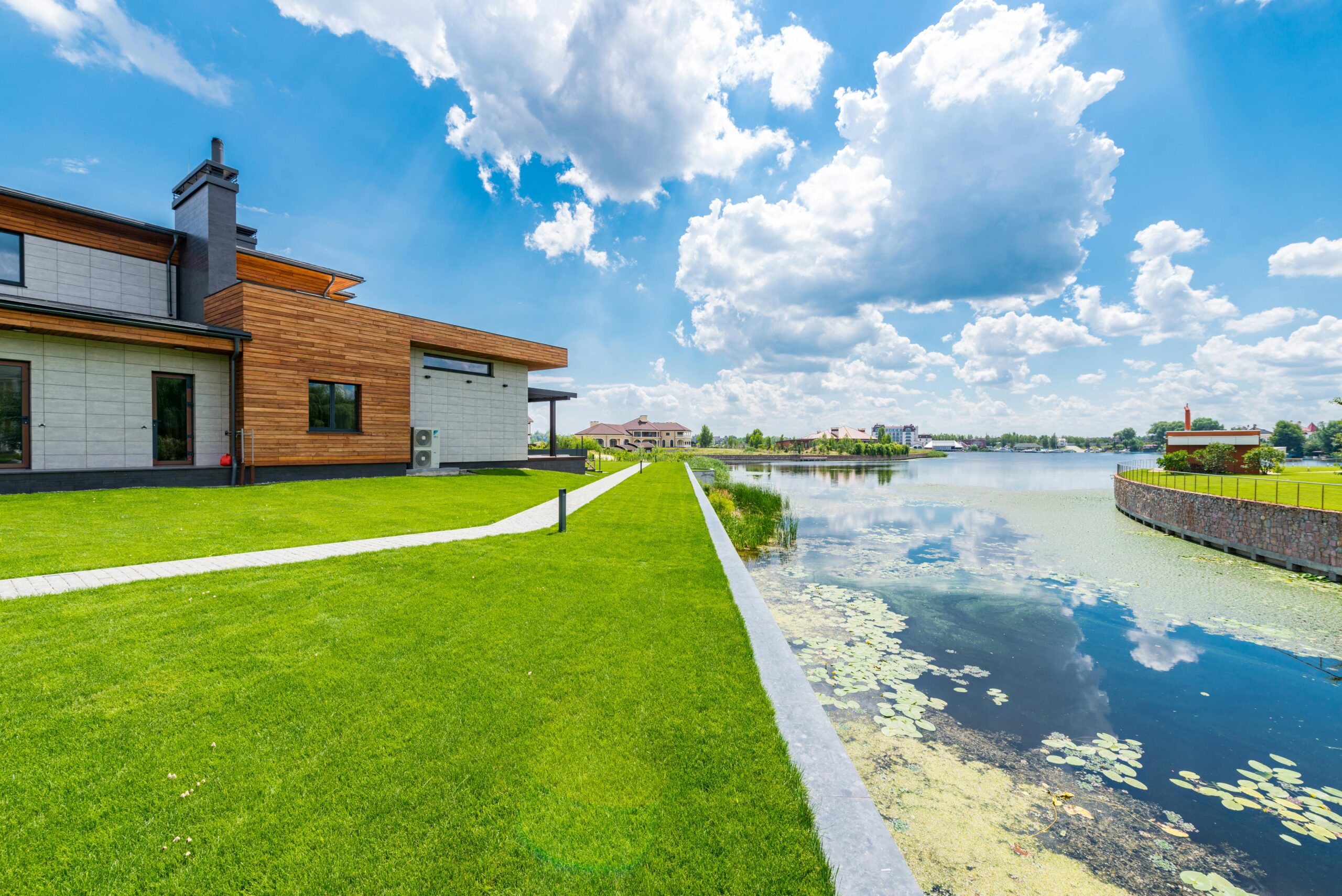
Architectural photo of an ultra-luxury residential property, representing fractional ownership of the asset.

Fractional Ownership and Trust Structures in Ultra-Luxury Real Estate

Ultra High-Net-Worth (UHNW) investors often use residential real estate not just for domicile, but as complex, tax-efficient financial instruments. Direct ownership, however, frequently fails to meet capital preservation goals. **Consequently**, the field of **luxury real estate trust structures** has evolved, employing complex legal and financial vehicles like Delaware Statutory Trusts (DSTs) and specialized Qualified Opportunity Funds (QOFs). These mechanisms manage tax liability, facilitate wealth transfer, and enable fractional liquidity previously unavailable in the traditional market.

The Challenge of Direct Real Estate Ownership

Direct ownership of a multi-million dollar asset creates several immediate logistical and financial challenges: it concentrates risk, complicates estate planning, and subjects the owner to significant capital gains taxes upon sale. **Therefore**, sophisticated investors seek out structures designed to decouple ownership from full financial liability. These strategies focus on maintaining asset control while optimizing tax deferral and transferability.


I. Fractional Models: Decoupling Risk and Liquidity

Fractional ownership allows multiple investors to own a portion of a single, high-value asset. **However**, UHNW applications typically go beyond simple tenants-in-common structures, moving toward legally structured entities.

Delaware Statutory Trusts (DSTs)

The **Delaware Statutory Trust (DST)** is one of the most effective structures for facilitating real estate investment. A DST is legally considered a single point of ownership. **Crucially**, this allows multiple investors to participate without being designated as partners. The primary advantage of a DST is its qualification for the **1031 Exchange**.

Ownership StructurePrimary BenefitLiquidity
**Direct Ownership**Full control and decision-making power.Low; dependent on market sale of the entire property.
**Delaware Statutory Trust (DST)**Qualification for 1031 Exchange Tax Deferral.High; fractional interest is transferable to other DSTs.
**Qualified Opportunity Fund (QOF)**Deferral/Exclusion of Capital Gains Taxes.Low; 10-year holding period is generally required for full tax benefit.

The 1031 Exchange Mandate

The **1031 Exchange** allows an investor to defer capital gains tax when selling an investment property, provided they reinvest the proceeds into a “like-kind” asset. **Specifically**, DSTs allow an investor to sell a property, place the funds into a DST interest within the mandatory 45-day identification period, and maintain the tax-deferred status. This ability to swap fractional interest without triggering immediate tax liability makes the DST crucial for managing generational wealth transfers.


II. Tax Optimization: Qualified Opportunity Funds (QOFs)

The most aggressive tax strategy currently used in **luxury real estate trust structures** involves the **Qualified Opportunity Fund (QOF)**. These funds are structured as corporations or partnerships designed to invest in economically distressed areas, known as Qualified Opportunity Zones (QOZs).

Capital Gains Deferral

**Furthermore**, a QOF provides three powerful tax benefits for investors:

  1. Deferral: Investors can defer capital gains tax on prior investments if they reinvest those gains into a QOF. The deferred gain isn’t realized until the end of 2026.
  2. Reduction: If the QOF investment is held for seven years, the original deferred capital gain is reduced by 15%.
  3. Exclusion: If the QOF investment is held for **10 years or more**, any appreciation *within* the QOF is excluded entirely from capital gains tax.

**Consequently**, this structure incentivizes long-term investment. UHNW investors use QOFs to finance luxury urban developments or large-scale private estate conversions within designated zones, achieving significant tax relief. The complex regulations governing these funds are strictly defined by the Internal Revenue Service (IRS). For full compliance details, investors must refer to the official IRS Guidance on Opportunity Zones.


III. Legal Structure: Managing Complexity

The underlying asset of **luxury real estate trust structures** is always protected by layers of legal entities, primarily Limited Liability Companies (LLCs).

Asset Protection and Anonymity

Using an LLC provides a firewall between the investor’s personal assets and the liabilities of the investment property. **Therefore**, if litigation arises related to the property (e.g., environmental claims or premises liability), the investor’s personal wealth remains protected. **In addition**, many UHNW individuals use layered LLCs (a “parent” LLC owning several “child” LLCs) to maintain a high degree of privacy and anonymity concerning the true beneficial owner of the real estate.

Trust Mandates

**Ultimately**, the trust structure (like the DST) dictates operational mandates. Unlike a partnership, a DST is passive. **Thus**, the trustee—a third-party professional—makes all operational decisions, ensuring the structure remains compliant with its specific tax status. The investor only holds a beneficial interest, not direct management control.

Conclusion

The evolution of **luxury real estate trust structures** reflects the UHNW investor’s demand for tax optimization and legal protection over simple asset appreciation. **Finally**, mechanisms like the DST facilitate mandatory 1031 exchanges, while QOFs offer powerful tax deferral incentives. Successfully navigating this market requires professional counsel, as a single misstep in compliance or title structure can negate millions in intended tax savings. This highly technical legal infrastructure is the true guarantor of retained wealth in luxury real estate.


Disclaimer

This article is for informational and educational purposes only and doesn’t constitute financial, legal, or investment advice. Readers should consult with a qualified professional regarding their specific asset protection and tax planning needs.
The Ultimate Status Destination: Private Islands and Remote Luxury Real Estate—Beyond the Billionaire Beach House

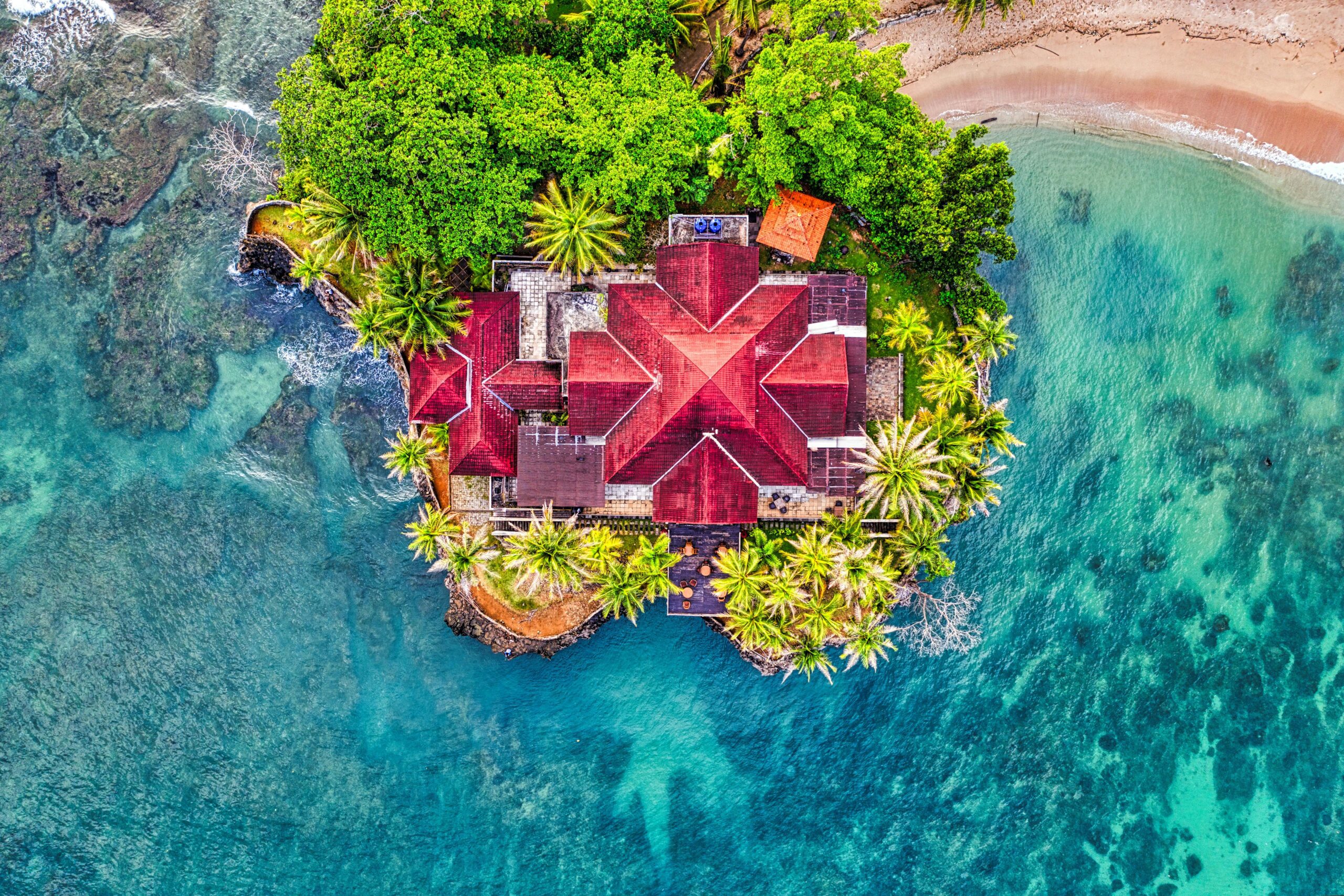
Remote luxury real estate, featuring modern architecture in a secluded coastal setting, a true status destination.

The Ultimate Status Destination: Private Islands and Remote Luxury Real Estate—Beyond the Billionaire Beach House

In the hierarchy of ultra-luxury assets, one acquisition sits at the apex, representing the final frontier of wealth and control: **private islands and vast, remote luxury real estate compounds**. For global figures—from Mark Zuckerberg to Leonardo DiCaprio—and the clientele defining the **CelebJetSet.com** lifestyle, ownership of a personal landmass or a secluded mega-compound signals a level of wealth that transcends public display, focusing instead on absolute privacy and geopolitical security.

This comprehensive financial and lifestyle analysis delves into the complex calculus of acquiring, developing, and maintaining these ultimate status destinations. We will dissect the market dynamics that govern these non-traditional real estate purchases, comparing the cost of a fully developed island versus a bespoke remote compound. Furthermore, we will examine the critical factors—from environmental stewardship to jurisdictional stability—that determine the asset’s long-term value and why these secluded properties are increasingly viewed as the ultimate investment in **wealth preservation and personal safety**.

The Remote Real Estate Thesis: Privacy as the Ultimate Commodity

The core value driver for private islands and secluded compounds is not proximity or convenience, but the scarcity of secure, controlled, and utterly private space.

1. Absolute Control and Security

Unlike a penthouse in Manhattan, a private island provides an unmatched level of security and control over all access points (airspace, maritime approach). For high-profile individuals, this ability to completely insulate themselves from the public eye and physical threats is the most significant benefit, making the asset priceless.

2. The Geopolitical Safe Haven

Billionaires often seek **jurisdictional diversification** for their assets. Remote luxury real estate, particularly in politically stable nations with favorable tax laws (e.g., the Caribbean, specific Pacific nations), offers a safe haven for capital and a potential secondary residency, insulating them from political turbulence in their home country.

3. The Scarcity of Buildable, Private Land

The number of developable, title-clear, and politically viable private islands is exceptionally small and finite. This permanent scarcity guarantees a strong floor under the asset’s value, distinguishing it from conventional, urban real estate where supply can eventually be expanded.

4. The Celebrity Environmental Legacy

Many high-profile owners, such as Leonardo DiCaprio with his development of Blackadore Caye in Belize, use their islands to create an environmental legacy. By dedicating resources to ecological restoration and sustainable development, they not only enhance the asset’s long-term value but align their status with global conservation efforts.

The Financial Calculus: Development vs. Turnkey Acquisition

The true financial cost of a private island is rarely the purchase price alone; it is the immense capital expenditure required for development and the continuous operational burden.

Cost CategoryUndeveloped Private Island (e.g., Bahamas)Turnkey Luxury Compound (e.g., Wyoming Ranch)Key Financial Difference
**Acquisition Cost (Raw Land/Island)**$5 Million to $50 Million+$15 Million to $100 Million+Islands are highly variable, often priced based on size and title clarity.
**Development Cost (Infrastructure)****$50 Million to $200 Million**$20 Million to $80 MillionIsland infrastructure (power, water, sanitation) must be self-contained and is extremely expensive.
**Annual Operational/Staffing Cost**$2 Million to $10 Million$1 Million to $5 MillionIslands require full-time marine, utility, and security staff (often 20+ people).
**Liquidity**Very Low (5+ year sales cycle)Low (2+ year sales cycle)Niche market; requires highly specific, wealthy buyer.

5. The Infrastructure Burden

For an undeveloped private island, the investment in infrastructure—installing desalination plants for water, large-scale generators or solar farms for power, helicopter pads, docks, and waste treatment systems—can easily surpass the initial land purchase price. This is the largest difference in cost compared to mainland luxury real estate.

6. Operational Expenditure and Staffing

Maintaining a functioning, high-end private island requires a dedicated, year-round staff that can include marine engineers, security chiefs, electricians, captains, chefs, and luxury service personnel. This continuous, multi-million dollar annual overhead is mandatory to keep the asset operational.

7. Non-Correlation and Market Resilience

The pricing for prime private islands is highly non-correlated to the mainstream housing market. Their value is driven by the movement of ultra-high-net-worth capital seeking trophy assets, often stabilizing during financial downturns when traditional housing values falter.

The Acquisition Playbook: Title, Tax, and Valuation

Purchasing a private island is a complex legal and logistical endeavor requiring international experts in maritime law, title search, and tax optimization.

8. Clear Title and Development Rights

The most crucial step is verifying the **title (ownership)** and securing clear **development rights**. Many islands have clouded titles or restrictive environmental regulations that prohibit the construction of luxury amenities. A thorough legal review is required to ensure the asset can actually be used as intended.

9. Tax Optimization via Holding Structures

To optimize tax exposure and ensure privacy, islands and large compounds are rarely purchased in an individual’s name. Sophisticated buyers use complex international holding companies or trusts registered in favorable jurisdictions, which minimizes tax liabilities and streamlines eventual generational transfer.

10. Environmental Impact and Permitting Risk

Development on coastal and island property is subject to severe environmental scrutiny. Securing building permits often involves lengthy, multi-year processes and mandatory ecological impact studies. Failure to comply can result in fines or complete cessation of development, representing a major financial risk.

11. Liquidity Constraint and Niche Buyers

Private islands are highly illiquid. The potential buyer pool is extremely small, meaning the sales process is lengthy, sometimes taking five years or more. Sellers must be prepared to accept a holding cost over this period, requiring this asset to be only a small fraction of a diversified portfolio.

The Ultimate Celebrity Status: Island and Remote Ownership

For the celebrity class, owning a private island is the definitive move to ensure a life free from public scrutiny and to control their immediate environment.

12. The Brand of Exclusivity

Celebrities like Richard Branson (Necker Island) and Eddie Murphy (Roatán, Bahamas) have successfully used their islands not just as personal escapes, but as extensions of their luxury brand, often monetizing them through exclusive resort rentals or event hosting.

13. Discrete Access and Logistical Mastery

Remote luxury real estate, such as vast estates in Wyoming or the Pacific Northwest, offers seclusion that rivals an island. These assets are often equipped with private airstrips, underground garages, and specialized bunker facilities, demonstrating a focus on self-sufficiency and discreet, high-level logistics.

14. Generational Wealth Transfer

Unlike fluid financial assets, private land and islands are tangible, enduring assets that are prime candidates for generational wealth transfer. Held within trusts, these properties become legacies, passing from generation to generation while continually appreciating in scarcity value.

15. Fractional and Tokenized Real Estate

While full private islands are generally not fractionalized, the surrounding luxury real estate market is seeing innovation. Platforms are starting to **tokenize high-value fractional ownership** in villas and luxury resorts, offering HNW investors indirect, liquid exposure to the remote luxury real estate sector.

Conclusion: The Investment in Sovereignty

Private islands and vast remote luxury compounds represent the ultimate expression of financial and personal sovereignty. The price of entry is staggering—not just the multi-million dollar acquisition, but the continuous, multi-million dollar annual operational cost.

For the elite readers of **CelebJetSet.com**, these assets are more than real estate; they are a strategic investment in control, privacy, and geopolitical stability. By building their own private dominion, the world’s most successful individuals secure a truly non-correlated asset that preserves wealth while affirming their position at the very peak of the global status hierarchy.

Disclaimer: This article provides general market commentary on luxury real estate and is not financial, investment, or legal advice. Consult licensed professionals.