
The Jurisdictional and Tax Complexities of Private Jet Ownership

Illustration of an LLC deed over a G650 private jet, representing tax mitigation

The Jurisdictional and Tax Complexities of Private Jet Ownership: Leveraging LLCs, Trusts, and Bonus Depreciation for UHNW Asset Structuring

For the Ultra High Net Worth Individual (UHNWI), a private jet is the definitive tool. It maximizes time and operational flexibility across global markets. Acquiring a large-cabin, ultra-long-range jet—with costs from $20 million to over $80 million—is never a simple personal purchase; it is a profound financial and legal undertaking. Private aviation’s true value is not the asset itself. **Instead,** sophisticated legal and tax structures mitigate liability and optimize considerable tax benefits. **This deep-dive analysis dissects the critical ownership structures, IRS compliance hurdles, and jurisdictional risks. UHNWIs must address these points to transform a multi-million dollar asset into a strategically leveraged business tool.**

The Foundational Pillars of UHNW Aircraft Ownership Structure

The legal entity that holds the aircraft is the most critical step in the acquisition process. **Crucially,** this choice dictates liability protection, administration complexity, and the applicable tax regime. While several models exist, UHNW individuals and family offices typically rely on three primary structures. These structures, often based in Delaware or other favorable jurisdictions, ensure strong asset isolation and privacy.

Limited Liability Companies (LLCs) and C-Corporations

The **Limited Liability Company (LLC)** remains the most popular ownership vehicle. It offers a powerful combination of liability shielding and flexible tax treatment. When structured as a pass-through entity, the LLC allows jet-related losses and deductions to flow directly to the owner’s personal income tax return. **However,** a **C-Corporation** may be preferable for UHNW clients anticipating significant commercial use, such as chartering the jet when not in use. The C-Corp provides maximum liability protection. It also allows for the deduction of nearly all business-related operating expenses before corporate income tax is assessed.

Taxation Differences: C-Corp vs. Pass-Through

The major drawback of the C-Corp structure is the potential for double taxation on distributed dividends. This factor requires careful financial modeling by the family office’s tax counsel. **Conversely,** the LLC structure’s pass-through nature simplifies the deduction process, avoiding the complexity of double taxation. **Therefore,** the projected balance between personal use, business use, and charter revenue should determine the optimal corporate structure. Tax advisors must model this balance before the transaction closes.

Owner Trusts and Security

The U.S. Federal Aviation Administration (FAA) requires that U.S.-registered aircraft be owned by a U.S. citizen or a U.S. corporation. **Consequently,** many foreign UHNW buyers—or those prioritizing privacy—employ the **Owner Trust**. In this arrangement, the U.S. trustee holds the aircraft’s legal title for the non-U.S. person or entity (the Beneficiary). The trust structure legally satisfies the FAA registration requirement. It also provides an additional layer of asset protection and jurisdictional distance for the beneficiary. The trust agreement must be meticulously drafted. It must define operational and maintenance responsibilities, ensuring the beneficiary retains necessary control while the trustee maintains regulatory compliance under FAA Part 91.

Maximizing Tax Efficiency: The Strategic Role of Bonus Depreciation

For U.S. taxpayers, accelerated depreciation is the primary financial incentive for private jet ownership. This acceleration can offset substantial taxable income. **Significantly,** this strategy hinges entirely on meeting the IRS threshold for business use, a standard that requires meticulous record-keeping.

The 50% Business Use Imperative

**Specifically,** the aircraft must serve qualified business purposes for **more than 50% of its annual flight time** to qualify for the most aggressive depreciation schedule, including **Bonus Depreciation**. If owners fail to meet this threshold, the aircraft falls into a much slower depreciation category (Modified Accelerated Cost Recovery System, or MACRS). This failure drastically reduces near-term tax benefits. **Therefore,** owners must rigorously classify every flight as either business (e.g., traveling to a board meeting) or personal (e.g., a family vacation). Flights involving mixed-use passengers often require a complex allocation methodology for IRS compliance.

The Tax Cuts and Jobs Act (TCJA) allows for 100% immediate expensing (Bonus Depreciation) of new and used qualifying capital assets. For a $40 million jet, a business can write off the entire purchase price in the first year. This requires the aircraft to meet all business use and operational standards. **However,** the bonus depreciation benefit follows a phase-down schedule. This makes the acquisition timing a critical strategic factor for family offices.

Regulatory and Liability Mitigation Framework

Liability exposure and the regulatory environment of a private jet demand a highly specialized risk management approach. An operational distinction must be drawn between owning the jet and operating the jet. **This separation is a crucial step for isolating risk.**

Most UHNW-owned jets operate under **FAA Part 91**, which governs non-commercial, private operations. Owners must adhere to the far stricter commercial operating rules under **FAA Part 135** if they charter the aircraft out to third parties to offset costs. This Part 91 to Part 135 conversion significantly increases costs, maintenance requirements, and regulatory oversight. **Thus,** it requires a professional management company to handle the regulatory burden and compliance demands.

Double-Insulated Liability Structure

The most effective strategy for mitigating liability is the use of a **Double-Insulated Structure**. Here, a single-asset LLC (Owner LLC) owns the aircraft. This LLC then leases the aircraft to a separate LLC (Operator LLC) that employs the pilots and manages the operation. This lease arrangement legally separates the asset from the operational liability. **Ultimately,** the owner’s assets are shielded from claims against the operator in the event of an incident.

StructurePrimary BenefitTax TreatmentRegulatory Complexity
**Single-Asset LLC**Strong Asset Protection, Liability IsolationPass-Through (Flexible)Low (Standard Part 91)
**C-Corporation**Maximum Liability Protection for Business UseCorporate Income Tax (Potential Double Tax)Moderate (Often Part 135 Compliant)
**Owner Trust**Privacy, FAA Compliance for Non-CitizensDependent on Beneficiary StatusModerate (Trustee Oversight)
  1. **Mandatory Record-Keeping:** Every flight log, manifest, and expense must clearly delineate business purpose. This is the cornerstone for justifying tax deductions.
  2. **Crew Employment:** The separate Operating entity or a professional management firm should ideally employ crew members (pilots, flight attendants). This reinforces liability separation.
  3. **International Compliance:** Jets flying globally must navigate the complexities of international overflight permits, landing rights, and various global value-added tax (VAT) regimes. Mismanagement can quickly turn a financially sound purchase into a fiscal risk.
  4. **Insurance Coverage:** Comprehensive aviation insurance must cover both hull damage and, critically, high-limit third-party liability coverage (often $500 million to $1 billion). This coverage, typically underwritten by a specialized aviation insurer, protects the UHNWI’s net worth from catastrophic risk.

Financial Analysis: Annual Operating Costs vs. Tax Deductions

The annual fixed and variable costs associated with a mid-to-large cabin jet can easily exceed $1.5 million. For a UHNWI to realize the full financial benefit, the financial team must correctly classify and deduct these expenses. **Interestingly,** the largest costs are often the most valuable for tax purposes, provided the business-use requirement is met.

Expense CategoryAnnual Cost EstimateTax Treatment (Business Use)
**Pilot & Crew Salaries**$350,000 – $700,000Fully Deductible (Business)
**Fuel & Oil** (Variable)$400,000 – $650,000Fully Deductible (Business)
**Scheduled Maintenance/Engine Program**$200,000 – $400,000Fully Deductible (Business)
**Hangar, Insurance, Landing Fees** (Fixed)$150,000 – $300,000Fully Deductible (Fixed Cost)
**Personal Flight Costs**Varies per tripNon-Deductible (Allocated to Owner)

The owner must allocate the personal-use value of the jet back to their income. They typically use the Standard Industry Fare Level (SIFL) calculation. This imputation prevents the owner from deducting expenses for personal travel, thereby ensuring IRS compliance and properly valuing the fringe benefit of non-business flights. The Internal Revenue Service (IRS) guidance on this complex allocation is highly specific. It often requires a dedicated aviation tax specialist to interpret and apply correctly.

Conclusion

**Ultimately,** private jet ownership for the UHNW sector focuses less on the mechanics of flight and more on the precision of the financial structure. Owners use single-asset LLCs for liability isolation. They use owner trusts for jurisdictional privacy. They aggressively leverage bonus depreciation based on verifiable business use. **Therefore,** the asset shifts from a mere consumption cost to a powerful tax-advantaged operational tool. The difference between a failed audit and maximized efficiency rests entirely on the legal team’s ability to maintain meticulous compliance with the FAA’s operational rules and the IRS’s stringent business-use requirements.

Advanced Yacht Security and Maritime Risk Management

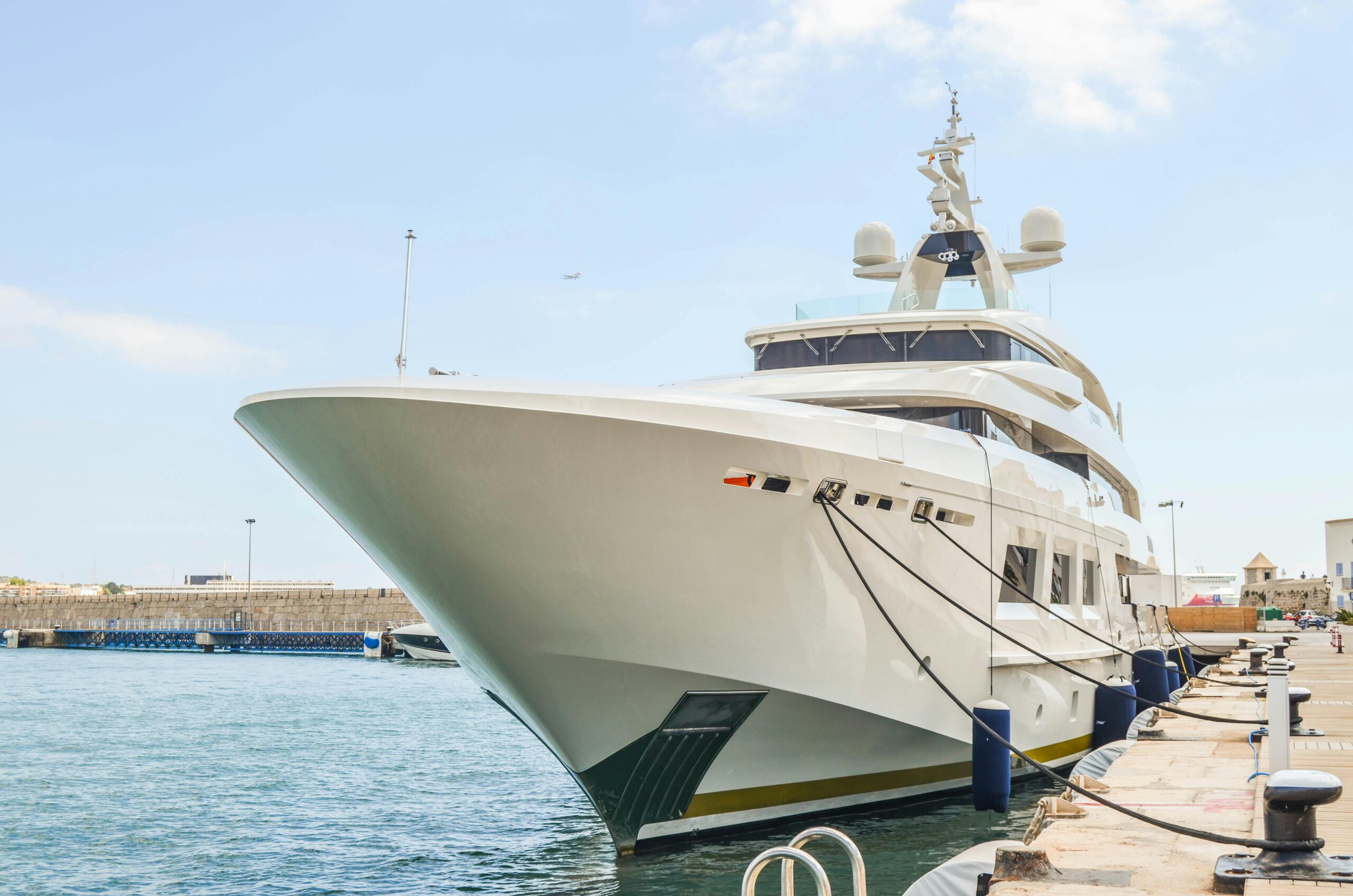
A luxury yacht exterior/interior showing technology.

Advanced Yacht Security: Mitigating High-Value Maritime Risk and Piracy

A superyacht isn’t just a vessel; it’s a mobile, high-value asset, often carrying millions in art, cash, and jewelry. **Consequently**, the field of **advanced yacht security** has evolved far beyond simple alarms. It now involves sophisticated, multi-layered maritime risk management that protects owners and their assets from piracy, political threats, and technical surveillance. The global rise in organized maritime crime and drone surveillance means comprehensive planning is non-negotiable for any UHNW owner.

The Three Domains of Modern Maritime Risk

Superyachts operate in three distinct environments, each presenting unique security challenges that demand specialized protocols. **Therefore**, owners must account for:

  1. **Port and Dockside Risk:** While moored, the yacht becomes a static target for opportunistic theft, corporate espionage, and unauthorized entry.
  2. **Coastal and Anchor Risk:** When anchored nearshore, the yacht faces threats from high-speed, low-radar-profile craft and swimmers, primarily focusing on robbery or kidnapping.
  3. **Blue Water Risk:** This domain covers trans-oceanic voyages, presenting the highest danger from organized, militarized piracy operations, particularly in high-risk areas (HRAs).

I. Technical Systems: Detection and Deterrence

Modern **advanced yacht security** relies heavily on systems that detect threats early and employ layered deterrents, minimizing the need for direct confrontation.

Integrated Detection Technology

Detection systems must fuse multiple data streams to provide a comprehensive operational picture. **Therefore**, the primary detection mandate is early warning:

System TypeFunctionRisk Mitigation Focus
**Long-Range Radar**Detects surface threats (small, fast boats) 5–10 nautical miles out.Provides crucial lead time for evasive maneuvers or hardened room lockdown.
**Acoustic Detection Sonar**Identifies underwater threats, specifically trained divers or autonomous underwater vehicles (AUVs).Prevents hull breach, sabotage, or insertion of surveillance devices.
**Electro-Optical/Infrared (EO/IR)**High-definition day/night cameras track movement and verify radar contacts.Confirms hostile intent and aids in positive target identification.

Hardening the Yacht

**Furthermore**, the yacht’s structure must include certified passive defense measures. The **Citadel (or Panic Room)** is the most critical feature. This dedicated, steel-reinforced compartment is designed to withstand sustained ballistic and explosive attack for several hours. It contains independent communication systems, life support, and emergency provisions. Owners, crew, and security personnel retreat to the Citadel during a hostile boarding, securing themselves until external professional assistance can arrive.


II. Strategic Operations: Crew and Personnel

No technology can replace a well-trained security team and crew. **Consequently**, security operations mandate extensive training and strict adherence to pre-approved standard operating procedures (SOPs).

Professional Security Personnel

Lenders and insurers often require a minimum number of contracted, maritime-trained security professionals (MTSPs) onboard when traversing HRAs. **Specifically**, these personnel are usually former military or special forces and maintain strict non-lethal defense protocols compliant with international maritime law. Their primary role is reconnaissance, surveillance, and preventing unauthorized boarding.

Logistical Compliance

The captain’s route must be filed and approved, particularly when approaching zones near current political instability. **In addition**, all communications must be highly encrypted, and the yacht’s unique Automatic Identification System (AIS) transponder signal should be set to “silent mode” when operating in high-risk areas to avoid broadcasting the vessel’s exact location to potential attackers. For regulatory guidance on maritime security levels, consult official international bodies like the International Maritime Organization (IMO), which sets global compliance standards.


III. Legal and Insurance Management

**Advanced yacht security** is as much about managing financial and legal risk as it is physical defense. **Therefore**, comprehensive insurance policies are essential.

Kidnap and Ransom (K&R) Insurance

The threat of kidnapping for ransom is high in certain areas. **Therefore**, UHNW owners carry **K&R insurance**, a specialized policy that covers the cost of crisis management, negotiation, and ransom payment (though payment is legally complicated). This policy often mandates the use of an approved, professional crisis management firm immediately upon the declaration of an incident.

Policy Coverage ComponentDescriptionFinancial Protection
**Ransom Payment**Reimbursement for the agreed-upon ransom amount.Covers the principal monetary loss.
**Crisis Management**Fees for specialist negotiators and advisory firms.Covers high-cost, time-sensitive professional services.
**Loss of Hire**Compensation for lost charter revenue if the yacht is detained or damaged.Covers business interruption for charter vessels.

Conclusion

Managing the risk profile of a modern superyacht requires sophisticated, coordinated expertise. **Ultimately**, the owner is purchasing an integrated defense system—from multi-sensor radar to ballistic-rated panic rooms and specialized K&R policies. **Finally**, this robust system of **advanced yacht security** is the required framework for protecting both the multi-million dollar asset and the lives of those onboard, transforming the yacht into a highly resilient maritime platform.


Disclaimer

This article is for informational and educational purposes only and doesn’t constitute financial, legal, or security advice. Readers should consult with a qualified professional, such as a maritime security consultant or specialized insurance broker, regarding their specific needs.

Fine Art as Loan Collateral: Legal Hurdles and Valuation Risks

Close-up of a valuable fine art painting, used as collateral for a high-value asset-backed loan.

Fine Art as Loan Collateral: Legal Hurdles and Valuation Risks

The practice of using **fine art as loan collateral** allows Ultra High-Net-Worth (UHNW) individuals to unlock the liquidity of their collections without triggering a sale or incurring capital gains tax. This form of non-recourse lending, however, carries extremely high legal, valuation, and custodial risks. Banks offering this service—often large private banks—must establish rigorous protocols to mitigate the unique volatility and subjectivity inherent in the art market.

The Three Pillars of Art-Backed Lending Risk

Art-backed lending rests on the value of the collateral, which is subject to rapid, unpredictable shifts. **Consequently**, lenders must manage three primary areas of risk:

  1. **Valuation Risk:** Unlike real estate or equities, art valuations are subjective and illiquid. **In short**, the market for a specific artist’s work can cool quickly, leaving the bank holding collateral worth significantly less than the principal.
  2. **Custodial Risk (Possession):** The borrower typically retains possession of the artwork. **Therefore**, this creates operational risks, including damage, loss, or unauthorized substitution.
  3. **Title and Legal Risk:** Establishing clear, indisputable title to an artwork is highly complex. Issues range from provenance gaps and wartime seizures to modern forgery schemes.

I. Master Protocol: Valuation and Appraisal Methodology

Lenders use a highly conservative loan-to-value (LTV) ratio. **Typically**, they set the principal at **40% to 50%** of the artwork’s low-end appraised value. This margin is essential to cushion against market downturns.

Appraisal Mandates

To minimize subjectivity, the bank mandates appraisals from at least two independent, globally recognized art advisory firms. **Specifically**, they use the **Fair Market Value** standard, which assesses what the asset would sell for in a non-distressed, arm’s-length transaction.

Valuation RequirementDescriptionRisk Mitigation Goal
**Two Independent Appraisals**Reports must be sourced from top-tier firms (e.g., Sotheby’s Financial Services, Christie’s) specializing in the specific asset class.Averages out subjective bias and limits single-firm influence.
**Forced Sale Value (FSV)**Banks calculate the lowest expected price if the art must be liquidated quickly.Determines the true downside protection for the collateral.
**Annual Re-Appraisal**The collateral must be re-appraised annually to track market performance.Triggers mandatory margin calls if the LTV ratio breaches the agreed-upon threshold.

The Margin Call Mechanism

**Furthermore**, the loan agreement includes strict margin call provisions. If the annual re-appraisal or a sudden drop in the market (verified by auction data) causes the LTV ratio to exceed, say, 60%, the borrower must immediately remit cash or post additional collateral. Failure to satisfy a margin call is the primary event that triggers foreclosure and subsequent liquidation.


II. Mitigating Title and Provenance Risk

Establishing clear title is perhaps the most difficult legal hurdle. A bank simply won’t lend against an asset if the borrower can’t prove ownership history free of encumbrances.

Required Documentation and Due Diligence

Lenders demand comprehensive due diligence documentation to protect their interest. **Consequently**, the borrower must provide:

  • Deed of Sale/Invoices: A complete chain of ownership documents from the original purchase.
  • Art Loss Register (ALR) Clearance: Mandatory verification that the artwork has not been registered as stolen or missing.
  • UCC-1 Filings (US): The bank files a **UCC-1 financing statement**. **In short**, this public notice legally establishes the bank’s security interest in the collateral, protecting them against other creditors.

The legal complexity of title is underscored by international agreements. **For instance**, restitution claims under the **Washington Principles on Nazi-Confiscated Art** mean lenders must trace provenance meticulously through World War II to ensure the piece wasn’t illegitimately seized. For further regulatory guidance, consult the official provenance requirements published by major auction houses, as they often dictate industry standards.


III. Custodial Protocols and Insurance Mandates

Since the artwork typically remains in the borrower’s possession, the bank must control the physical risk through rigorous insurance and site inspection requirements. **Therefore**, these mandates are non-negotiable.

Insurance and Condition Reports

The borrower is mandated to carry specialized, all-risk insurance coverage. **In fact**, the bank must be named as the **loss payee** on the policy, ensuring any insurance payout goes directly to satisfy the outstanding loan principal.

The table below summarizes the key custodial requirements:

Custodial ProtocolFunction
**Condition Report (CR)**An accredited conservator prepares a detailed CR before the loan is funded, establishing a baseline physical condition.
**Storage Mandates**The agreement dictates specific environmental controls (humidity, temperature) and high-security measures (vaults, alarms).
**Site Inspection Access**The borrower must provide the bank with site inspection access to verify compliance with storage and security mandates.

The Role of Field Warehousing

For highly valuable or high-risk pieces, the bank may demand **field warehousing**. **Ultimately**, this protocol requires the artwork to be stored in an independent, bonded warehouse approved by the bank. Alternatively, it might be a designated area of the borrower’s home that is legally deemed to be under the bank’s custody and control. This move shifts legal possession to the bank, minimizing custodial risk.

Conclusion

Using **fine art as loan collateral** offers clear liquidity benefits to the UHNW client. **However**, the mechanism relies on a fragile balance of subjective valuation and stringent legal controls. The bank, as the secured party, effectively underwrites the volatility of the art market. **Finally**, the intense due diligence—from verifying clear title to demanding specific insurance and custodial mandates—is simply the cost of managing a high-risk, high-reward asset class. This diligence firmly establishes the integrity of the art-backed lending market.


Disclaimer

This article is for informational and educational purposes only and doesn’t constitute financial, legal, or security advice. Readers should consult with a qualified professional, such as a private wealth manager or legal counsel, regarding their specific asset protection needs.

High-Value Jewelry Security: UHNW Risk Analysis and Vault Logistics

High-value gold jewellery, representing assets requiring UHNW risk analysis and vault security.

The Unseen Cost of Bling: Mastering **High-Value Jewelry Security** and Logistics

A multi-million dollar piece of jewelry isn’t merely an accessory for Ultra High-Net-Worth (UHNW) collectors. **Instead**, it serves as a portable, liquid asset. **Consequently**, this high liquidity makes it an extreme risk target for theft, fraud, and logistical loss. The field of **High-Value Jewelry Security** has evolved into a bespoke, multi-layered discipline. Its protocols often rival those used by central banks and national museums. **Therefore**, understanding this risk is the first step in successful luxury asset management.

The Multi-Layered Approach to Residential Security Mandates

The private residence is the primary security layer for UHNW collectors. **Thus**, security protocols must protect the site against both opportunistic and highly determined threats. Security planning utilizes a “defense-in-depth” model. **Crucially**, the failure of one layer always triggers the activation of the next.

Protocols extend from the property line to the vault:

  • **Perimeter and Access Control:** High-security estates use electronic systems. These systems integrate CCTV with advanced monitoring tools like **Thermal Imaging** and **Automatic Number Plate Recognition (ANPR)**. They detect and log all activity. Access relies strictly on **Biometric Scanners** (fingerprint, iris) and keycard systems. **Furthermore**, this prevents unauthorized entry and creates an auditable trail for all staff movements.
  • **Lockdown and Safe Rooms:** UHNW residences often include a dedicated, steel-reinforced **Safe Room** or Panic Room in the event of an attempted breach. These safe havens provide a secure sanctuary for occupants until professional assistance arrives. **Consequently**, walls, floors, and ceilings are reinforced with **steel mesh or plate**. This structure withstands power tools and focused attacks for a certified period. For other comparable security expenses, review our detailed analysis on The True Cost of Hypercar Ownership.

High-Security Vaults: Understanding UL and Eurograde Certifications

A high-security vault or safe sits at the heart of any comprehensive jewelry protection plan. Independent bodies certify these units as engineered structures. **Specifically**, they guarantee resistance to specific attack methods. The item’s insurance value directly ties itself to the storage unit’s certification level.

Key Vault Ratings and Insurance Coverage

**Therefore**, the following table summarizes the key ratings and the typical insurance valuation they support for high-value collectibles. These ratings dictate the acceptable level of **High-Value Jewelry Security** for insurers:

Certification StandardSecurity FeatureTypical Insurance Coverage (Residential)
UL-TL30x6 (American)30 Minutes of Tool Attack Resistance on all Six Sides.Up to $500,000–$600,000+
Eurograde 5–6 (European)Tested against high-power tools and explosives (varying grades).Up to £2,500,000 (Valuables Rating)

Insurers typically require a TL-30×6 unit for maximum coverage on high-value assets. **For instance**, these units often insure assets up to **$500,000 to $600,000** for residential use, and significantly more in commercial applications.

The European Eurograde System and Luxury Features

In Europe, the EN 1143-1 standard dictates the **Eurograde** rating (e.g., Grade 3 to Grade 6). These grades correlate directly to a certified cash or valuables rating. **Furthermore**, this forms a crucial metric for insurance policies. High-end luxury safes often use Eurograde 5 or 6 ratings. **Consequently**, these ratings offer insured limits for valuables well into the millions. Some units are even rated for jewelry coverage up to **£2,500,000**.

Luxury jewelry safes often incorporate bespoke features. These include suede- or leather-lined drawers, internal motion-sensor lighting, and integrated **Watch Winder Modules**. **Ultimately**, these features ensure the physical and aesthetic preservation of intricate timepieces and delicate settings.


The Critical Role of Specialized Transit Insurance

Moving a multi-million dollar collection—whether for a public appearance, a private viewing, or a repair—represents one of the greatest security challenges. **In short**, standard shipping and personal insurance policies are grossly insufficient because of low liability caps.

The Insurance Gap and Floater Policies

**To illustrate**, the table below clearly demonstrates the gap between common carrier liability and specialized UHNW insurance options:

Insurance TypeMaximum Liability CoverageCost Structure
Standard Carrier (UPS/FedEx Declared Value)Typically capped at $5,000Flat Fee per shipment
Jewelry Floater Policy (Specialized)Full Appraised Value (Often 125%)1%–2% of the item’s appraised value annually

Common carriers like FedEx or UPS cap their declared value liability at a maximum of **$5,000** for most shipments. **However**, this creates a monumental coverage gap. To bridge this gap, UHNW collectors rely on **Jewelry Floater Policies**. These specialized, all-risk endorsements provide “nail-to-nail” coverage. **In other words**, they protect the item regardless of its location (in the vault, being worn, or in transit). The premium for these floaters typically runs between **1% and 2% of the item’s appraised value annually.**

Mandated Logistics and Packaging

Insurance companies mandate stringent security protocols during transport. Failure to comply can easily void a multi-million dollar claim. **Therefore**, these protocols are non-negotiable:

  • **Secure Carriers:** Collectors must use armored couriers (Brink’s, Malca-Amit) or specialized high-value carriers. **Typically**, this involves two or more armed personnel who are legally prohibited from leaving the package unattended.
  • **Coverage Clauses:** Dedicated policies extend beyond simple theft and damage. **In fact**, they cover **”mysterious disappearance”**—a critical, specific clause for high-value items where the cause of loss may be unknown.
  • **Police Report:** The immediate filing of an official **Police Report** is a non-negotiable requirement for initiating the claims process.

Long-Term Storage and Global Logistics: The Freeport Model

Collectors utilize international free-trade zones, commonly known as **Freeports**, for items held purely as financial assets. These assets often include high-value gems or jewelry intended for future sale.

These secure warehouses, located in global hubs like Geneva, Singapore, and Luxembourg, serve a dual purpose. They provide ultra-high security and significant tax advantages. **In addition**, Freeports are renowned for having some of the most advanced security protocols on earth. These protocols include multiple biometric checkpoints, seismic detection, and 24/7 armed surveillance.

The jewelry is technically housed in a customs-free zone. **Thus**, it remains “in transit” and has not formally entered the country where the freeport is located. This status allows collectors to legally bypass substantial import duties, VAT, and sales taxes. **Ultimately**, the asset can remain stored, untouched, and untaxed as its value appreciates. For a comprehensive overview of how these zones operate, consult official trade regulatory sources like the WTO Agreement on Trade.

Conclusion

The successful management of a multi-million dollar jewelry collection requires continuous exercise in risk mitigation. The financial cost of this logistics network—encompassing six-figure insurance premiums, armored transport, and certified high-security vaults—is simply the cost of doing business in this asset class. **Finally**, every layer is designed to ensure that the exquisite value of the asset is protected from all conceivable threats. This firmly establishes robust **High-Value Jewelry Security** as the ultimate guarantor of retained wealth.


Disclaimer

This article is for informational and educational purposes only and does not constitute financial, legal, or security advice. Readers should consult with a qualified professional, such as a high-net-worth insurance broker or security consultant, regarding their specific asset protection needs.

The Art of the Tax Shelter: Why Ultra-Wealthy Collectors Treat Masterpieces Like Financial Instruments

Masterpiece art being evaluated as a financial instrument for ultra-wealthy tax shelter strategies.

The Art of the Tax Shelter: How UHNW Collectors Master **Art Tax Implications**

When a masterpiece sells for nine figures at Sotheby’s, the public sees the glamour. What they don’t see is the meticulous, often decades-long **financial planning** that surrounds that asset. For the ultra-wealthy (UHNW), buying art isn’t just a passion; it’s a strategically planned maneuver. The true value of a blue-chip artwork lies in its unique ability to navigate and mitigate a dense thicket of tax laws, making it a cornerstone of high-net-worth portfolio management. Understanding the **Art Tax Implications** is paramount.

The Depreciation Loophole: Non-Depreciable Assets and Tax Deferral

Unlike tangible assets like equipment or commercial property, art is classified by tax authorities (such as the IRS) as a **non-depreciable asset**. This might sound like a disadvantage, but it’s a brilliant feature for deferral. You can’t write off its value over time, but the **capital gain tax** is only due when you finally sell it, sometimes decades later. This allows the asset to appreciate and compound tax-free while you own it.

Savvy collectors go one step further by incorporating the art into a business structure. If the artwork can be demonstrated as being part of a functioning corporate entity—say, loaned out for a fee or hung in a managed corporate office—the costs of its upkeep, like specialized insurance and climate-controlled storage, can often be written off as legitimate **ordinary business expenses**. This requires documentation demonstrating that the collection is held with the intention of profit, rather than purely personal enjoyment, a distinction tax courts scrutinize carefully. For more on structuring luxury asset funds, see our article on Luxury Asset Investing Strategies.


Section 1031 Exchanges: Navigating the “Like-Kind” **Art Tax Implications**

The **Section 1031 Like-Kind Exchange** is one of the most powerful tools in a collector’s arsenal. While it’s famous for real estate, the rules for “tangible personal property” (which includes art) allow an investor to sell a piece of art and **defer paying the capital gains tax**, provided they reinvest the proceeds into a “like-kind” artwork within a strict 180-day window.

This transforms the art market into a **tax-deferred rolling portfolio**, allowing capital to compound without the immediate drag of taxation. However, due to recent legislative changes, the applicability to art has become a complex legal area, often restricted to exchanges involving similar assets within the same corporate holding structure. Due diligence by a tax attorney is critical to navigating the “like-kind” definition.

Taxation Comparison: Sale vs. Tax-Deferred Exchange (Simplified Model)

ScenarioProfit (Gain)Capital Gains Tax (Illustrative 28%)Capital Available for Reinvestment
Standard Sale$15,000,000$4,200,000$10,800,000
1031 Exchange (where applicable)$15,000,000$0 (Deferred)$15,000,000

Appraisals and Penalty Risk: The Rigor of Art Valuation

All art-related tax transactions—whether for a sale, exchange, or donation—hinge on the **Fair Market Value (FMV)** of the artwork. This value must be determined by a **Qualified Appraiser**, an individual with specific credentials and expertise recognized by tax authorities. An inaccurate valuation can lead to severe penalties, including potential audits and fines.

For large donations, the IRS requires a copy of the written appraisal if the claimed value exceeds $5,000. Furthermore, if a large claimed deduction is successfully challenged by the IRS, the collector can face a **gross valuation misstatement penalty**, which can be as high as 40% of the underpayment of tax. The rigorous appraisal process enforces a level of financial compliance that few other collectibles markets demand.

For official guidance on valuation penalties, consult the IRS’s official guidelines here.


Gifting for Legacy: Trusts, Foundations, and Estate Tax Reduction

Gifting art is the primary mechanism for **estate tax planning** in the UHNW sphere. By donating a major artwork to a public museum or qualified charitable foundation, the owner receives a charitable income tax deduction equal to the **full Fair Market Value** of the art. Crucially, this action simultaneously removes the asset from the owner’s **taxable estate**, significantly reducing future estate tax liability.

This maneuver is often executed through complex legal instruments:

  1. **Grantor Retained Annuity Trust (GRAT):** The owner places the art into a GRAT and receives fixed payments (an annuity) for a set term. After the term, the art passes to a trust (often for heirs), and any appreciation above the IRS hurdle rate passes tax-free.
  2. **Private Operating Foundations (POFs):** Wealthy families often use their POF to house and display their collection, removing the assets from the taxable estate while fulfilling philanthropic goals.
  3. **Fractional Gifts:** The donor can gift a percentage ownership of the artwork each year, spreading the income tax deduction over several years.

The Global Dimension: VAT, Freeports, and International Art Tax Implications

In the truly globalized art market, cross-border acquisitions are the norm, introducing complexity through **Value Added Tax (VAT)** and import duty requirements, particularly in Europe. These taxes can add 5% to 27% to the purchase price.

To mitigate this immediate tax burden, UHNW buyers utilize specialized, high-security **freeports** (tax-free storage zones) in strategic locations such as Geneva, Singapore, and Luxembourg. These zones allow the artwork to be temporarily housed without incurring any VAT or import duties, giving the owner immense flexibility to defer the duty until they decide to physically bring the piece into a taxed jurisdiction.

Conclusion

The price of art is merely the ticket to entry. Its lasting financial value for the mega-wealthy is rooted in its unique legal status. Art functions as a potent, long-term **tax-deferral asset**, a highly leveraged tool for maximizing estate transfers, and a sophisticated vehicle for philanthropy. Navigating the tax maze—from 1031 limitations and VAT deferrals to the strict requirements of qualified appraisals—requires a level of professional acuity and foresight comparable to managing a multi-billion dollar hedge fund, firmly establishing **art tax implications** as a cornerstone of UHNW portfolio management.


Disclaimer

This article is for informational and educational purposes only and does not constitute financial, legal, or tax advice. Readers should consult with a qualified tax professional or legal advisor regarding their specific investment and financial situation. All tax rates and regulations referenced are subject to change.

The Ultimate Stable Asset (Part II): Historic Stamps and Rare Coinage—The Enduring Value of Numismatic and Philatelic Portfolios

Rare coinage and historic postage stamps, demonstrating the enduring value of numismatic and philatelic portfolios.

The Ultimate Stable Asset (Part II): Historic Stamps and Rare Coinage—The Enduring Value of Numismatic and Philatelic Portfolios

For the high-net-worth individual (HNWI), portfolio diversification means looking beyond traditional financial instruments. It means investing in **tangible assets** whose value is determined not by quarterly earnings, but by history, verifiable rarity, and passionate, enduring demand.

Among the most discreet and consistently performing physical assets are **numismatics** (rare coins) and **philately** (rare stamps). These collectibles have long been held by the wealthy as a hedge against currency devaluation and stock market volatility. This analysis explores why these items are considered one of the most stable long-term holdings in the world of alternative finance.

The Performance of Provenance: Numismatic and Philatelic Indices

Investment-grade rare coins and stamps are valued due to their finite supply, authenticated historical significance, and a large, dedicated global collector base. Their performance is generally considered **uncorrelated** with traditional financial markets, making them excellent diversifiers for a sophisticated portfolio.

Historical Long-Term Growth Rates of Investment-Grade Collectibles

Leading indices that track investment-grade British coins and stamps show robust historical annualized growth rates, often exceeding the performance of major stock indices over several decades. Investors treat the verifiable rarity of these items as the core driver of value appreciation.

Asset Class Index (Historical CAGR)Approximate Annualized ReturnObservation for the Investor
Rare Coins (GB200 Index)$\approx 12.75\%$Consistently high growth, often tied to precious metal content and certified grade.
Rare Stamps (GB250 Index)$\approx 11.43\%$Stability driven by scarcity and large, global collector base, especially in emerging markets.

Note: Compound Annual Growth Rate (CAGR) figures are based on specific market indices and serve only to illustrate historical performance. They do not guarantee future returns.

The Due Diligence: Rarity, Condition, and Certified Authentication

For the serious investor, the crucial entry barrier is **expertise**. Unlike buying traditional securities, the value of a stamp or coin is highly dependent on its **Condition** and proven **Authenticity**. The key to unlocking investment value lies in the following three non-negotiable factors:

  • Rarity (Scarcity): The fewer copies that were produced and have survived in collectible condition, the higher the baseline value. Historical mistakes (errors in printing or striking) often create the highest-value rarities.
  • Condition (Grade): For coins, this is the numeric grade (e.g., MS-70 is flawless Mint State). For stamps, it includes centering, color fidelity, and absence of damage. The difference between a slightly degraded piece and a near-perfect specimen can equate to millions in valuation.
  • Authentication and Pedigree: Investment-grade assets must be certified by professional third-party grading services (e.g., PCGS or NGC for coins; major expert committees for stamps). The item is often sealed in a protective, tamper-proof holder (a “slab”), which validates its grade and authenticity and links it to a clear chain of ownership.

The Highest Valuations: Lessons from Auction Records

The price ceiling for these tangible assets is set by items with unique historical narratives and unparalleled scarcity. These world-record sales underscore the potential for capital appreciation.

  • The 1933 Double Eagle Coin: Famously the most valuable U.S. rarity, this gold coin was never officially issued for circulation. The last legal example sold for \$18.9 million, illustrating that unique historical circumstance drives the highest numismatic values.
  • The British Guiana 1-Cent Magenta Stamp (1856): Only one authenticated copy exists, making it the rarest stamp in the world. It realized **\$9.48 million** at auction in 2014, with subsequent sales remaining firmly in the multi-million dollar range.

Important Considerations for the Investor

While a powerful hedge, numismatic and philatelic investment requires a long-term perspective and an acceptance of certain market characteristics:

  • Illiquidity: Collectibles are far less liquid than stocks or bonds. Selling can take months or years, and the transaction costs (auction house fees, dealer markups) can be substantial.
  • Unregulated Market: This sector is largely **unregulated** compared to financial securities. Investors must rely on the reputation and expertise of certified dealers, auction houses, and grading services. Due to this complexity, professional advice is essential to avoid potential fraud or misrepresentation.

In conclusion, rare coins and stamps offer the wealthy collector a powerful combination of **historical integrity, stable capital preservation, and inherent scarcity**. As tangible stores of value, they are an essential component for any sophisticated portfolio seeking deep diversification outside of conventional markets.

The Ultimate Celebrity Garages: The True Cost of Hypercar Ownership and the Hidden Wealth

A collection of hypercars parked in an ultimate celebrity garage, reflecting the true cost of ownership and hidden wealth.

The Ultimate Celebrity Garages: The True Cost of Hypercar Ownership and the Hidden Wealth

For the world’s elite, a car is not just transportation—it’s a statement, an investment, and a mechanical work of art. Celebrities, athletes, and moguls often acquire some of the rarest, most powerful, and most expensive vehicles ever produced. However, these multi-million dollar machines conceal a secret: astronomical maintenance and operational costs that make the initial purchase price look like a mere down payment.

This deep dive goes beyond the showroom sticker price to analyze the most jaw-dropping celebrity cars. Furthermore, we assess the value of their spectacular collections and expose the staggering, often secret, expense of keeping a hypercar on the road.


5 of the Most Expensive Celebrity-Owned Cars

Owning a one-of-a-kind car—often a classic racer or a bespoke model—immediately places these celebrities in an exclusive club. In short, the vehicles’ value directly reflects their rarity, heritage, and the complex bespoke customization involved. Therefore, these assets command top dollar.

Car ModelEstimated ValueNotable Owner(s)Key Feature
Ferrari 250 GTO$55.8 MillionRalph Lauren, Nick MasonOne of only 36 built; the pinnacle of classic race car appreciation.
Bugatti Type 57SC Atlantic$40 MillionRalph LaurenA rare pre-war masterpiece; only three originals exist globally.
Rolls-Royce Boat Tail$28 MillionJay-Z & BeyoncéA bespoke coachbuilt grand tourer featuring a dining deck and luxury parasol.
McLaren F1$20 MillionRalph Lauren, Rowan Atkinson, Elon MuskA legendary supercar known for its central driving position and naturally aspirated V12.
Maybach Exelero$8 MillionJay-ZA one-off high-performance concept car commissioned by Fulda Tires.
Source: Based on reported private sales, auction records, and specific model valuations.

The Value of Elite Celebrity Car Collections

Beyond single vehicles, many celebrities amass garages valued like museums. They treat their collections as both a passion project and a serious asset that often appreciates faster than traditional investments. Specifically, these collections offer diversification.

  • Sultan Hassanal Bolkiah of Brunei: His staggering collection is estimated to be worth over $5 billion, comprising approximately 7,000 cars. This places it as perhaps the most valuable private garage on Earth.
  • Ralph Lauren: The fashion mogul’s exquisite collection of around 70 rare cars is valued at over $300 million. Crucially, his focus on automotive art has resulted in many cars winning prestigious class awards.
  • Nick Mason (Pink Floyd Drummer): His collection, valued around **$200 million**, is known for historically significant race cars, including his legendary 1962 Ferrari 250 GTO. **In fact,** its value continues to climb rapidly.
  • Jay Leno: The renowned comedian owns over **180 cars and 150 motorcycles**. His estimated collection value is **$100 million**. **Furthermore,** his meticulous maintenance of historical vehicles gives him rare authority in the collector market.
  • Lewis Hamilton: The Formula 1 champion’s collection mixes modern hypercars and rare classics. It is estimated at over **$30 million**. **For instance,** it features unique vehicles like a one-off Pagani Zonda 760 LH, demonstrating the trend of top athletes investing in customized, ultra-exclusive assets.

The Secret Price of Performance: Hypercar Maintenance Costs

While the purchase price is public knowledge, the maintenance costs are a continuous financial drain known only to the owners. **Consequently,** bespoke engineering, proprietary parts, and highly specialized labor mean even routine service can eclipse the price of a new luxury sedan. This section details the multi-year cycles of non-negotiable ownership costs. **Indeed,** these costs are integral to the asset’s preservation.

Bugatti Veyron/Chiron: The Six-Figure Service Bill

Bugatti engineers hypercars to withstand extreme speed and pressure. This makes their service schedules proprietary and incredibly expensive. **Therefore,** owners face daunting annual costs.

  • Annual Fluid Change: A mandatory yearly service for a Bugatti Veyron can cost between **$25,000 and $30,000**. **Specifically,** this involves draining 16 separate fluid plugs and often requires the removal of the rear axle for access—a process demanding over 24 hours of specialized labor.
  • Tires: A set of specialized Michelin Pilot Sport PAX tires for the original Veyron **costs up to $30,000**. **Moreover,** due to the high-speed certification, owners must replace the tires every 2-3 years, regardless of tread wear.
  • Wheels: The original Veyron wheels **require replacement** after the third set of tires (about 10,000 miles or 6 years) due to stress certification. This cost can **exceed $120,000** for the set. **In addition,** new wheels must be sourced from the factory.
  • Major Components: Replacing a single item like a Bugatti Chiron windshield costs an estimated **$60,000**. **Similarly,** a replacement carbon-ceramic brake rotor costs approximately **$20,000 each**. **Naturally,** these replacements add to the annual budget.
  • Total Annual Cost: Prominent collector Manny Khoshbin estimates he **spends over $100,000 per year** on maintenance alone for his three Bugattis. This highlights the non-negotiable nature of this financial commitment.

Koenigsegg and Pagani: Exotic Materials and Labor

Manufacturers like Koenigsegg and Pagani rely heavily on bespoke carbon fiber and highly tuned engines. This reliance mandates complex and costly upkeep. **Therefore,** owners must budget significantly for specialized labor.

  • Routine Service (Pagani Huayra): A regular annual service often costs around **$12,000**. **However,** a major service that involves removing the engine and transmission can easily run into the six figures, depending on required parts. **For this reason,** the long-term cost modeling is essential.
  • Carbon Fiber Repairs: **Because** these cars utilize unique carbon-fiber weaves, typical body shops cannot repair even minor body panel damage. The cost to replace a single panel on a Koenigsegg can exceed **$50,000**, requiring specialized factory intervention. **Ultimately,** this process prevents unauthorized repair attempts.

The Hidden Costs of Ownership: Insurance, Storage, and Fuel

The financial drain extends far beyond the mechanic’s shop. These “hidden costs” are necessary investments to protect the asset and comply with regulations. **Furthermore,** these expenses are often overlooked by casual observers. **Specifically,** they include non-driving related fees.

Insurance and Security

Insuring a multi-million dollar vehicle is a bespoke process. It requires a specialized high-net-worth broker. **Therefore,** annual premiums are substantial.

  • Annual Premium: The annual insurance premium for a car valued over $5 million can range from **$50,000 to $250,000**. This depends on the owner’s driving record, security measures, and mileage limits.
  • Security Requirements: Policies often **mandate** secure storage. The car must be stored in a climate-controlled facility with specific alarm systems. **Consequently,** this dedicated storage often **costs several thousand dollars per month** to maintain optimal temperature and humidity. **In fact,** climate control is necessary for preserving delicate materials.

Fuel and Fluids

These high-performance machines demand not only premium fuel but also specialized, track-grade fluids. **In effect,** every fluid change costs significantly more than a standard vehicle.

  • Fuel Consumption: A car like the Bugatti Veyron achieves **single-digit miles per gallon (MPG)** under normal driving and can empty its tank in under 15 minutes at top speed. **Clearly,** the cost of just driving the car for pleasure is substantial.
  • Specialized Coolants and Oils: The sheer output of these engines **requires** synthetic oils and high-performance coolants that are far more expensive than standard products. This significantly adds to every fluid change cost. **Furthermore,** owners must use specific proprietary blends.

Investment vs. Depreciation: The Hypercar as an Asset

While a typical luxury sedan depreciates the moment it leaves the lot, certain hypercars and classic models **are managed** as appreciating assets. The market divides these cars into two clear categories: **Modern Depreciators** and **Appreciating Assets.** **Thus,** not all hypercars are created equal in value.

  • Modern Depreciators (Most New Hypercars): The initial owner of a new Ferrari, McLaren, or Lamborghini often absorbs the biggest hit in depreciation (up to **30% in the first three years**).
  • Appreciating Assets (Classics and Limited Editions): **By contrast,** cars with true rarity and historical racing provenance, such as the Ferrari 250 GTO, consistently climb in value. **Moreover,** modern, ultra-limited models (like the Mercedes-AMG ONE) that sell out instantly often appreciate immediately. This turns the initial purchase into a massive investment gain.

Celebrities like Ralph Lauren and Nick Mason manage their rare classics as a financial portfolio. The purchase price and maintenance costs are simply the overhead for holding a rapidly appreciating asset class. **In essence,** this strategy treats the car as a constantly appreciating financial instrument.


Conclusion

The price tag on a celebrity hypercar is merely the ticket to entry for an elite financial club. The annual dues are counted in the hundreds of thousands of dollars. **Ultimately,** these costs underscore a lifestyle far removed from the average consumer, from the meticulous, six-figure services on a Bugatti to the annual insurance premiums and specialized storage. For the mega-rich, the expense is a constant, ongoing demonstration of wealth. It ensures these engineering marvels remain pristine and performance-ready, either for the occasional drive or as a powerful, appreciating financial asset. **Therefore,** the high cost is truly part of the exclusivity.**

The Ultimate Investment Safe Haven: Rare Books and Manuscripts—How to Build a Portfolio of Knowledge That Rivals Fine Art

A collection of rare books and manuscripts, demonstrating how a portfolio of knowledge can serve as an ultimate investment safe haven.

The Ultimate Investment Safe Haven: Rare Books and Manuscripts—How to Build a Portfolio of Knowledge That Rivals Fine Art

In the quiet, rarefied chambers of the world’s great auction houses, a distinct asset class is consistently proving its resilience against market turbulence: **rare books and manuscripts**. For the discreet elite—the financial titans, tech innovators, and celebrated minds who define the **CelebJetSet.com** demographic—these literary treasures are not just cultural artifacts; they are investment safe havens, offering a unique blend of intellectual status, historical significance, and reliable capital appreciation.

This comprehensive financial analysis delves into the intricate economics of the antiquarian book market. We will explore the critical factors—from the ‘First Edition, First Issue’ rule to the power of a manuscript’s provenance—that determine multi-million dollar valuations. Discover why acquiring the personal letters of a scientific genius or a first folio of Shakespeare is now viewed as a strategic, long-term move in wealth preservation, often outperforming both traditional equities and volatile commodities. This guide outlines how to build a portfolio of knowledge that is as financially robust as it is culturally profound.

The Antiquarian Investment Thesis: Scarcity and Intellectual Power

The financial value of rare books and manuscripts is driven by scarcity, condition, and the undeniable power of literary or historical importance. This combination creates an asset with inelastic demand among a wealthy, global collector base.

1. The “First Edition, First Issue” Rule

For printed books, the highest value is always reserved for the **First Edition, First Issue**. This is the initial printed run before any changes or corrections were made. For example, a true first edition of *The Great Gatsby* or a first collected edition of Shakespeare’s plays represents the pinnacle of collecting, commanding exponential premiums over subsequent printings.

2. Provenance and Association Copies

The most dramatic price spikes occur with **association copies**—books personally owned, annotated, or inscribed by the author or a historically significant figure. A copy of *A Brief History of Time* signed by Stephen Hawking or a book from the library of Jacqueline Kennedy Onassis sells at a massive premium, as the provenance links the object directly to cultural history.

3. Manuscripts: Irreplaceable Uniqueness

Manuscripts (handwritten letters, notes, drafts) are inherently unique. The original draft of a poem by Edgar Allan Poe or a working notebook of Leonardo da Vinci cannot be replicated. This singular, irreplaceable nature makes them the ultimate asset for appreciation, often achieving auction results in the tens of millions.

4. Condition is Everything: The Dust Jacket Premium

Unlike art, where minor wear may be expected, the condition of a book is paramount. A near-mint book that retains its original, perfect **dust jacket** can be worth ten times more than an identical copy without one. The dust jacket is often the most fragile part of the asset, making its preservation a critical factor in investment value.

Financial Performance: Stability and Historical Returns

Rare books and manuscripts exhibit a strong history of appreciation, often moving independently of mainstream financial cycles, providing true portfolio diversification.

Asset ClassCompound Annual Growth Rate (CAGR)Correlation to S&P 500Holding Period RequirementKey Advantage for Investor
**Rare Books & Manuscripts (Top Tier)****+10.5%****0.12** (Very Low)**7 to 15 Years**Tangible, Cultural, Stable Appreciation
S&P 500 Index (Equities)+9.9%1.00 (Benchmark)N/A (Highly Liquid)High Liquidity and Transparency
Gold Bullion+6.2%-0.05 (Negative)N/AUltimate Inflation and Fiat Hedge
Contemporary Art (Top Tier)+12.5%0.15 (Very Low)8 to 15 YearsHighest Non-Correlated Returns

Source: Based on data from major auction houses (Sotheby’s, Christie’s) and specialized rare book indices. Returns exclude transaction costs.

5. Consistent Double-Digit Growth

As the table indicates, top-tier rare literary assets have historically delivered a CAGR that is competitive with, and often exceeds, the returns of the broader equity market. This makes them a serious contributor to long-term wealth accumulation.

6. Non-Correlation to Financial Shocks

The demand for a rare 17th-century text is not affected by interest rate hikes or a bank collapse. This independence is represented by the low correlation (0.12) to the S&P 500, positioning these assets as a crucial shield against macro-economic volatility.

7. Market Depth and Global Demand

The rare book market is truly global, with consistent demand from wealthy buyers across North America, Europe, and Asia. This market depth ensures that when a truly exceptional piece comes to auction, competitive international bidding drives prices to new record highs, confirming the asset’s enduring value.

The Collector’s Playbook: Acquisition, Risks, and Status

Building a high-value literary portfolio requires specialized knowledge, expert advice, and an understanding of the market’s unique challenges.

8. Acquisition via Reputable Dealers and Auction Houses

New investors should engage with long-established, highly reputable rare book dealers or purchase directly through major auction houses. These professionals provide the necessary expertise for valuation, condition assessment, and most critically, verifying provenance.

9. The Risk of Forgery and Authentication

Like art and wine, the market for manuscripts and rare signed editions is susceptible to forgery. Authentication requires highly specialized knowledge of paper, ink, handwriting, and printing techniques from the period. Professional authentication is a non-negotiable step for any major acquisition.

10. Storage and Preservation Costs

Paper is fragile and susceptible to damage from light, humidity, and insects. Investment-grade items must be stored in climate-controlled, secure, and acid-free environments. This ongoing cost, coupled with necessary insurance premiums, is an essential overhead expense to maintain the asset’s value.

11. Illiquidity and the Patient Investor

Rare books are highly illiquid. Selling a high-value piece may take six months to a year, involving consignment, cataloging, and a dedicated auction cycle. This necessitates a long-term investment horizon (7+ years) where appreciation can comfortably exceed the high transaction costs.

12. The Power of Personal Legacy

Beyond the financial return, owning a rare manuscript is the ultimate intellectual status symbol. Unlike a bond, it is a tangible piece of history. Many tech moguls and billionaires are now competing to collect the foundational texts of their fields (e.g., first printings of Isaac Newton’s *Principia* or Darwin’s *On the Origin of Species*), cementing their own legacy by preserving the history of human knowledge.

13. Fractional Ownership and Digital Access

The market is seeing early innovation in **fractional ownership**, primarily through platforms tokenizing the value of large, multi-million dollar literary collections. This allows a broader set of sophisticated investors to gain financial exposure to assets that were previously unattainable.

14. Tax Advantages and Charitable Giving

For U.S. investors, donating high-value manuscripts or books to a recognized non-profit institution or university archive often provides a significant **tax deduction** based on the appraised fair market value of the item. This makes charitable giving a powerful exit strategy for these assets.

15. Transaction Overheads: Auction Fees

The high transaction costs of this market must be understood. Auction houses charge both a **Buyer’s Premium** (paid by the buyer, often 20-25% of the hammer price) and a **Seller’s Commission**. This high fee structure means a substantial appreciation rate is required just to break even on a short-term trade.

Conclusion: Investing in Enduring Knowledge

Rare books and manuscripts have proven to be an exceptional investment safe haven, offering the ultra-wealthy a sophisticated path to capital appreciation that is intellectually rewarding and fiercely independent of global financial turbulence.

For the informed investor on **CelebJetSet.com**, building a portfolio of knowledge requires patience, expert consultation, and a deep respect for historical preservation. The value is not merely in the paper and ink, but in the story and the scarcity, making these literary assets an enduring cornerstone of generational wealth and cultural legacy.

Disclaimer: This article provides general financial market commentary and is not investment or tax advice. Consult a licensed financial professional.

The Ultimate Status Ride: Yacht Tenders and Shadow Vessels—The Multi-Million Dollar Support Fleet Behind Every Superyacht

A shadow vessel at sea, the ultimate status ride and support fleet for a private superyacht.

The Ultimate Status Ride: Yacht Tenders and Shadow Vessels—The Multi-Million Dollar Support Fleet Behind Every Superyacht

For the globe-trotting elite who grace the pages of **CelebJetSet.com**, the superyacht is the ultimate expression of freedom on the seas. Yet, the true measure of their aquatic empire often lies not just in the main vessel, but in the sophisticated support fleet that accompanies it: **yacht tenders and dedicated shadow vessels**. These are not mere dinghies; they are multi-million dollar, custom-built extensions of the superyacht itself, designed to deliver unparalleled adventure, privacy, and logistical prowess.

This comprehensive guide delves into the strategic and financial calculus behind these essential support ships. We will explore the diverse types of tenders, from high-speed chase boats to luxurious limousine tenders, and analyze the operational necessity and burgeoning market for purpose-built shadow vessels. For billionaires, royalty, and A-list celebrities, this guide reveals why a robust support fleet is not just a luxury—it’s an indispensable component of the ultimate yachting experience, silently inflating the true cost of their floating palaces.

Beyond the Main Deck: The Indispensable Role of Yacht Tenders

A yacht tender is far more than a simple shuttle; it’s a versatile tool that extends the functionality and luxury of the main superyacht, enabling a multitude of activities and discreet transfers.

1. The Discreet Transfer: Limousine Tenders

For discerning owners and their high-profile guests, a **limousine tender** offers a paramount level of privacy and comfort. These enclosed, air-conditioned vessels feature plush seating, entertainment systems, and often soundproofing, ensuring VIPs can transfer from yacht to shore, or from airport to yacht, discreetly and in style, entirely shielded from view and weather.

2. The Thrill-Seeker’s Fleet: High-Speed and Adventure Tenders

Modern superyachts are floating adventure hubs, and tenders facilitate this. High-speed chase boats (often over 50 knots) for watersports (wakeboarding, waterskiing), diving support vessels, and specialized tenders for fishing or exploring remote coves are common. These extend the yacht’s capabilities far beyond its immediate anchorage.

3. Practical Logistics and Crew Support

Beyond luxury, tenders handle vital logistics. They transport crew, provisions, luggage, and trash, often performing duties that would otherwise disrupt the main yacht’s pristine aesthetic or interfere with guest activities. These workhorse tenders are crucial for efficient operation.

The Shadow’s Edge: The Rise of Purpose-Built Support Vessels

For the largest superyachts and most demanding owners, a single tender is insufficient. This led to the creation of **shadow vessels**—dedicated support ships designed to carry the toys, crew, and specialized equipment that the main yacht cannot or should not accommodate.

Vessel TypeAvg. Acquisition Cost (USD)Annual Operating Costs (USD)Primary FunctionKey Benefit for Owner
**Luxury Limousine Tender (10-15m)**$1.5M – $5M$150,000 – $500,000Discreet Guest/VIP Transfers, Shore ExcursionsPrivacy, Comfort, Style
High-Speed Chase Tender (10-20m)$1M – $4M$100,000 – $400,000Watersports, Fishing, ExpeditionsAdventure, Fast Mobility, Fun
Utility/RIB Tender (5-10m)$100,000 – $500,000$20,000 – $100,000Logistics, Crew Transport, General SupportPracticality, Efficiency
**Dedicated Shadow Vessel (40-80m+)****$20M – $150M+****$2M – $10M+**Carrying Toys, Helicopters, Extra Crew, Supplies, SecurityUnrestricted Main Yacht Deck Space, Enhanced Expedition Capability, Security

Source: Superyacht industry reports, brokerage data. Costs vary significantly based on customization, size, and crew requirements.

4. Expanded Toy Garages and Helicopter Decks

The largest superyachts often lack sufficient space for an entire arsenal of toys: multiple tenders, submarines, jet skis, sailing dinghies, and even personal helicopters. A shadow vessel provides dedicated, cavernous storage and often a fully certified helipad, freeing up the main yacht’s valuable deck space for guest amenities.

5. Enhanced Privacy and Security Operations

For high-profile owners, security is paramount. A shadow vessel can house additional security personnel, surveillance equipment, and even serve as a base for anti-piracy measures, keeping these critical, but visually intrusive, elements separate from the main yacht where guests seek relaxation.

6. Crew Accommodation and Extended Range

Many shadow vessels are designed to carry extra crew (expedition leaders, specialized technicians, additional security teams) and store vast amounts of provisions and fuel, significantly extending the range and self-sufficiency of the entire fleet, enabling truly global voyages to remote destinations.

The Multi-Million Dollar Calculus: Costs and ROI

Investing in a support fleet is a multi-million dollar decision, with operational costs that can rival the acquisition price over several years. This requires meticulous financial planning.

7. Acquisition vs. Operational Costs

As the table highlights, while the acquisition cost of a shadow vessel can be immense ($20M to $150M+), the annual operating costs (crew, fuel, maintenance, dockage) for the entire fleet can easily reach **$5 million to $15 million annually**. This emphasizes that a support fleet is a sustained, significant financial commitment.

8. Bespoke Customization and Unique Features

Each tender and shadow vessel is often highly customized to the owner’s specific needs and aesthetic. From integrated diving centers and research labs to fully equipped gyms and medical facilities, these bespoke features add millions to the price tag but cater precisely to the owner’s passions and requirements.

9. Resale Value and Market Demand

While a depreciating asset, a well-maintained, high-quality tender or shadow vessel from a reputable builder holds its value reasonably well. There’s a strong secondary market for these vessels, especially as more superyachts enter service globally, increasing demand for capable support fleets.

10. Insurance Premiums and Risk Management

Insuring a multi-vessel fleet is complex and costly. Premiums depend on the value of each vessel, cruising regions, crew experience, and security measures. Comprehensive hull and machinery, P&I (Protection & Indemnity), and crew liability insurance are essential, representing a significant annual outlay.

The Celeb Effect: How Support Fleets Enable the Ultimate Lifestyle

For celebrities and high-net-worth individuals, the support fleet allows for a level of discretion and experience that is simply impossible with just a main yacht.

11. Uninterrupted Main Yacht Experience

By offloading all noisy, messy, or space-consuming activities (like launching large jet skis, storing diving equipment, or preparing fishing gear) to a shadow vessel, the main superyacht remains a sanctuary of peace, luxury, and unhindered deck space. This is critical for A-list guests seeking pure relaxation.

12. The Freedom to Explore Remote Destinations

With extra fuel, provisions, and specialized equipment stored on the shadow vessel, the entire fleet can undertake extended, self-sufficient expeditions to remote, unspoiled locations. This opens up unparalleled adventurous itineraries for owners who desire exploration over typical Mediterranean or Caribbean cruising.

13. Discrete Departures and Arrivals

A shadow vessel can arrive ahead of the main yacht, delivering cars, helicopters, or luggage to a port. Conversely, it can allow an owner to depart discreetly from a remote anchorage, avoiding prying eyes and maintaining privacy, a key concern for public figures.

14. A Platform for Philanthropy and Research

Many ultra-wealthy individuals use their support vessels for scientific research, marine conservation, or philanthropic missions. Equipped with specialized labs, submersibles, or survey equipment, these vessels can contribute to meaningful causes while providing a unique experience for the owner.

15. The Eco-Conscious Fleet

Increasingly, new tenders and shadow vessels are being designed with advanced eco-friendly propulsion systems (hybrid, electric) and waste management technologies. This allows owners to reduce their environmental footprint and align their superyacht operations with sustainable practices, a growing concern for many high-profile figures.

Conclusion: The Unseen Power of the Superyacht Ecosystem

The multi-million dollar ecosystem of yacht tenders and shadow vessels is far more than an extravagant indulgence; it is a meticulously planned strategic investment that unlocks the full potential of superyacht ownership. For the discerning elite on **CelebJetSet.com**, these support ships are the unsung heroes, delivering unparalleled adventure, absolute privacy, and seamless logistics across the world’s most pristine waters.

Understanding this intricate fleet reveals that true luxury isn’t just about the superyacht itself, but the entire, self-sufficient, and often unseen support system that empowers a life without limits—a testament to the ultimate pursuit of freedom on the ocean.

Disclaimer: This article provides general luxury marine market commentary and is not financial or investment advice. Consult licensed marine professionals.

The Digital Frontier: Why NFTs and Tokenized Assets Are the Newest $10 Million Status Symbols for Athletes and Moguls

Digital display of a tokenized asset, illustrating the investment shift towards NFTs in the financial frontier.

The Digital Frontier: Why NFTs and Tokenized Assets Are the Newest $10 Million Status Symbols for Athletes and Moguls

In the rapid evolution of wealth, the ultimate status symbols are no longer confined to the physical world. For the tech-savvy billionaires, mogul investors, and global athletes who define the clientele of **CelebJetSet.com**, **Non-Fungible Tokens (NFTs)** and **tokenized real-world assets** have emerged as the fastest-growing and most volatile tier of the alternative investment portfolio. These digital deeds of ownership represent not only speculative investment but the ultimate expression of exclusivity and digital social capital.

This deep dive analyzes the mechanics of digital scarcity, detailing how crypto-native projects like Bored Ape Yacht Club (BAYC) and Punks transformed into multi-million dollar blue-chip assets. We will explore the critical difference between speculative NFTs and the future of **Real-World Asset (RWA) tokenization**, examining why athletes like Tom Brady and moguls like Mark Cuban are publicly embracing this volatile frontier. This guide outlines the high-risk, high-reward strategy of owning the digital future.

The Crypto-Native Phenomenon: NFTs as Digital Status Symbols

The rise of high-value NFTs is driven by a fusion of technological scarcity and cultural exclusivity. They are a display of wealth accessible only to the digitally fluent elite, providing social validation that transcends physical barriers.

1. Proven Scarcity and Digital Provenance

NFTs solve the problem of digital authenticity. By utilizing blockchain technology, the ownership and entire history (**provenance**) of a digital item—whether a JPEG, video, or smart contract—is immutable and verifiable. This cryptographic scarcity is what transforms a simple digital image into a unique, collectible, and tradable asset.

2. The Blue-Chip Collections (Punks and Apes)

The highest investment value lies in “blue-chip” NFT collections, such as **CryptoPunks** and **Bored Ape Yacht Club (BAYC)**. These collections were among the earliest, establishing foundational brand recognition. Their floor prices (the lowest price for an item in the collection) are watched like stock tickers, with rare traits commanding multi-million dollar valuations and serving as the ultimate digital flex.

3. Utility, Licensing, and Intellectual Property (IP)

NFTs go beyond collecting; they often grant the owner full **commercial usage rights** and membership in exclusive clubs. BAYC, for example, allows holders to use their Ape image IP to create products, restaurants, or brands. This utility transforms the NFT from a simple collectible into a tradable piece of commercial intellectual property.

4. The Celebrity and Athlete Endorsement Factor

The market is heavily fueled by high-profile adoption. When athletes (like Steph Curry and Shaquille O’Neal) or celebrities (like Snoop Dogg and Paris Hilton) buy and publicly use a blue-chip NFT as their social media profile picture, it provides massive validation and visibility to the entire market, accelerating the asset’s status as a digital symbol of wealth.

The Investment Math: Tokenization of Real-World Assets (RWA)

While speculative art-based NFTs draw the headlines, the most significant long-term financial shift lies in the **tokenization of Real-World Assets (RWA)**—using the blockchain to represent ownership of physical assets.

Asset ClassCompound Annual Growth Rate (CAGR)Volatility (Standard Deviation)LiquidityKey Risk Profile
**Blue-Chip NFTs (Index Avg.)****+35% (Highly Volatile)****120%** (Extreme)High (Instant Market)Market Sentiment, Regulatory Ambiguity
RWA Tokenization (Private Equity)+10% to +18% (Estimated)20% (Low/Moderate)Growing (Platform Dependent)Smart Contract Failure, Legal Title Risk
S&P 500 Index (Equities)+10.5%15.5% (Moderate)HighestEconomic Downturn, Inflation
Gold Bullion+6.2%11.0% (Low)HighCommodity Price Fluctuation

Source: NFT Price Index tracking, S&P Global, and market estimates for tokenized assets. Note: NFT returns are highly sensitive to market cycle and sentiment.

5. Fractionalizing High-Value Assets

RWA tokenization makes illiquid assets accessible. A $50 million piece of commercial real estate or a rare piece of art (like a Picasso) can be digitized and fractionalized into thousands of tokens. This allows numerous investors to own a small, liquid share, lowering the entry barrier for high-net-worth individuals to diversify into assets previously reserved for institutional funds.

6. Enhanced Liquidity and Global Access

Tokenization solves the primary problem of illiquid assets. Instead of waiting months to sell a stake in a private equity fund or a piece of property, a tokenized share can be traded 24/7 on a blockchain, dramatically increasing liquidity and providing immediate, global market access.

7. Transparency and Automation via Smart Contracts

RWA tokenization uses **smart contracts** to automate governance, dividend payouts, and regulatory compliance. This transparency reduces overhead costs and eliminates the need for numerous intermediaries (lawyers, title agents, escrow services), streamlining high-value transactions.

The High-Risk, High-Reward Portfolio Strategy

Investing in the digital frontier demands a high-risk tolerance and a clear understanding of the unique market dynamics and regulatory landscape.

8. Extreme Volatility and the J-Curve Effect

As the table highlights, the volatility of the blue-chip NFT market is extreme. While initial returns can be massive (the **J-Curve** of rapid growth), prices are highly dependent on market sentiment, which can lead to swift, catastrophic drops. Investors must prepare for multi-million dollar swings in value.

9. Regulatory Risk and Compliance

The regulatory status of digital assets remains ambiguous in many major economies. A sudden classification of certain tokens as “securities” could drastically impact their trading status and liquidity. Compliance with emerging global regulations is the single largest risk factor for the future of this asset class.

10. The Smart Contract Failure Risk

RWA tokenization relies entirely on the underlying code (**smart contracts**). Errors, bugs, or exploits in this code could lead to asset freezing, theft, or disputes over ownership, representing a potential loss of capital that is difficult to recover.

11. NFT-Backed Loans and Digital Leverage

The ultra-wealthy are using their digital assets as collateral. Sophisticated protocols allow owners to take out loans (e.g., in stablecoins) against the value of their high-end NFTs, effectively using their digital collectibles to gain liquidity without selling the underlying asset—a high-leverage move.

12. The Cost of Gas and Transaction Fees

For high-frequency traders of digital assets, transaction fees (**gas fees**) on certain blockchains can be substantial, particularly during periods of high network congestion. This constant overhead cost must be factored into any expected return.

13. The Wallet Security Risk

Unlike a bank account, a digital wallet is entirely the owner’s responsibility. The loss of a private key or a security breach can lead to the instantaneous, irreversible theft of all digital assets—a risk that demands extreme security protocols often involving specialized digital security firms.

14. The Metaverse and Digital Land Speculation

Many moguls and brands are investing heavily in **digital land (Metaverse plots)** within platforms like Decentraland and The Sandbox. This is pure speculative real estate, betting on the future popularity of a specific virtual world, making it a highly volatile, but potentially massive, long-term play.

15. Digital Culture and Trend Cycles

The value of NFTs is heavily dependent on current digital culture and trends. Collections that dominate one year may be irrelevant the next. This requires active, continuous monitoring of digital cultural relevance, a sharp contrast to the slow, steady value drivers of physical assets like gold or art.

Conclusion: The Future of Exclusivity and Finance

The rise of NFTs and tokenized assets marks a fundamental shift in how the ultra-wealthy store, display, and transfer value. Crypto-native collections provide the ultimate digital status symbol, while RWA tokenization is transforming global finance by democratizing access and liquidity for traditionally illiquid assets.

For the elite readers of **CelebJetSet.com**, this digital frontier offers both exponential returns and extreme volatility. It is a necessary domain of exploration, demanding not only capital but deep technical fluency and a high-risk appetite. Owning the digital future is the newest strategic challenge in the playbook of global wealth.

Disclaimer: This article provides general market commentary on digital assets and is not financial, investment, or tax advice. Consult a licensed financial professional before trading or investing.