
The Ultimate Investment Safe Haven: Rare Books and Manuscripts—How to Build a Portfolio of Knowledge That Rivals Fine Art

A collection of rare books and manuscripts, demonstrating how a portfolio of knowledge can serve as an ultimate investment safe haven.

The Ultimate Investment Safe Haven: Rare Books and Manuscripts—How to Build a Portfolio of Knowledge That Rivals Fine Art

In the quiet, rarefied chambers of the world’s great auction houses, a distinct asset class is consistently proving its resilience against market turbulence: **rare books and manuscripts**. For the discreet elite—the financial titans, tech innovators, and celebrated minds who define the **CelebJetSet.com** demographic—these literary treasures are not just cultural artifacts; they are investment safe havens, offering a unique blend of intellectual status, historical significance, and reliable capital appreciation.

This comprehensive financial analysis delves into the intricate economics of the antiquarian book market. We will explore the critical factors—from the ‘First Edition, First Issue’ rule to the power of a manuscript’s provenance—that determine multi-million dollar valuations. Discover why acquiring the personal letters of a scientific genius or a first folio of Shakespeare is now viewed as a strategic, long-term move in wealth preservation, often outperforming both traditional equities and volatile commodities. This guide outlines how to build a portfolio of knowledge that is as financially robust as it is culturally profound.

The Antiquarian Investment Thesis: Scarcity and Intellectual Power

The financial value of rare books and manuscripts is driven by scarcity, condition, and the undeniable power of literary or historical importance. This combination creates an asset with inelastic demand among a wealthy, global collector base.

1. The “First Edition, First Issue” Rule

For printed books, the highest value is always reserved for the **First Edition, First Issue**. This is the initial printed run before any changes or corrections were made. For example, a true first edition of *The Great Gatsby* or a first collected edition of Shakespeare’s plays represents the pinnacle of collecting, commanding exponential premiums over subsequent printings.

2. Provenance and Association Copies

The most dramatic price spikes occur with **association copies**—books personally owned, annotated, or inscribed by the author or a historically significant figure. A copy of *A Brief History of Time* signed by Stephen Hawking or a book from the library of Jacqueline Kennedy Onassis sells at a massive premium, as the provenance links the object directly to cultural history.

3. Manuscripts: Irreplaceable Uniqueness

Manuscripts (handwritten letters, notes, drafts) are inherently unique. The original draft of a poem by Edgar Allan Poe or a working notebook of Leonardo da Vinci cannot be replicated. This singular, irreplaceable nature makes them the ultimate asset for appreciation, often achieving auction results in the tens of millions.

4. Condition is Everything: The Dust Jacket Premium

Unlike art, where minor wear may be expected, the condition of a book is paramount. A near-mint book that retains its original, perfect **dust jacket** can be worth ten times more than an identical copy without one. The dust jacket is often the most fragile part of the asset, making its preservation a critical factor in investment value.

Financial Performance: Stability and Historical Returns

Rare books and manuscripts exhibit a strong history of appreciation, often moving independently of mainstream financial cycles, providing true portfolio diversification.

Asset ClassCompound Annual Growth Rate (CAGR)Correlation to S&P 500Holding Period RequirementKey Advantage for Investor
**Rare Books & Manuscripts (Top Tier)****+10.5%****0.12** (Very Low)**7 to 15 Years**Tangible, Cultural, Stable Appreciation
S&P 500 Index (Equities)+9.9%1.00 (Benchmark)N/A (Highly Liquid)High Liquidity and Transparency
Gold Bullion+6.2%-0.05 (Negative)N/AUltimate Inflation and Fiat Hedge
Contemporary Art (Top Tier)+12.5%0.15 (Very Low)8 to 15 YearsHighest Non-Correlated Returns

Source: Based on data from major auction houses (Sotheby’s, Christie’s) and specialized rare book indices. Returns exclude transaction costs.

5. Consistent Double-Digit Growth

As the table indicates, top-tier rare literary assets have historically delivered a CAGR that is competitive with, and often exceeds, the returns of the broader equity market. This makes them a serious contributor to long-term wealth accumulation.

6. Non-Correlation to Financial Shocks

The demand for a rare 17th-century text is not affected by interest rate hikes or a bank collapse. This independence is represented by the low correlation (0.12) to the S&P 500, positioning these assets as a crucial shield against macro-economic volatility.

7. Market Depth and Global Demand

The rare book market is truly global, with consistent demand from wealthy buyers across North America, Europe, and Asia. This market depth ensures that when a truly exceptional piece comes to auction, competitive international bidding drives prices to new record highs, confirming the asset’s enduring value.

The Collector’s Playbook: Acquisition, Risks, and Status

Building a high-value literary portfolio requires specialized knowledge, expert advice, and an understanding of the market’s unique challenges.

8. Acquisition via Reputable Dealers and Auction Houses

New investors should engage with long-established, highly reputable rare book dealers or purchase directly through major auction houses. These professionals provide the necessary expertise for valuation, condition assessment, and most critically, verifying provenance.

9. The Risk of Forgery and Authentication

Like art and wine, the market for manuscripts and rare signed editions is susceptible to forgery. Authentication requires highly specialized knowledge of paper, ink, handwriting, and printing techniques from the period. Professional authentication is a non-negotiable step for any major acquisition.

10. Storage and Preservation Costs

Paper is fragile and susceptible to damage from light, humidity, and insects. Investment-grade items must be stored in climate-controlled, secure, and acid-free environments. This ongoing cost, coupled with necessary insurance premiums, is an essential overhead expense to maintain the asset’s value.

11. Illiquidity and the Patient Investor

Rare books are highly illiquid. Selling a high-value piece may take six months to a year, involving consignment, cataloging, and a dedicated auction cycle. This necessitates a long-term investment horizon (7+ years) where appreciation can comfortably exceed the high transaction costs.

12. The Power of Personal Legacy

Beyond the financial return, owning a rare manuscript is the ultimate intellectual status symbol. Unlike a bond, it is a tangible piece of history. Many tech moguls and billionaires are now competing to collect the foundational texts of their fields (e.g., first printings of Isaac Newton’s *Principia* or Darwin’s *On the Origin of Species*), cementing their own legacy by preserving the history of human knowledge.

13. Fractional Ownership and Digital Access

The market is seeing early innovation in **fractional ownership**, primarily through platforms tokenizing the value of large, multi-million dollar literary collections. This allows a broader set of sophisticated investors to gain financial exposure to assets that were previously unattainable.

14. Tax Advantages and Charitable Giving

For U.S. investors, donating high-value manuscripts or books to a recognized non-profit institution or university archive often provides a significant **tax deduction** based on the appraised fair market value of the item. This makes charitable giving a powerful exit strategy for these assets.

15. Transaction Overheads: Auction Fees

The high transaction costs of this market must be understood. Auction houses charge both a **Buyer’s Premium** (paid by the buyer, often 20-25% of the hammer price) and a **Seller’s Commission**. This high fee structure means a substantial appreciation rate is required just to break even on a short-term trade.

Conclusion: Investing in Enduring Knowledge

Rare books and manuscripts have proven to be an exceptional investment safe haven, offering the ultra-wealthy a sophisticated path to capital appreciation that is intellectually rewarding and fiercely independent of global financial turbulence.

For the informed investor on **CelebJetSet.com**, building a portfolio of knowledge requires patience, expert consultation, and a deep respect for historical preservation. The value is not merely in the paper and ink, but in the story and the scarcity, making these literary assets an enduring cornerstone of generational wealth and cultural legacy.

Disclaimer: This article provides general financial market commentary and is not investment or tax advice. Consult a licensed financial professional.


The Ultimate Status Ride: Yacht Tenders and Shadow Vessels—The Multi-Million Dollar Support Fleet Behind Every Superyacht

A shadow vessel at sea, the ultimate status ride and support fleet for a private superyacht.

The Ultimate Status Ride: Yacht Tenders and Shadow Vessels—The Multi-Million Dollar Support Fleet Behind Every Superyacht

For the globe-trotting elite who grace the pages of **CelebJetSet.com**, the superyacht is the ultimate expression of freedom on the seas. Yet, the true measure of their aquatic empire often lies not just in the main vessel, but in the sophisticated support fleet that accompanies it: **yacht tenders and dedicated shadow vessels**. These are not mere dinghies; they are multi-million dollar, custom-built extensions of the superyacht itself, designed to deliver unparalleled adventure, privacy, and logistical prowess.

This comprehensive guide delves into the strategic and financial calculus behind these essential support ships. We will explore the diverse types of tenders, from high-speed chase boats to luxurious limousine tenders, and analyze the operational necessity and burgeoning market for purpose-built shadow vessels. For billionaires, royalty, and A-list celebrities, this guide reveals why a robust support fleet is not just a luxury—it’s an indispensable component of the ultimate yachting experience, silently inflating the true cost of their floating palaces.

Beyond the Main Deck: The Indispensable Role of Yacht Tenders

A yacht tender is far more than a simple shuttle; it’s a versatile tool that extends the functionality and luxury of the main superyacht, enabling a multitude of activities and discreet transfers.

1. The Discreet Transfer: Limousine Tenders

For discerning owners and their high-profile guests, a **limousine tender** offers a paramount level of privacy and comfort. These enclosed, air-conditioned vessels feature plush seating, entertainment systems, and often soundproofing, ensuring VIPs can transfer from yacht to shore, or from airport to yacht, discreetly and in style, entirely shielded from view and weather.

2. The Thrill-Seeker’s Fleet: High-Speed and Adventure Tenders

Modern superyachts are floating adventure hubs, and tenders facilitate this. High-speed chase boats (often over 50 knots) for watersports (wakeboarding, waterskiing), diving support vessels, and specialized tenders for fishing or exploring remote coves are common. These extend the yacht’s capabilities far beyond its immediate anchorage.

3. Practical Logistics and Crew Support

Beyond luxury, tenders handle vital logistics. They transport crew, provisions, luggage, and trash, often performing duties that would otherwise disrupt the main yacht’s pristine aesthetic or interfere with guest activities. These workhorse tenders are crucial for efficient operation.

The Shadow’s Edge: The Rise of Purpose-Built Support Vessels

For the largest superyachts and most demanding owners, a single tender is insufficient. This led to the creation of **shadow vessels**—dedicated support ships designed to carry the toys, crew, and specialized equipment that the main yacht cannot or should not accommodate.

Vessel TypeAvg. Acquisition Cost (USD)Annual Operating Costs (USD)Primary FunctionKey Benefit for Owner
**Luxury Limousine Tender (10-15m)**$1.5M – $5M$150,000 – $500,000Discreet Guest/VIP Transfers, Shore ExcursionsPrivacy, Comfort, Style
High-Speed Chase Tender (10-20m)$1M – $4M$100,000 – $400,000Watersports, Fishing, ExpeditionsAdventure, Fast Mobility, Fun
Utility/RIB Tender (5-10m)$100,000 – $500,000$20,000 – $100,000Logistics, Crew Transport, General SupportPracticality, Efficiency
**Dedicated Shadow Vessel (40-80m+)****$20M – $150M+****$2M – $10M+**Carrying Toys, Helicopters, Extra Crew, Supplies, SecurityUnrestricted Main Yacht Deck Space, Enhanced Expedition Capability, Security

Source: Superyacht industry reports, brokerage data. Costs vary significantly based on customization, size, and crew requirements.

4. Expanded Toy Garages and Helicopter Decks

The largest superyachts often lack sufficient space for an entire arsenal of toys: multiple tenders, submarines, jet skis, sailing dinghies, and even personal helicopters. A shadow vessel provides dedicated, cavernous storage and often a fully certified helipad, freeing up the main yacht’s valuable deck space for guest amenities.

5. Enhanced Privacy and Security Operations

For high-profile owners, security is paramount. A shadow vessel can house additional security personnel, surveillance equipment, and even serve as a base for anti-piracy measures, keeping these critical, but visually intrusive, elements separate from the main yacht where guests seek relaxation.

6. Crew Accommodation and Extended Range

Many shadow vessels are designed to carry extra crew (expedition leaders, specialized technicians, additional security teams) and store vast amounts of provisions and fuel, significantly extending the range and self-sufficiency of the entire fleet, enabling truly global voyages to remote destinations.

The Multi-Million Dollar Calculus: Costs and ROI

Investing in a support fleet is a multi-million dollar decision, with operational costs that can rival the acquisition price over several years. This requires meticulous financial planning.

7. Acquisition vs. Operational Costs

As the table highlights, while the acquisition cost of a shadow vessel can be immense ($20M to $150M+), the annual operating costs (crew, fuel, maintenance, dockage) for the entire fleet can easily reach **$5 million to $15 million annually**. This emphasizes that a support fleet is a sustained, significant financial commitment.

8. Bespoke Customization and Unique Features

Each tender and shadow vessel is often highly customized to the owner’s specific needs and aesthetic. From integrated diving centers and research labs to fully equipped gyms and medical facilities, these bespoke features add millions to the price tag but cater precisely to the owner’s passions and requirements.

9. Resale Value and Market Demand

While a depreciating asset, a well-maintained, high-quality tender or shadow vessel from a reputable builder holds its value reasonably well. There’s a strong secondary market for these vessels, especially as more superyachts enter service globally, increasing demand for capable support fleets.

10. Insurance Premiums and Risk Management

Insuring a multi-vessel fleet is complex and costly. Premiums depend on the value of each vessel, cruising regions, crew experience, and security measures. Comprehensive hull and machinery, P&I (Protection & Indemnity), and crew liability insurance are essential, representing a significant annual outlay.

The Celeb Effect: How Support Fleets Enable the Ultimate Lifestyle

For celebrities and high-net-worth individuals, the support fleet allows for a level of discretion and experience that is simply impossible with just a main yacht.

11. Uninterrupted Main Yacht Experience

By offloading all noisy, messy, or space-consuming activities (like launching large jet skis, storing diving equipment, or preparing fishing gear) to a shadow vessel, the main superyacht remains a sanctuary of peace, luxury, and unhindered deck space. This is critical for A-list guests seeking pure relaxation.

12. The Freedom to Explore Remote Destinations

With extra fuel, provisions, and specialized equipment stored on the shadow vessel, the entire fleet can undertake extended, self-sufficient expeditions to remote, unspoiled locations. This opens up unparalleled adventurous itineraries for owners who desire exploration over typical Mediterranean or Caribbean cruising.

13. Discrete Departures and Arrivals

A shadow vessel can arrive ahead of the main yacht, delivering cars, helicopters, or luggage to a port. Conversely, it can allow an owner to depart discreetly from a remote anchorage, avoiding prying eyes and maintaining privacy, a key concern for public figures.

14. A Platform for Philanthropy and Research

Many ultra-wealthy individuals use their support vessels for scientific research, marine conservation, or philanthropic missions. Equipped with specialized labs, submersibles, or survey equipment, these vessels can contribute to meaningful causes while providing a unique experience for the owner.

15. The Eco-Conscious Fleet

Increasingly, new tenders and shadow vessels are being designed with advanced eco-friendly propulsion systems (hybrid, electric) and waste management technologies. This allows owners to reduce their environmental footprint and align their superyacht operations with sustainable practices, a growing concern for many high-profile figures.

Conclusion: The Unseen Power of the Superyacht Ecosystem

The multi-million dollar ecosystem of yacht tenders and shadow vessels is far more than an extravagant indulgence; it is a meticulously planned strategic investment that unlocks the full potential of superyacht ownership. For the discerning elite on **CelebJetSet.com**, these support ships are the unsung heroes, delivering unparalleled adventure, absolute privacy, and seamless logistics across the world’s most pristine waters.

Understanding this intricate fleet reveals that true luxury isn’t just about the superyacht itself, but the entire, self-sufficient, and often unseen support system that empowers a life without limits—a testament to the ultimate pursuit of freedom on the ocean.

Disclaimer: This article provides general luxury marine market commentary and is not financial or investment advice. Consult licensed marine professionals.

The Digital Frontier: Why NFTs and Tokenized Assets Are the Newest $10 Million Status Symbols for Athletes and Moguls

Digital display of a tokenized asset, illustrating the investment shift towards NFTs in the financial frontier.

The Digital Frontier: Why NFTs and Tokenized Assets Are the Newest $10 Million Status Symbols for Athletes and Moguls

In the rapid evolution of wealth, the ultimate status symbols are no longer confined to the physical world. For the tech-savvy billionaires, mogul investors, and global athletes who define the clientele of **CelebJetSet.com**, **Non-Fungible Tokens (NFTs)** and **tokenized real-world assets** have emerged as the fastest-growing and most volatile tier of the alternative investment portfolio. These digital deeds of ownership represent not only speculative investment but the ultimate expression of exclusivity and digital social capital.

This deep dive analyzes the mechanics of digital scarcity, detailing how crypto-native projects like Bored Ape Yacht Club (BAYC) and Punks transformed into multi-million dollar blue-chip assets. We will explore the critical difference between speculative NFTs and the future of **Real-World Asset (RWA) tokenization**, examining why athletes like Tom Brady and moguls like Mark Cuban are publicly embracing this volatile frontier. This guide outlines the high-risk, high-reward strategy of owning the digital future.

The Crypto-Native Phenomenon: NFTs as Digital Status Symbols

The rise of high-value NFTs is driven by a fusion of technological scarcity and cultural exclusivity. They are a display of wealth accessible only to the digitally fluent elite, providing social validation that transcends physical barriers.

1. Proven Scarcity and Digital Provenance

NFTs solve the problem of digital authenticity. By utilizing blockchain technology, the ownership and entire history (**provenance**) of a digital item—whether a JPEG, video, or smart contract—is immutable and verifiable. This cryptographic scarcity is what transforms a simple digital image into a unique, collectible, and tradable asset.

2. The Blue-Chip Collections (Punks and Apes)

The highest investment value lies in “blue-chip” NFT collections, such as **CryptoPunks** and **Bored Ape Yacht Club (BAYC)**. These collections were among the earliest, establishing foundational brand recognition. Their floor prices (the lowest price for an item in the collection) are watched like stock tickers, with rare traits commanding multi-million dollar valuations and serving as the ultimate digital flex.

3. Utility, Licensing, and Intellectual Property (IP)

NFTs go beyond collecting; they often grant the owner full **commercial usage rights** and membership in exclusive clubs. BAYC, for example, allows holders to use their Ape image IP to create products, restaurants, or brands. This utility transforms the NFT from a simple collectible into a tradable piece of commercial intellectual property.

4. The Celebrity and Athlete Endorsement Factor

The market is heavily fueled by high-profile adoption. When athletes (like Steph Curry and Shaquille O’Neal) or celebrities (like Snoop Dogg and Paris Hilton) buy and publicly use a blue-chip NFT as their social media profile picture, it provides massive validation and visibility to the entire market, accelerating the asset’s status as a digital symbol of wealth.

The Investment Math: Tokenization of Real-World Assets (RWA)

While speculative art-based NFTs draw the headlines, the most significant long-term financial shift lies in the **tokenization of Real-World Assets (RWA)**—using the blockchain to represent ownership of physical assets.

Asset ClassCompound Annual Growth Rate (CAGR)Volatility (Standard Deviation)LiquidityKey Risk Profile
**Blue-Chip NFTs (Index Avg.)****+35% (Highly Volatile)****120%** (Extreme)High (Instant Market)Market Sentiment, Regulatory Ambiguity
RWA Tokenization (Private Equity)+10% to +18% (Estimated)20% (Low/Moderate)Growing (Platform Dependent)Smart Contract Failure, Legal Title Risk
S&P 500 Index (Equities)+10.5%15.5% (Moderate)HighestEconomic Downturn, Inflation
Gold Bullion+6.2%11.0% (Low)HighCommodity Price Fluctuation

Source: NFT Price Index tracking, S&P Global, and market estimates for tokenized assets. Note: NFT returns are highly sensitive to market cycle and sentiment.

5. Fractionalizing High-Value Assets

RWA tokenization makes illiquid assets accessible. A $50 million piece of commercial real estate or a rare piece of art (like a Picasso) can be digitized and fractionalized into thousands of tokens. This allows numerous investors to own a small, liquid share, lowering the entry barrier for high-net-worth individuals to diversify into assets previously reserved for institutional funds.

6. Enhanced Liquidity and Global Access

Tokenization solves the primary problem of illiquid assets. Instead of waiting months to sell a stake in a private equity fund or a piece of property, a tokenized share can be traded 24/7 on a blockchain, dramatically increasing liquidity and providing immediate, global market access.

7. Transparency and Automation via Smart Contracts

RWA tokenization uses **smart contracts** to automate governance, dividend payouts, and regulatory compliance. This transparency reduces overhead costs and eliminates the need for numerous intermediaries (lawyers, title agents, escrow services), streamlining high-value transactions.

The High-Risk, High-Reward Portfolio Strategy

Investing in the digital frontier demands a high-risk tolerance and a clear understanding of the unique market dynamics and regulatory landscape.

8. Extreme Volatility and the J-Curve Effect

As the table highlights, the volatility of the blue-chip NFT market is extreme. While initial returns can be massive (the **J-Curve** of rapid growth), prices are highly dependent on market sentiment, which can lead to swift, catastrophic drops. Investors must prepare for multi-million dollar swings in value.

9. Regulatory Risk and Compliance

The regulatory status of digital assets remains ambiguous in many major economies. A sudden classification of certain tokens as “securities” could drastically impact their trading status and liquidity. Compliance with emerging global regulations is the single largest risk factor for the future of this asset class.

10. The Smart Contract Failure Risk

RWA tokenization relies entirely on the underlying code (**smart contracts**). Errors, bugs, or exploits in this code could lead to asset freezing, theft, or disputes over ownership, representing a potential loss of capital that is difficult to recover.

11. NFT-Backed Loans and Digital Leverage

The ultra-wealthy are using their digital assets as collateral. Sophisticated protocols allow owners to take out loans (e.g., in stablecoins) against the value of their high-end NFTs, effectively using their digital collectibles to gain liquidity without selling the underlying asset—a high-leverage move.

12. The Cost of Gas and Transaction Fees

For high-frequency traders of digital assets, transaction fees (**gas fees**) on certain blockchains can be substantial, particularly during periods of high network congestion. This constant overhead cost must be factored into any expected return.

13. The Wallet Security Risk

Unlike a bank account, a digital wallet is entirely the owner’s responsibility. The loss of a private key or a security breach can lead to the instantaneous, irreversible theft of all digital assets—a risk that demands extreme security protocols often involving specialized digital security firms.

14. The Metaverse and Digital Land Speculation

Many moguls and brands are investing heavily in **digital land (Metaverse plots)** within platforms like Decentraland and The Sandbox. This is pure speculative real estate, betting on the future popularity of a specific virtual world, making it a highly volatile, but potentially massive, long-term play.

15. Digital Culture and Trend Cycles

The value of NFTs is heavily dependent on current digital culture and trends. Collections that dominate one year may be irrelevant the next. This requires active, continuous monitoring of digital cultural relevance, a sharp contrast to the slow, steady value drivers of physical assets like gold or art.

Conclusion: The Future of Exclusivity and Finance

The rise of NFTs and tokenized assets marks a fundamental shift in how the ultra-wealthy store, display, and transfer value. Crypto-native collections provide the ultimate digital status symbol, while RWA tokenization is transforming global finance by democratizing access and liquidity for traditionally illiquid assets.

For the elite readers of **CelebJetSet.com**, this digital frontier offers both exponential returns and extreme volatility. It is a necessary domain of exploration, demanding not only capital but deep technical fluency and a high-risk appetite. Owning the digital future is the newest strategic challenge in the playbook of global wealth.

Disclaimer: This article provides general market commentary on digital assets and is not financial, investment, or tax advice. Consult a licensed financial professional before trading or investing.

The Ultimate Investment Grade Handbag: Hermès Birkin and Kelly—Why These Bags Are Outperforming the Stock Market and Gold

Investment grade Hermès Kelly bag crafted from exotic leather, showing consistent appreciation and high resale value.

The Ultimate Investment Grade Handbag: Hermès Birkin and Kelly—Why These Bags Are Outperforming the Stock Market and Gold

In the exclusive world of ultra luxury, few items possess the combined status, cultural cachet, and sheer financial appreciation of a Hermès Birkin or Kelly handbag. For the clientele of **CelebJetSet.com**, these bags are not merely accessories; they are tangible assets that have, by documented metrics, consistently delivered superior returns compared to traditional financial markets, including global equities and physical gold.

This comprehensive financial analysis delves into the economic scarcity mechanisms that drive the value of these investment-grade handbags. We will examine historical performance data, dissect the secretive acquisition process (the Hermès “Quota”), and detail why celebrities, billionaires, and sophisticated collectors treat these leather goods as a powerful, non-correlated store of wealth. This guide outlines the true financial calculus behind the world’s most desired, and highest-performing, collectible asset.

The Scarcity Engine: Economics of the Hermès Quota

The explosive appreciation of the Birkin and Kelly bags is not accidental; it is engineered through one of the most successful and restrictive supply-side models in the luxury world. This artificial scarcity drives perpetual secondary market demand and investment value.

1. The Hermès Quota System

Hermès does not sell Birkin or Kelly bags directly to the public on demand. Instead, clients must first establish a substantial purchase history across other product lines (silks, jewelry, home goods) before being “offered” the opportunity to purchase a Quota Bag. This creates a hyper-exclusive primary market and ensures immediate demand (and price increase) on the secondary market.

2. The Fixed, Finite Supply

Each Birkin and Kelly is hand-stitched by a single artisan, a process that can take up to 48 hours. This dedication to craft severely limits production volume, ensuring that demand always dramatically outstrips supply. The waiting list is effectively infinite, forcing serious collectors to pay premium prices on the resale market for immediate access.

3. The Material Hierarchy: Exotics Premium

The highest investment value lies in bags crafted from exotic skins: **Nilo and Porosus Crocodile, Lizard, and Ostrich**. Due to ethical sourcing regulations and the extreme difficulty in obtaining perfect skins, these materials command a massive premium. An exotic skin Birkin can sell for 3 to 10 times its retail value immediately after purchase, representing instant capital appreciation.

4. The Celebrity Status and Media Exposure

The bags maintain their status due to highly visible celebrity endorsement. Figures like Victoria Beckham, Kim Kardashian, and Jennifer Lopez treat their Birkins as currency, often photographed with collections worth millions. This consistent media exposure perpetually reinforces the bags’ status as the ultimate, aspirational wealth marker.

Investment Performance: Outperforming Traditional Assets

Data tracked by various luxury asset indices confirms that the high-end handbag market, driven almost entirely by Hermès, exhibits low volatility, high resilience, and competitive long-term Compound Annual Growth Rates (CAGR).

Asset ClassCompound Annual Growth Rate (CAGR)Correlation to S&P 500Volatility (Standard Deviation)Key Financial Advantage
**Hermès Birkin (Top Tier)****+14.2%****0.05** (Near Zero)**6.1%** (Very Low)Non-Correlated Wealth Appreciation
S&P 500 Index (Equities)+10.9%1.00 (Benchmark)15.5% (High)High Liquidity and Transparency
Gold Bullion+6.2%-0.05 (Negative)11.0% (Moderate)Ultimate Inflation Hedge
Contemporary Art (Top Tier)+12.5%0.15 (Very Low)8.5% (Low)Tangible Cultural Asset

Source: Based on data from Art Market Research, S&P Global, and luxury goods indices. Note: Returns exclude storage, insurance, and transaction costs.

5. Superior CAGR and Low Volatility

The table clearly demonstrates that high-end Birkins have surpassed the average returns of both the S&P 500 and Gold over the last decade. Crucially, they achieve this with remarkably low volatility (6.1%), making them a stable and high-performing component for portfolio diversification.

6. Non-Correlation as a Portfolio Anchor

The near-zero correlation (0.05) to the S&P 500 is the most powerful financial case for the Birkin. The demand for a rare handbag is driven by the global ultra-rich and cultural desire, not corporate earnings. This independence makes the asset an ideal **anchor** during periods of stock market turbulence.

7. Instant Appreciation on Purchase

Due to the Hermès quota system, many bags are worth significantly more than their retail price the moment they are acquired. This instant premium, especially on rare color and leather combinations, is essentially a guaranteed capital gain, a unique advantage in the asset world.

The Collector’s Calculus: Tax and Liquidity

The process of acquiring and disposing of these assets requires specialized knowledge regarding authenticity, tax status, and market liquidity.

8. Tax Status as a “Wasting Asset”

In certain jurisdictions, including the UK, high-end handbags may qualify as a **”Wasting Asset”** for tax purposes, particularly if they are deemed to have a predictable life span of less than 50 years. If successfully classified as such, any profit made upon sale could potentially be exempt from **Capital Gains Tax (CGT)**, providing a massive financial incentive.

9. Liquidity via Auction Houses and Dealers

Unlike art or real estate, Birkins and Kellys are relatively liquid. They can be sold quickly through reputable secondary market dealers (e.g., The RealReal, Heritage Auctions) or specialist auction houses (e.g., Christie’s, Sotheby’s). While transaction fees are high, the ability to rapidly convert the asset to cash is a significant benefit.

10. Fractional Ownership and Digital Assets

Mirroring the art and wine markets, FinTech platforms are now offering **fractional ownership** in ultra-rare, high-value bags. This lowers the barrier to entry, allowing sophisticated investors to buy a share of a multi-six-figure bag and gain exposure to the appreciation of this exclusive market.

11. The Risk of Counterfeiting

The high value and exclusivity of these bags make them prime targets for sophisticated counterfeiters. Investors must only purchase bags with **impeccable provenance** and authenticated via professional services. Buying from unverified sources carries the risk of total capital loss.

12. Condition is King: Maintenance Costs

Unlike financial paper assets, the value of a handbag is tied directly to its physical condition. Maintaining investment-grade value requires meticulous storage in climate-controlled conditions and professional upkeep. Any noticeable wear, tear, or damage can drastically reduce the resale price.

13. Resale Market Transparency

The secondary market has become highly transparent due to online platforms and dedicated auction reports. Investors have clear access to realized pricing data (sales results), which allows for accurate valuation and minimizes the risk of overpaying, particularly for highly sought-after colors or leathers.

14. The Holding Period Requirement

While instant profits are possible on certain exotic bags, the best long-term returns are achieved with a **minimum 5 to 10 year holding period**. This allows the asset to mature in scarcity and for its vintage status to enhance its market desirability.

15. Transaction Overheads

The cost of selling can be substantial. Major auction houses and consignment services typically charge the seller a commission ranging from **10% to 25%** of the final hammer price. This high transaction cost must be factored into the required appreciation rate to achieve a profitable exit.

Conclusion: The Liquid Gold of Luxury Goods

The Hermès Birkin and Kelly bags have definitively transitioned from mere consumer goods into a serious, high-performing financial asset class. Their success stems from a perfectly controlled scarcity model, their non-correlated performance against the stock market, and the powerful endorsement of the global celebrity elite.

For the sophisticated investor reading **CelebJetSet.com**, these bags represent more than a status symbol. They offer a rare combination of tangible luxury, potential tax advantages, and proven capital appreciation, securing their place as a vital cornerstone of the modern alternative asset portfolio.

Disclaimer: This article provides general luxury market commentary and is not financial, investment, or tax advice. Consult a licensed professional before making investment decisions.

Tom Cruise: The Business of Creative Control in Modern Hollywood

Cinematic spotlight representing discipline and creative control

Tom Cruise: The Business of Creative Control in Modern Hollywood

Tom Cruise is more than a movie star. He’s a case study in how discipline, precision, and long-term vision can turn artistry into enterprise. The Tom Cruise creative control model redefined how Hollywood measures success. Through his unique balance of risk, craft, and ownership, Cruise transformed his reputation from performer to producer, proving that consistency is the most powerful brand strategy in entertainment.

Rewriting the Hollywood Power Script

In an industry where actors often rely on studios for creative direction, Cruise flipped the script early. After years of headlining blockbusters, he began demanding more control—not just over performances, but over production decisions. By forming Cruise/Wagner Productions in the 1990s, he established a new kind of star architecture: one where creative influence equals business leverage.

This model mirrors the ownership mindset found in Jay-Z & Beyoncé’s Cultural Capital Blueprint, where authenticity and control define longevity. Both Cruise and the Carters understood that to sustain influence, one must own the process—not just the product.

The Tom Cruise Creative Control Philosophy

The essence of Tom Cruise creative control lies in calculated independence. He treats each film as both artistic expression and strategic enterprise. Every detail—from stunt choreography to global marketing—is meticulously shaped under his supervision. This approach ensures coherence between narrative and brand, building a reputation for excellence that transcends genre.

Similarly, Rihanna’s Fenty Empire thrives on creative integrity. Both figures maintain command of their brand story, proving that sustainable success requires alignment between art and authority.

Risk as a Business Model

Cruise’s decision to perform his own stunts isn’t just spectacle—it’s strategy. By taking visible risks, he creates an emotional contract with audiences. Each leap off a skyscraper or helicopter chase in Mission: Impossible reinforces his dedication to authenticity. As a result, his brand transcends cinema; it represents commitment itself.

This principle of personal accountability echoes the athlete-driven legacy of LeBron James: The Athlete as Enterprise. Both men built empires around performance transparency—what you see is what you get. Their risks are deliberate, their outcomes personal, and their credibility earned through effort.

Precision and Production

Unlike many Hollywood veterans who delegate logistics, Cruise immerses himself in them. From test screenings to visual effects supervision, he manages the mechanics that shape movie magic. His collaborations with directors like Christopher McQuarrie demonstrate trust built through discipline. Together, they streamlined blockbuster filmmaking into a reproducible formula—efficient, thrilling, and globally resonant.

This operational precision aligns with Pharrell Williams and the Art of Creative Capital, where innovation arises from structure, not spontaneity. Cruise, like Pharrell, treats creativity as a system that thrives under constraint. Discipline, rather than chaos, becomes the driver of genius.

Building a Global Brand Through Consistency

While Hollywood trends fluctuate, Tom Cruise’s brand remains remarkably consistent. His name guarantees a specific promise: excellence, effort, and entertainment. He understands the psychology of global audiences—people don’t just buy movie tickets; they buy reliability. Every Cruise film reinforces this brand contract, turning repetition into recognition.

This consistency mirrors Kim Kardashian’s Brand Equity Architecture, where familiarity and control sustain relevance. Both Cruise and Kardashian transform predictability into power by mastering expectation management.

Leadership Behind the Lens

On set, Cruise operates as both artist and executive. Crew members frequently describe his leadership as immersive yet empowering. He works alongside camera operators, stunt coordinators, and editors, not above them. This collaborative structure fosters loyalty and precision. He doesn’t simply lead projects; he curates cultures of excellence around them.

That people-first leadership resonates with Serena Williams: The Cultural Architect, where empowerment and collaboration drive sustained success. Both Cruise and Williams demonstrate that greatness flourishes when vision uplifts the collective.

Creative Control as Risk Mitigation

Creative control isn’t only about ego—it’s about insurance. By owning decision-making power, Cruise minimizes external interference and maximizes accountability. His partnership model with studios ensures that budgets, marketing, and production pipelines align with his personal performance standards. This autonomy has allowed him to maintain consistency across decades of shifting cinematic landscapes.

In essence, his empire exemplifies what KShaw calls “creative governance”—the ability to manage creativity as an asset class. This mirrors the disciplined ownership seen in George Clooney’s Cultural Entrepreneurship, where integrity functions as a business differentiator.

The Economics of Legacy

Tom Cruise has spent forty years proving that reliability is a brand’s most valuable currency. Every new installment of Mission: Impossible adds not only revenue but reputation. Audiences associate him with excellence because he built an ecosystem where quality control is non-negotiable. His longevity demonstrates that consistency, not novelty, builds trust.

This form of self-reinforcing credibility parallels Jay-Z & Beyoncé’s Cultural Capital Blueprint—sustained influence through ownership and discipline. Both understand that legacies aren’t built on moments; they’re built on maintenance.

KShaw’s Take — The Cruise Equation

As KShaw notes, the Tom Cruise creative control model is Hollywood’s most successful balance of art and administration. Cruise proves that the line between creativity and commerce can disappear when both serve the same vision. His empire thrives on clarity—clear expectations, clear processes, and clear purpose. Each production becomes a case study in leadership precision.

This disciplined synergy reveals why Cruise remains not only bankable but beloved. He doesn’t chase trends; he defines standards. For younger creators, his career offers a reminder that mastery is the ultimate marketing strategy.

Conclusion

Tom Cruise represents the rare intersection of showmanship and stewardship. He turned creative control into both philosophy and practice, bridging artistry and accountability. In an industry driven by spectacle, he built a system defined by substance. His empire is proof that sustainable fame comes not from chasing success but from designing it.

The Tom Cruise creative control framework stands as one of modern Hollywood’s most enduring lessons: when vision governs execution, legacy becomes inevitable. For Cruise, control isn’t limitation—it’s liberation, ensuring his story remains told on his own terms.

Disclaimer

This article is for informational and research purposes only. It does not provide financial, legal, or investment advice. All insights are based on publicly available cultural and branding analysis of Tom Cruise and his professional ventures.

Lady Gaga: Reinventing Fame as Performance Art and Cultural Ownership

Abstract stage lighting symbolizing artistic freedom and performance art

Lady Gaga: Reinventing Fame as Performance Art and Cultural Ownership

Few artists have shaped modern pop culture as profoundly as Lady Gaga. Her work transforms sound, fashion, and social commentary into a single language of self-expression. The Lady Gaga cultural ownership phenomenon isn’t just about music; it’s about reclaiming identity through art. By turning fame into performance and performance into purpose, Gaga redefined what it means to own one’s image in an era of constant exposure.

The Birth of a Creative Blueprint

Lady Gaga emerged at a time when celebrity was becoming digital currency. She refused to be a product of trends and instead built a universe of her own. Each album—from The Fame to Chromatica—served as both a pop manifesto and an emotional statement. Through deliberate transformation, she blurred the line between persona and person. Her brand became performance art, an active declaration of agency rather than a passive reflection of fame.

This commitment to self-authorship mirrors Jay-Z & Beyoncé’s Cultural Capital Blueprint, where visibility serves vision. Both artists transform the mechanics of celebrity into platforms for empowerment, proving that authenticity remains the most marketable form of art.

Lady Gaga Cultural Ownership as Identity Architecture

The essence of Lady Gaga cultural ownership lies in identity architecture—the act of building selfhood through art. Gaga controls her aesthetic narrative with precision, curating every image, lyric, and appearance as an extension of message. She creates meaning rather than waiting to be defined. This proactive storytelling converts her career into a living gallery of emotional and political commentary.

Similarly, Rihanna’s Fenty Empire demonstrates how authenticity can redefine entire industries. Both women construct creative spaces that welcome individuality rather than conformity, allowing audiences to participate in their evolution instead of merely observing it.

Performance as Power

Every Lady Gaga performance functions as both entertainment and analysis. Whether she’s wearing a meat dress to challenge industry expectations or performing at the Oscars with elegant restraint, her choices always communicate intention. She uses spectacle not for shock value, but as a language of rebellion. Consequently, her art becomes activism disguised as pop.

This blend of symbolism and sincerity parallels Kim Kardashian’s Brand Equity Blueprint, where transparency becomes control. However, Gaga elevates this idea to performance philosophy—she acts out freedom so others can feel it. Her artistic risks invite dialogue, encouraging her audience to see self-expression as a political act.

From Fame to Framework

As her career evolved, Gaga learned to transform fame into framework. Instead of allowing the public to dictate her identity, she used visibility as infrastructure for creation. Her ventures into film, fashion, and philanthropy expanded her empire beyond entertainment. Each medium adds depth to her message of radical honesty and resilience.

This multidimensional strategy resembles Pharrell Williams and the Art of Creative Capital, where art and commerce intersect through empathy. Gaga, like Pharrell, understands that creativity scales when it reflects emotion rather than exploitation.

The Business of Belonging

Lady Gaga’s brand thrives on inclusivity. Her Born This Way Foundation empowers young people to embrace individuality while promoting mental health awareness. In doing so, she transformed her fan base—the “Little Monsters”—into a community defined by love and acceptance. This emotional infrastructure generates long-term loyalty that traditional marketing could never buy.

Similarly, LeBron James: The Athlete as Enterprise demonstrates how purpose-led initiatives can transform influence into legacy. Both icons use platform as policy, redefining success through social impact rather than self-promotion.

Reinvention as Consistency

Paradoxically, Gaga’s greatest consistency is her constant reinvention. She moves between avant-garde extremes and classic minimalism without losing authenticity. Each evolution feels organic because it stems from emotion, not marketing. Moreover, she narrates her growth publicly, allowing fans to evolve with her rather than watching from afar.

This iterative creativity connects her to Serena Williams: The Cultural Architect, who also turns adaptation into legacy. Both women prove that evolution isn’t reinvention for novelty’s sake—it’s maintenance of truth in motion.

Gaga’s Role as a Modern Cultural Economist

Beyond art, Gaga functions as a cultural economist. She invests in emotion, trading vulnerability for connection. Her brand doesn’t just sell products; it circulates ideas—self-acceptance, creativity, and community. As a result, her influence compounds like interest, growing through cultural resonance rather than commercial repetition.

Her methodology aligns with Jay-Z & Beyoncé’s ownership model, where value accrues through control of narrative. Gaga’s cultural economy runs on meaning, proving that purpose is a renewable resource when creativity leads the exchange.

KShaw’s Analysis — The Ownership of Emotion

As KShaw notes, Lady Gaga cultural ownership is a system, not a slogan. It demonstrates how emotion, when structured through art, becomes enterprise. Gaga has mastered the balance between vulnerability and vision. Her openness attracts empathy; her discipline sustains respect. She owns her narrative because she writes it daily—in lyrics, performances, and philanthropy.

This concept mirrors Rihanna’s fusion of identity and inclusivity, yet Gaga’s approach leans further into abstraction. She doesn’t just sell selfhood; she stages it. Her brand lives at the intersection of performance and philosophy.

The Legacy of Creative Freedom

Lady Gaga’s legacy transcends fame. She embodies a generation’s hunger for freedom in identity and creation. By controlling her art, she teaches artists and audiences alike that independence isn’t isolation—it’s intention. Every move she makes, from global tours to intimate documentaries, reinforces a singular message: art belongs to those who dare to own it.

In today’s saturated media landscape, Gaga remains a symbol of authenticity unbought and unbothered. The Lady Gaga cultural ownership framework stands as proof that performance, when grounded in truth, can outlast any algorithm or trend.

Conclusion

Lady Gaga redefined the architecture of fame. Through courage, creativity, and conviction, she turned her career into a living museum of human emotion. Her journey illustrates that real power lies not in attention but in authorship. In doing so, she set a precedent for how celebrity, artistry, and authenticity can coexist harmoniously.

Her cultural empire doesn’t depend on applause—it thrives on purpose. The Lady Gaga cultural ownership model proves that when expression becomes enterprise, art transforms into legacy. And in that legacy, the rest of us find permission to be ourselves.

Disclaimer

This article is for informational and research purposes only. It does not provide financial, legal, or investment advice. All insights are based on publicly available cultural and branding analysis of Lady Gaga and her professional work.

LeBron James: The Athlete as Enterprise — Building Cultural Legacy Through Leadership

Silhouette of confident leader representing enterprise and vision

LeBron James: The Athlete as Enterprise — Building Cultural Legacy Through Leadership

LeBron James has never been defined by basketball alone. His story represents the evolution of the modern athlete—from performer to policymaker, from competitor to creator. The LeBron James athlete enterprise is not built solely on championships or endorsements; it’s built on vision, influence, and a deliberate commitment to legacy. Through authenticity, collaboration, and ownership, LeBron has transformed his name into a cultural institution that stretches far beyond the court.

From Akron to Architecture: The Foundation of Vision

Born and raised in Akron, Ohio, LeBron’s rise was as much about community as it was about competition. From the beginning, he viewed his career not as a personal journey but as a shared responsibility. His hometown roots shaped the leadership principles that define him today—resilience, inclusivity, and empowerment.

This grounded philosophy aligns with Serena Williams: The Evolution of Athlete to Cultural Architect, where individual excellence becomes collective upliftment. Both LeBron and Serena represent a generation of athletes who see their influence as architecture—building structures that will stand long after their professional eras end.

The LeBron James Athlete Enterprise as a Blueprint

The LeBron James athlete enterprise operates on three interconnected dimensions: ownership, storytelling, and social leadership. Each feeds the other. His investment ventures through SpringHill Company and UNINTERRUPTED demonstrate how athletes can control their narratives rather than license them. By creating content rather than merely appearing in it, LeBron redefined the economics of representation.

This model echoes Jay-Z & Beyoncé’s Cultural Capital Blueprint, where autonomy fuels longevity. LeBron’s empire is proof that athletes no longer need to fit into corporate molds—they can create new ones.

Storytelling as Power

LeBron understands that influence multiplies when it’s humanized. His media ventures—most notably The Shop—have become spaces for unfiltered dialogue about culture, race, and identity. The concept is simple: authentic voices create enduring trust. This authenticity turns content into connection, elevating his brand from celebrity to citizenship.

That storytelling power mirrors Rihanna’s Fenty Empire, where inclusivity becomes influence. Both Rihanna and LeBron demonstrate that visibility is most powerful when it reflects the audience it serves.

Empowerment as Enterprise

Beyond media, LeBron’s business ventures are anchored in empowerment. His founding of the I PROMISE School for underprivileged children in Akron stands as one of the most significant examples of purpose-led entrepreneurship in modern sports. Rather than funding temporary programs, he built a lasting institution—a literal foundation for future generations.

This approach parallels Pharrell Williams and the Art of Creative Capital, where innovation is measured not just by profit but by human progress. Both figures exemplify how modern influence must balance impact with intention.

Leadership Beyond the Game

On and off the court, LeBron practices a leadership style grounded in inclusion and accountability. As a player, he’s known for elevating teammates; as a cultural figure, he amplifies communities. His leadership isn’t performative—it’s participatory. Whether advocating for voting rights through the More Than a Vote initiative or speaking on social justice issues, LeBron’s consistency has made him one of the most respected public voices in contemporary culture.

This leadership legacy shares DNA with Kim Kardashian’s Brand Equity Blueprint, where transparency and self-awareness drive trust. LeBron’s willingness to take a stance—at times risking public favor—demonstrates a core truth of enterprise: brand strength grows in proportion to moral courage.

The Economics of Influence

LeBron’s portfolio extends across entertainment, sports, and equity ownership. Yet, what distinguishes him isn’t diversification—it’s integration. His ventures in media, fitness, and fashion all orbit a singular mission: control the story, empower the people, and build generational opportunity. Every decision is measured against purpose, not short-term gain.

Analysts often compare his model to George Clooney’s Cultural Entrepreneurship, where authenticity is more valuable than advertising. Both demonstrate that when storytelling aligns with principle, financial success becomes a byproduct, not the objective.

Education and Equity: The Long Game

LeBron’s long-term strategy is focused on sustainability—education, mentorship, and community equity. His partnerships extend beyond sports sponsorships into philanthropy and social enterprise. By funding scholarships and community housing programs, he’s designing what could be called “social infrastructure capital.”

This broader vision connects back to the ethos of Serena Williams and Jay-Z & Beyoncé—that true power is measured by what you build for others, not just what you own for yourself.

KShaw’s Perspective — The Enterprise of Purpose

As KShaw observes, the LeBron James athlete enterprise reflects a new model of cultural capitalism—one built on visibility and values, not velocity. His ventures emphasize storytelling as structure and authenticity as asset. LeBron’s ability to merge athletic excellence with creative entrepreneurship reveals a future where athletes are architects, not endorsers.

This framework reshapes how society perceives leadership. LeBron’s empire is not about diversification for profit; it’s diversification for permanence. Each decision reinforces his narrative of empowerment and community—a brand that builds belief as much as business.

Legacy in Motion

LeBron’s legacy is already visible in the next generation of athletes following his lead. From college sports to global leagues, players now view themselves as multidimensional entities—creators, investors, and change agents. This ripple effect is the truest measure of success: when your influence becomes infrastructure.

As with cultural pioneers like Rihanna and Pharrell Williams, LeBron’s strength lies in his balance between confidence and humility. He leads by example, not entitlement. His enterprise is less a brand than a philosophy of stewardship.

Conclusion

LeBron James has redefined what it means to be an athlete in the 21st century. Through business ventures, philanthropy, and advocacy, he transformed fame into a framework for generational empowerment. His approach embodies the evolution of celebrity capital—from consumption to contribution.

The LeBron James athlete enterprise model is more than a business blueprint—it’s a manifesto of modern leadership. It proves that influence becomes immortal when it’s used to build, not boast. In every sense, LeBron’s greatest win isn’t on the scoreboard—it’s in the systems he’s helped shape for others to thrive.

Disclaimer

This article is for informational and research purposes only. It does not provide financial, legal, or investment advice. All insights are based on publicly available cultural and branding analysis of LeBron James and his ventures.

The Private Jet Playbook: How Billionaires Ditch Fractional Shares for Full Ownership (And the Celebs Fueling the $12 Million Annual Cost)

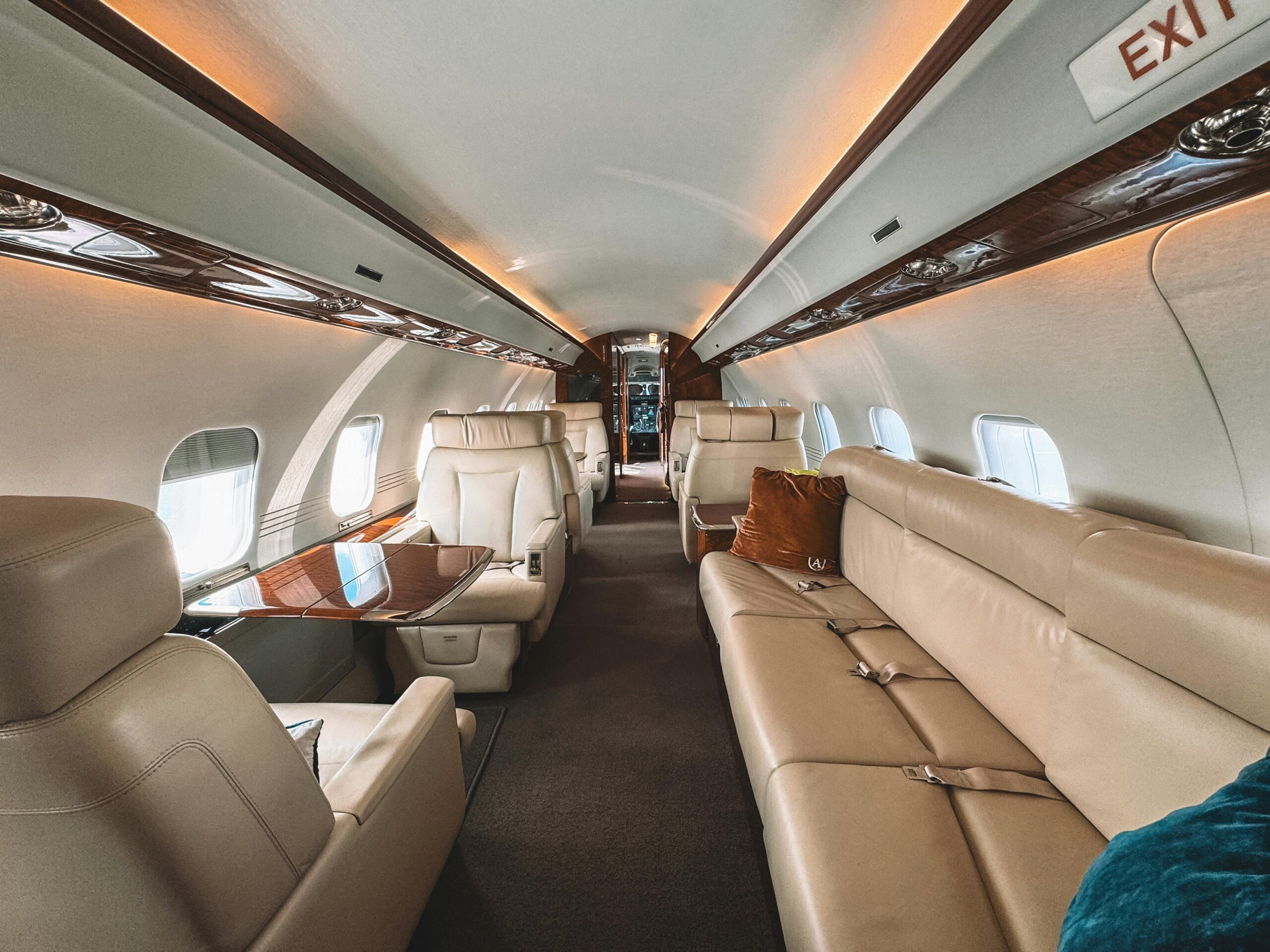
Luxury private jet cabin interior, a symbol of full ownership and the high cost fueled by celebrity and mogul travel.

The Private Jet Playbook: How Billionaires Ditch Fractional Shares for Full Ownership (And the Celebs Fueling the $12 Million Annual Cost)

For the globe-trotting elite, time is the ultimate luxury, and private aviation remains the definitive symbol of ultimate freedom and status. But beneath the veneer of seamless travel, a complex financial strategy unfolds. While **fractional ownership** once dominated the private jet market, an increasing number of billionaires, tech titans, and A-list celebrities are opting for outright ownership, despite annual costs that can soar past **$12 million** for a top-tier Gulfstream or Bombardier.

This in-depth analysis for **CelebJetSet.com** dissects the economics of private jet acquisition, comparing the often-misunderstood costs of fractional shares versus full ownership. We’ll explore the tax advantages, the evolving market trends, and reveal why privacy, flexibility, and tangible control are driving the ultra-wealthy away from shared models—even as operational costs rival a small country’s GDP. Discover the true calculus behind a celebrity’s decision to own the skies.

The Sky-High Stakes: Fractional vs. Full Ownership for the Elite

The choice between fractional ownership, jet cards, and full ownership is a critical financial decision for any high-net-worth individual, balancing immediate access against long-term cost and flexibility.

1. Fractional Ownership: A Gateway, Not a Destination

Fractional ownership (e.g., NetJets, Flexjet) allows an individual to buy a specific share of an aircraft (e.g., 1/16th, 1/8th), granting them a guaranteed number of flight hours per year. While offering convenience and avoiding full capital outlay, it comes with high monthly management fees, occupied hourly rates, and limited customization. For many, it’s a stepping stone.

2. The Freedom of Full Ownership

Full ownership provides complete control over scheduling, customization, and crew selection. There are no black-out dates, no waiting for aircraft availability, and the ability to outfit the cabin to exact specifications (e.g., Beyoncé’s custom-designed interior or Elon Musk’s Starlink-equipped G650). This unparalleled flexibility becomes invaluable for individuals with complex, global itineraries.

3. The Illusion of Cost Savings in Fractional

While fractional ownership requires less upfront capital, the combination of acquisition fees, monthly management fees, and high occupied hourly rates often makes the **effective cost per hour comparable to, or even higher than, full ownership** for users flying more than 200-250 hours per year. For frequent flyers like touring musicians or global CEOs, fractional rapidly loses its financial appeal.


The Financial Flight Path: Annual Costs & Market Comparison

Understanding the true annual cost of a private jet is critical. It’s not just the purchase price, but the persistent operational, maintenance, and crew expenses that define the investment.

Cost CategoryFull Ownership (Approx. Annual)Fractional Ownership (1/4 Share, Approx. Annual for ~200-250 hrs)Key Consideration
**Initial Acquisition (Capital Outlay)**$30M – $70M+$3M – $15M (Plus Equity Depreciation)Higher upfront for full, but asset is fully controlled.
**Fuel Costs**$1.5M – $4M+Included in Hourly/Operational FeesMajor variable, depends on flight hours.
**Crew Salaries & Benefits (2-4 Pilots, 1-2 Flight Attendants)**$600,000 – $1.5MIncluded in Hourly/Management FeesFull ownership requires direct employment/management.
**Maintenance & Engine Reserves**$500,000 – $2MIncluded in Hourly/Management FeesManaged directly, can be unpredictable.
**Hangar & Landing Fees**$200,000 – $800,000Included in Hourly/Operational FeesLocation-dependent, can be substantial.
**Insurance**$100,000 – $300,000Included in Management FeesMandatory, comprehensive coverage.
**Management Fees (if outsourced)**$300,000 – $1M$300,000 – $1.5M (Monthly Fee)Full ownership can use a management company.
**Total Annual OPERATIONAL Costs****$3.2M – $10.6M+****$3M – $8M+** (for 200-250 hrs)Full ownership has higher fixed costs, but lower per-hour variable for heavy users.

Source: Industry estimates, aircraft management companies. Costs vary significantly by aircraft type, age, and usage. Excludes acquisition debt service.

4. The $12 Million Baseline: A Reality for Active Owners

As the table illustrates, for an actively used large-cabin jet, annual costs for full ownership can easily reach **$5 million to $12 million or more**, especially factoring in fuel for extensive global travel. This is a cost many A-listers and corporate giants absorb for the critical advantages it provides.

5. Capital Depreciation vs. Operating Costs

While a jet is a depreciating asset (losing 3-5% of its value annually for the first few years), the depreciation can be a significant tax write-off. For full owners, the goal is often to optimize the operational costs against this depreciation, making it a sophisticated financial vehicle beyond mere transportation.


The Celeb Advantage: Privacy, Productivity, and Tax Plays

Beyond the raw numbers, the non-financial benefits are what truly compel the ultra-wealthy to fully own their private jets.

6. Unmatched Privacy and Security

For celebrities and public figures, private jets offer an unparalleled level of privacy and security unavailable in commercial travel. Avoiding paparazzi at airports, controlling passenger manifests, and ensuring a secure environment for sensitive conversations are priceless advantages that justify the expense.

7. Time as Capital: Maximizing Productivity

For billionaires and CEOs, every hour is capital. A private jet eliminates travel time wasted on layovers, security lines, and airport transfers. Meetings can be held in the air, itineraries can change mid-flight, and multiple cities can be visited in a single day—optimizing an executive’s most valuable resource: their time.

8. Tax Advantages: Accelerated Depreciation (U.S.)

In the U.S., private aircraft used for business can qualify for **accelerated depreciation** (e.g., 100% bonus depreciation in some years). This allows owners to deduct a significant portion of the aircraft’s purchase price, sometimes its full value, against taxable income, providing a massive tax shelter that significantly offsets the cost of ownership.

9. Branding and Business Tool

For global brands and public figures (e.g., Taylor Swift’s jet, Mark Cuban’s Boeing), the private jet is an extension of their brand and a powerful business tool. It enables them to reach remote locations for events, tour efficiently, and project an image of success and global reach that is invaluable for their enterprise.


The Turbulence Ahead: Risks, Management, and the Future

Despite the advantages, private jet ownership comes with significant responsibilities and evolving market dynamics.

10. Operational Complexity and Compliance

Operating a private jet is a complex undertaking involving stringent FAA/EASA regulations, crew management, maintenance scheduling, and international flight planning. Most owners outsource this to specialized aircraft management companies (e.g., Gama Aviation, ExecuJet) who handle all aspects for a substantial fee.

11. Hidden Costs and Unexpected Maintenance

Beyond regular reserves, unforeseen maintenance events (e.g., bird strikes, major component failures) can lead to multi-million dollar repair bills. While insurance covers some, these events can ground an aircraft for weeks or months, incurring opportunity costs.

12. Environmental Scrutiny and Carbon Offsets

Private jet travel faces increasing environmental scrutiny. Owners, particularly high-profile celebrities, are often pressured to invest in **carbon offset programs** or utilize Sustainable Aviation Fuel (SAF), adding another layer of cost and reputational management to ownership.

13. Resale Market Volatility

The resale value of private jets can be volatile, influenced by new model releases, global economic conditions, and the cost of fuel. While some models hold value well, others can depreciate rapidly, meaning the owner might not recoup their initial capital investment.

14. The “Dry Lease” Revenue Model

To offset costs, some owners “dry lease” their aircraft when not in use. This involves contracting with a charter operator who uses the plane (without a crew) for third-party charters, generating revenue to offset annual expenses. This requires careful management to ensure the aircraft remains available for the owner’s primary use.

15. Future Innovations: Supersonic and Electric

The industry is on the cusp of revolutionary changes, with the development of **supersonic private jets** (e.g., Boom Supersonic’s Overture) and **electric vertical take-off and landing (eVTOL) aircraft**. These innovations promise to redefine private travel, potentially offering even faster, more efficient, and environmentally friendlier options, which will impact current asset values.


Conclusion: Where Sky Meets Strategy for the Elite

Private jet ownership, for the ultra-wealthy and celebrity class, is a sophisticated strategic decision driven by an uncompromising demand for privacy, productivity, and unparalleled control. The staggering annual costs, often exceeding $12 million, are justified by the invaluable benefits of time optimization, enhanced security, and significant tax advantages.

As the market evolves, the trend towards full ownership over fractional shares underscores a preference for complete command over one’s most precious resource: time. For the readers of **CelebJetSet.com**, understanding this high-stakes game reveals that for the true elite, the skies are not just for travel—they are an extension of their strategic domain.

Disclaimer: This article provides general market commentary and is not financial, tax, or legal advice. Consult licensed professionals.

Kanye West: Intellectual Property and the Complexity of Creative Ownership

Artistic workspace symbolizing creative ownership and design independence

Kanye West: Intellectual Property and the Complexity of Creative Ownership

Kanye West remains one of the most studied and polarizing figures in modern culture. His genius and controversy often compete for headlines, but beyond both lies a fascinating business model built on vision and autonomy. The Kanye West creative ownership framework represents a bold experiment in self-definition, where music, fashion, and identity merge into a single, evolving enterprise. Whether admired or debated, West reshaped how cultural capital functions in the 21st century.

Vision as Intellectual Property

From the beginning, Kanye approached creativity as an ecosystem. His early success in music production gave him leverage to expand into fashion, architecture, and brand design. Yet, what truly defines his empire is control. West insists that ownership—of masters, trademarks, and ideas—is not optional; it’s essential. He turned intellectual property into the backbone of celebrity entrepreneurship.

This same principle powers Jay-Z & Beyoncé’s Cultural Capital Blueprint, where narrative ownership sustains influence. However, Kanye’s version is more experimental, driven by risk-taking and relentless reinvention. For him, art and business are inseparable—each funds and fuels the other.

The Kanye West Creative Ownership Philosophy

The core of Kanye West creative ownership lies in creative sovereignty. He often describes his work as a living organism—constantly mutating, adapting, and redefining itself. Whether designing sneakers or scoring symphonies, his approach rejects limitations. His ambition to merge art and commerce mirrors a belief that creativity itself is a form of equity.

This echoes Rihanna’s Fenty Empire, where artistic integrity drives enterprise. Yet, Kanye’s path is more volatile. He treats creation like rebellion—an act of disruption rather than adaptation. That volatility, paradoxically, gives his brand its vitality.

Building Yeezy: Design as Autonomy

The launch of Yeezy with Adidas marked a turning point in both fashion and celebrity economics. Kanye didn’t just endorse a shoe—he engineered a movement. By maintaining control over design and creative direction, he blurred the boundaries between artist and entrepreneur. Yeezy became a living example of how aesthetics, when paired with narrative, can evolve into cultural currency.

In contrast to traditional celebrity collaborations, Kanye structured Yeezy around independence, similar to how Pharrell Williams approaches brand building through creative capital. Both demonstrate that innovation flourishes where ownership meets experimentation. For Kanye, design wasn’t a side project—it was a declaration of autonomy.

Controversy as a Double-Edged Brand Strategy

Kanye’s willingness to speak without filter often complicates his public image, yet controversy has become part of his cultural architecture. Each outburst or unexpected pivot reinforces his unpredictability—a brand trait as much as a personal one. While risky, this approach ensures constant relevance in a world addicted to reaction.

This dynamic reflects lessons from Kim Kardashian’s Brand Equity Blueprint, his former partner in business and life. Both understand that modern influence depends on controlled chaos—turning scrutiny into visibility, and visibility into opportunity. The difference is that Kanye wields chaos as canvas rather than shield.

Music as Manifesto

Every Kanye album functions as a business statement wrapped in art. The College Dropout introduced disruption; Yeezus symbolized rebellion; Donda embodied reflection. Each project redefines his brand’s emotional language. Through sound, Kanye communicates the same values that guide his ventures: originality, defiance, and design as destiny.

This use of storytelling aligns with LeBron James: The Athlete as Enterprise, where narrative coherence shapes leadership. Both figures prove that storytelling, when intentional, transforms public identity into strategic legacy.

Breaking the Business Mold

Where many artists seek stability, Kanye seeks structure he can shatter. His ventures with Adidas, Gap, and beyond often begin with partnership and end in reclamation. The pattern isn’t failure—it’s iteration. Each chapter refines his understanding of creative control. The willingness to start over, even after setbacks, defines his brand more than success does.

This iterative approach parallels Serena Williams: The Cultural Architect, who redefined legacy through evolution. Both figures remind audiences that resilience is the most authentic form of influence.

Innovation Through Collaboration

Despite his reputation for autonomy, Kanye thrives on collaboration. Architects, designers, and musicians often describe working with him as demanding yet transformative. He expects innovation from everyone involved. By blurring hierarchical lines, he turns creative teams into laboratories for possibility. His collaborative model transforms ego into ecosystem.

In this sense, Kanye’s leadership aligns with George Clooney’s Cultural Entrepreneurship, where trust and authenticity drive partnerships. Both recognize that legacy depends not on how much you own, but how meaningfully you build with others.

KShaw’s Perspective — The Paradox of Ownership

As KShaw observes, the Kanye West creative ownership framework reveals a paradox: total control can both empower and isolate. West’s brilliance lies in his ability to turn that tension into productivity. His ventures operate like living art pieces—controversial, imperfect, and unforgettable. The result is a portfolio that reflects both genius and grit.

From an analytical standpoint, Kanye’s work functions as cultural R&D. Every idea tests a new boundary between commerce and expression. He doesn’t just innovate—he interrogates innovation itself. That makes his legacy complex but enduring, even when his reputation divides opinion.

The Legacy of Creative Freedom

Kanye West’s story isn’t simply one of success or scandal; it’s a study in authorship. He redefined how creative ownership functions in entertainment—placing vision above validation. His empire, though turbulent, is a mirror for modern culture: brilliant, messy, and deeply human.

The Kanye West creative ownership model demonstrates that art and enterprise can coexist if authenticity leads. While his path remains unpredictable, one truth stands firm: Kanye built a system where creativity itself is currency, and ownership is the ultimate expression of identity.

Conclusion

In the end, Kanye West’s legacy may not rest on any single product or performance, but on his unrelenting pursuit of freedom. He turned the act of creation into its own business strategy—one defined by courage, control, and contradiction. Whether you admire or challenge his methods, his influence on music, fashion, and design remains undeniable.

Through Kanye West creative ownership, he reminds creators that the cost of independence is high—but so is its return. His story serves as both inspiration and warning, proving that the pursuit of vision, though chaotic, is the purest form of success.

Disclaimer

This article is for informational and research purposes only. It does not provide financial, legal, or investment advice. All insights are based on publicly available cultural and branding analysis of Kanye West and his professional ventures.

Elon Musk: Narrative, Mythmaking, and the Cult of Innovation

Futuristic design concept symbolizing innovation and visionary leadership

Elon Musk: Narrative, Mythmaking, and the Cult of Innovation

Elon Musk’s story is less about technology and more about belief. His ability to transform ideas into movements reshaped how the world perceives leadership, innovation, and ambition. The Elon Musk cultural innovation model fuses engineering with narrative—turning companies into characters and inventions into stories. Love him or challenge him, Musk has redefined the psychology of influence in the modern age.

Innovation as Storytelling

Every product Musk creates—whether it’s a rocket, car, or neural interface—arrives wrapped in narrative. His companies function not only as businesses but as story engines. Tesla isn’t just about cars; it’s about accelerating human evolution. SpaceX isn’t only about rockets; it’s about rewriting destiny. This narrative clarity turns technology into mythology.

That same concept underpins Jay-Z & Beyoncé’s Cultural Capital Blueprint, where ownership and storytelling merge. Like the Carters, Musk understands that stories outlive products. The result: loyalty that transcends transaction.

The Elon Musk Cultural Innovation Framework

The foundation of Elon Musk cultural innovation is vision engineering—an approach that aligns product, brand, and ideology. Musk doesn’t sell features; he sells futures. His ventures across energy, space, and AI function as chapters in one overarching manifesto about humanity’s potential.

This unifying vision resembles Rihanna’s Fenty Empire, where inclusivity becomes the core brand narrative. In both cases, brand value arises from emotion, not exposure. Their stories connect because they promise meaning, not material.

Mythmaking as Marketing

Musk’s mythmaking ability distinguishes him from traditional CEOs. By cultivating an image of the visionary outsider, he attracts both critics and believers. Every launch, tweet, or stunt becomes cultural theater. Whether he’s sending a car into space or debating AI ethics, Musk turns moments into metaphors.

This strategic mythmaking parallels Kim Kardashian’s Brand Equity Blueprint, where personal identity becomes marketing infrastructure. The difference lies in tone: Kardashian curates transparency, while Musk curates audacity. Both, however, master the art of emotional scale—engaging audiences through narrative gravity.

The Entrepreneur as Character

Musk isn’t simply a founder; he’s a protagonist in a continuing saga. His public persona—part engineer, part provocateur—blurs fiction and fact. By dramatizing ambition, he humanizes complexity. He makes Mars colonization feel personal and electric cars feel revolutionary. This storytelling device transforms abstract technology into accessible emotion.

This technique aligns closely with Pharrell Williams and the Art of Creative Capital, where personality becomes a platform for design thinking. Both creators use identity as the connective tissue between innovation and audience.

Risk, Rebellion, and Reputation

Elon Musk thrives in risk zones—financial, reputational, and creative. His ventures often begin where logic hesitates. Whether facing production delays or market backlash, he leverages risk as narrative fuel. Each setback reinforces his mythology as the relentless visionary who refuses to quit.

This approach recalls LeBron James: The Athlete as Enterprise, where resilience becomes legacy. Both figures turn adversity into architecture, building credibility through endurance rather than perfection. Their stories remind audiences that struggle, when owned, becomes a brand asset.

Designing Culture, Not Just Products

Musk’s impact extends far beyond technology. Through Tesla, he reframed environmentalism as aspiration. Through SpaceX, he made science heroic again. And through ventures like Neuralink and The Boring Company, he fused curiosity with commerce. Every product he launches carries a symbolic message: progress is personal.

This intersection of meaning and market resembles Serena Williams: The Cultural Architect. Like Serena, Musk uses mastery in one field to inspire transformation across others. Both transcend their professions by embodying an ideology of limitless reinvention.

Social Media as Stage

Where traditional CEOs communicate through press releases, Musk performs in real time. His social media presence serves as both megaphone and laboratory. Tweets become prototypes for public reaction, merging marketing and market research. This immediacy creates intimacy—and volatility.

In a similar way, George Clooney’s Cultural Entrepreneurship uses authenticity as communication strategy. Both men blur the line between personal expression and brand message, proving that transparency—when intentional—can outshine polish.

KShaw’s Perspective — The Innovation Narrative

As KShaw observes, the Elon Musk cultural innovation framework thrives because it fuses ambition with accessibility. Musk doesn’t just innovate; he narrates innovation. His companies operate as extensions of his worldview—chaotic, visionary, and intensely human. By making the process visible, he transforms technological progress into cultural participation.

From an analytical standpoint, Musk’s greatest asset isn’t technology—it’s time. He moves faster than perception, forcing industries to respond rather than react. That velocity, combined with storytelling, creates a sense of inevitability around his ideas. He doesn’t wait for culture to adapt; he accelerates it.

The Ethics of Influence

Yet, Musk’s model isn’t without tension. His dominance in both narrative and innovation raises questions about the line between leadership and myth. When one person becomes the story, the system can lose balance. Still, his work sparks essential dialogue about accountability in an era when influence drives innovation as much as intellect.

This duality connects back to Kanye West’s Creative Ownership, where genius and controversy coexist. Both demonstrate that creativity and control are double-edged tools—capable of building empires and fracturing them in equal measure.

The Legacy of Visionary Design

Regardless of opinion, Elon Musk’s contribution to cultural history is undeniable. He turned engineering into storytelling and leadership into spectacle. His legacy will not be measured solely in stock prices or Mars missions, but in how he made innovation emotional again. In doing so, he shifted public imagination from “what is possible” to “what is next.”

The Elon Musk cultural innovation blueprint reminds us that vision has power when it feels personal. By merging narrative with invention, Musk didn’t just build companies—he built context. That, ultimately, is his most disruptive creation.

Conclusion

Elon Musk’s career illustrates how storytelling can transform innovation into identity. Through narrative discipline, relentless experimentation, and public vulnerability, he turned the act of creation into collective participation. Whether admired as a genius or critiqued as a provocateur, he remains one of the few modern leaders whose vision shapes culture as much as commerce.

The Elon Musk cultural innovation model proves that influence is the new infrastructure. When stories move people, people move markets—and that may be Musk’s greatest invention of all.

Disclaimer

This article is for informational and research purposes only. It does not provide financial, legal, or investment advice. All insights are based on publicly available cultural and branding analysis of Elon Musk and his professional ventures.