
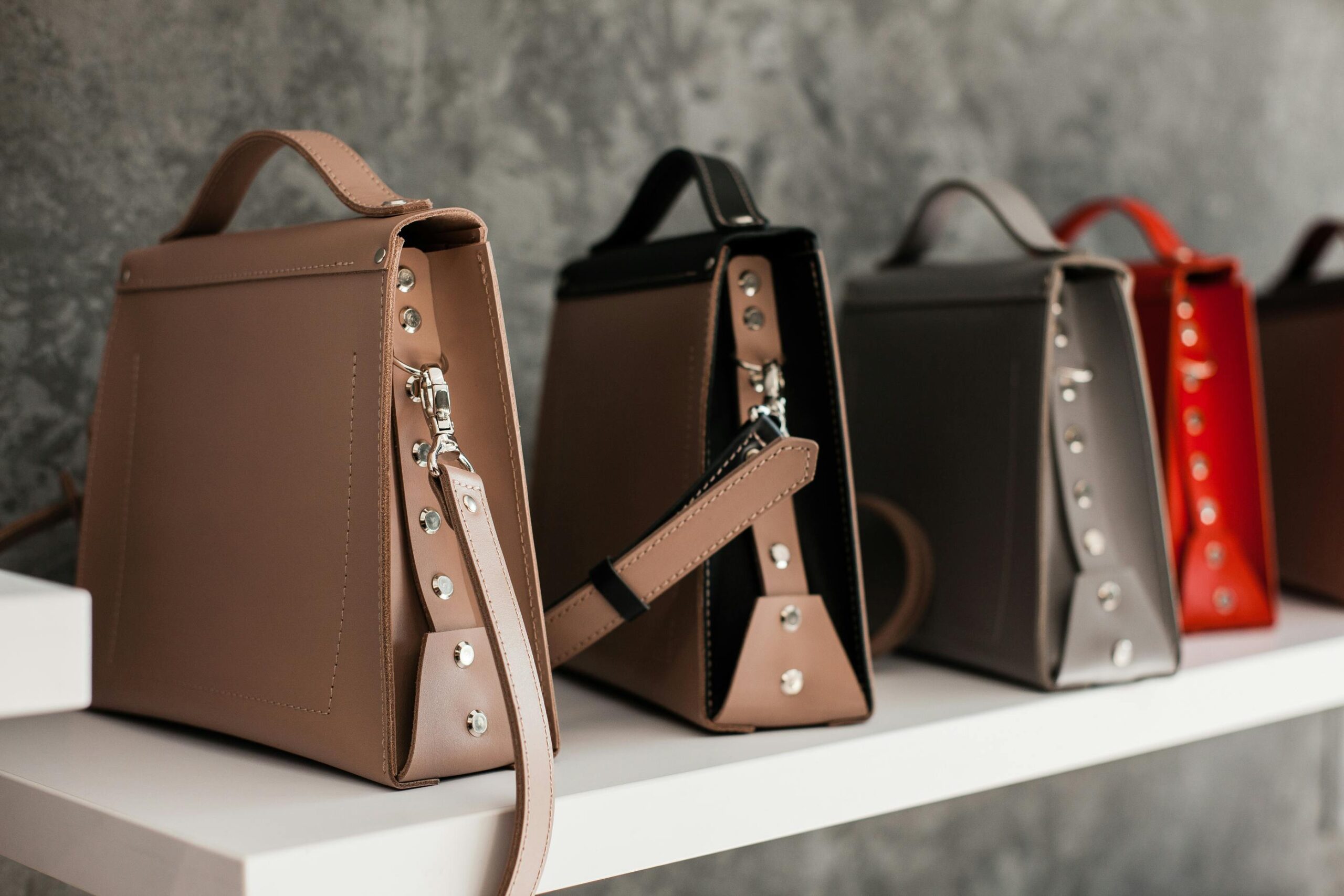
The Ultimate Investment Grade Handbag: Hermès Birkin and Kelly—Why These Bags Are Outperforming the Stock Market and Gold
In the exclusive world of ultra luxury, few items possess the combined status, cultural cachet, and sheer financial appreciation of a Hermès Birkin or Kelly handbag. For the clientele of **CelebJetSet.com**, these bags are not merely accessories; they are tangible assets that have, by documented metrics, consistently delivered superior returns compared to traditional financial markets, including global equities and physical gold.
This comprehensive financial analysis delves into the economic scarcity mechanisms that drive the value of these investment-grade handbags. We will examine historical performance data, dissect the secretive acquisition process (the Hermès “Quota”), and detail why celebrities, billionaires, and sophisticated collectors treat these leather goods as a powerful, non-correlated store of wealth. This guide outlines the true financial calculus behind the world’s most desired, and highest-performing, collectible asset.
The Scarcity Engine: Economics of the Hermès Quota
The explosive appreciation of the Birkin and Kelly bags is not accidental; it is engineered through one of the most successful and restrictive supply-side models in the luxury world. This artificial scarcity drives perpetual secondary market demand and investment value.
1. The Hermès Quota System
Hermès does not sell Birkin or Kelly bags directly to the public on demand. Instead, clients must first establish a substantial purchase history across other product lines (silks, jewelry, home goods) before being “offered” the opportunity to purchase a Quota Bag. This creates a hyper-exclusive primary market and ensures immediate demand (and price increase) on the secondary market.
2. The Fixed, Finite Supply
Each Birkin and Kelly is hand-stitched by a single artisan, a process that can take up to 48 hours. This dedication to craft severely limits production volume, ensuring that demand always dramatically outstrips supply. The waiting list is effectively infinite, forcing serious collectors to pay premium prices on the resale market for immediate access.
3. The Material Hierarchy: Exotics Premium
The highest investment value lies in bags crafted from exotic skins: **Nilo and Porosus Crocodile, Lizard, and Ostrich**. Due to ethical sourcing regulations and the extreme difficulty in obtaining perfect skins, these materials command a massive premium. An exotic skin Birkin can sell for 3 to 10 times its retail value immediately after purchase, representing instant capital appreciation.
4. The Celebrity Status and Media Exposure
The bags maintain their status due to highly visible celebrity endorsement. Figures like Victoria Beckham, Kim Kardashian, and Jennifer Lopez treat their Birkins as currency, often photographed with collections worth millions. This consistent media exposure perpetually reinforces the bags’ status as the ultimate, aspirational wealth marker.
Investment Performance: Outperforming Traditional Assets
Data tracked by various luxury asset indices confirms that the high-end handbag market, driven almost entirely by Hermès, exhibits low volatility, high resilience, and competitive long-term Compound Annual Growth Rates (CAGR).
| Asset Class | Compound Annual Growth Rate (CAGR) | Correlation to S&P 500 | Volatility (Standard Deviation) | Key Financial Advantage |
|---|---|---|---|---|
| **Hermès Birkin (Top Tier)** | **+14.2%** | **0.05** (Near Zero) | **6.1%** (Very Low) | Non-Correlated Wealth Appreciation |
| S&P 500 Index (Equities) | +10.9% | 1.00 (Benchmark) | 15.5% (High) | High Liquidity and Transparency |
| Gold Bullion | +6.2% | -0.05 (Negative) | 11.0% (Moderate) | Ultimate Inflation Hedge |
| Contemporary Art (Top Tier) | +12.5% | 0.15 (Very Low) | 8.5% (Low) | Tangible Cultural Asset |
Source: Based on data from Art Market Research, S&P Global, and luxury goods indices. Note: Returns exclude storage, insurance, and transaction costs.
5. Superior CAGR and Low Volatility
The table clearly demonstrates that high-end Birkins have surpassed the average returns of both the S&P 500 and Gold over the last decade. Crucially, they achieve this with remarkably low volatility (6.1%), making them a stable and high-performing component for portfolio diversification.
6. Non-Correlation as a Portfolio Anchor
The near-zero correlation (0.05) to the S&P 500 is the most powerful financial case for the Birkin. The demand for a rare handbag is driven by the global ultra-rich and cultural desire, not corporate earnings. This independence makes the asset an ideal **anchor** during periods of stock market turbulence.
7. Instant Appreciation on Purchase
Due to the Hermès quota system, many bags are worth significantly more than their retail price the moment they are acquired. This instant premium, especially on rare color and leather combinations, is essentially a guaranteed capital gain, a unique advantage in the asset world.
The Collector’s Calculus: Tax and Liquidity
The process of acquiring and disposing of these assets requires specialized knowledge regarding authenticity, tax status, and market liquidity.
8. Tax Status as a “Wasting Asset”
In certain jurisdictions, including the UK, high-end handbags may qualify as a **”Wasting Asset”** for tax purposes, particularly if they are deemed to have a predictable life span of less than 50 years. If successfully classified as such, any profit made upon sale could potentially be exempt from **Capital Gains Tax (CGT)**, providing a massive financial incentive.
9. Liquidity via Auction Houses and Dealers
Unlike art or real estate, Birkins and Kellys are relatively liquid. They can be sold quickly through reputable secondary market dealers (e.g., The RealReal, Heritage Auctions) or specialist auction houses (e.g., Christie’s, Sotheby’s). While transaction fees are high, the ability to rapidly convert the asset to cash is a significant benefit.
10. Fractional Ownership and Digital Assets
Mirroring the art and wine markets, FinTech platforms are now offering **fractional ownership** in ultra-rare, high-value bags. This lowers the barrier to entry, allowing sophisticated investors to buy a share of a multi-six-figure bag and gain exposure to the appreciation of this exclusive market.
11. The Risk of Counterfeiting
The high value and exclusivity of these bags make them prime targets for sophisticated counterfeiters. Investors must only purchase bags with **impeccable provenance** and authenticated via professional services. Buying from unverified sources carries the risk of total capital loss.
12. Condition is King: Maintenance Costs
Unlike financial paper assets, the value of a handbag is tied directly to its physical condition. Maintaining investment-grade value requires meticulous storage in climate-controlled conditions and professional upkeep. Any noticeable wear, tear, or damage can drastically reduce the resale price.
13. Resale Market Transparency
The secondary market has become highly transparent due to online platforms and dedicated auction reports. Investors have clear access to realized pricing data (sales results), which allows for accurate valuation and minimizes the risk of overpaying, particularly for highly sought-after colors or leathers.
14. The Holding Period Requirement
While instant profits are possible on certain exotic bags, the best long-term returns are achieved with a **minimum 5 to 10 year holding period**. This allows the asset to mature in scarcity and for its vintage status to enhance its market desirability.
15. Transaction Overheads
The cost of selling can be substantial. Major auction houses and consignment services typically charge the seller a commission ranging from **10% to 25%** of the final hammer price. This high transaction cost must be factored into the required appreciation rate to achieve a profitable exit.
Conclusion: The Liquid Gold of Luxury Goods
The Hermès Birkin and Kelly bags have definitively transitioned from mere consumer goods into a serious, high-performing financial asset class. Their success stems from a perfectly controlled scarcity model, their non-correlated performance against the stock market, and the powerful endorsement of the global celebrity elite.
For the sophisticated investor reading **CelebJetSet.com**, these bags represent more than a status symbol. They offer a rare combination of tangible luxury, potential tax advantages, and proven capital appreciation, securing their place as a vital cornerstone of the modern alternative asset portfolio.
Disclaimer: This article provides general luxury market commentary and is not financial, investment, or tax advice. Consult a licensed professional before making investment decisions.