
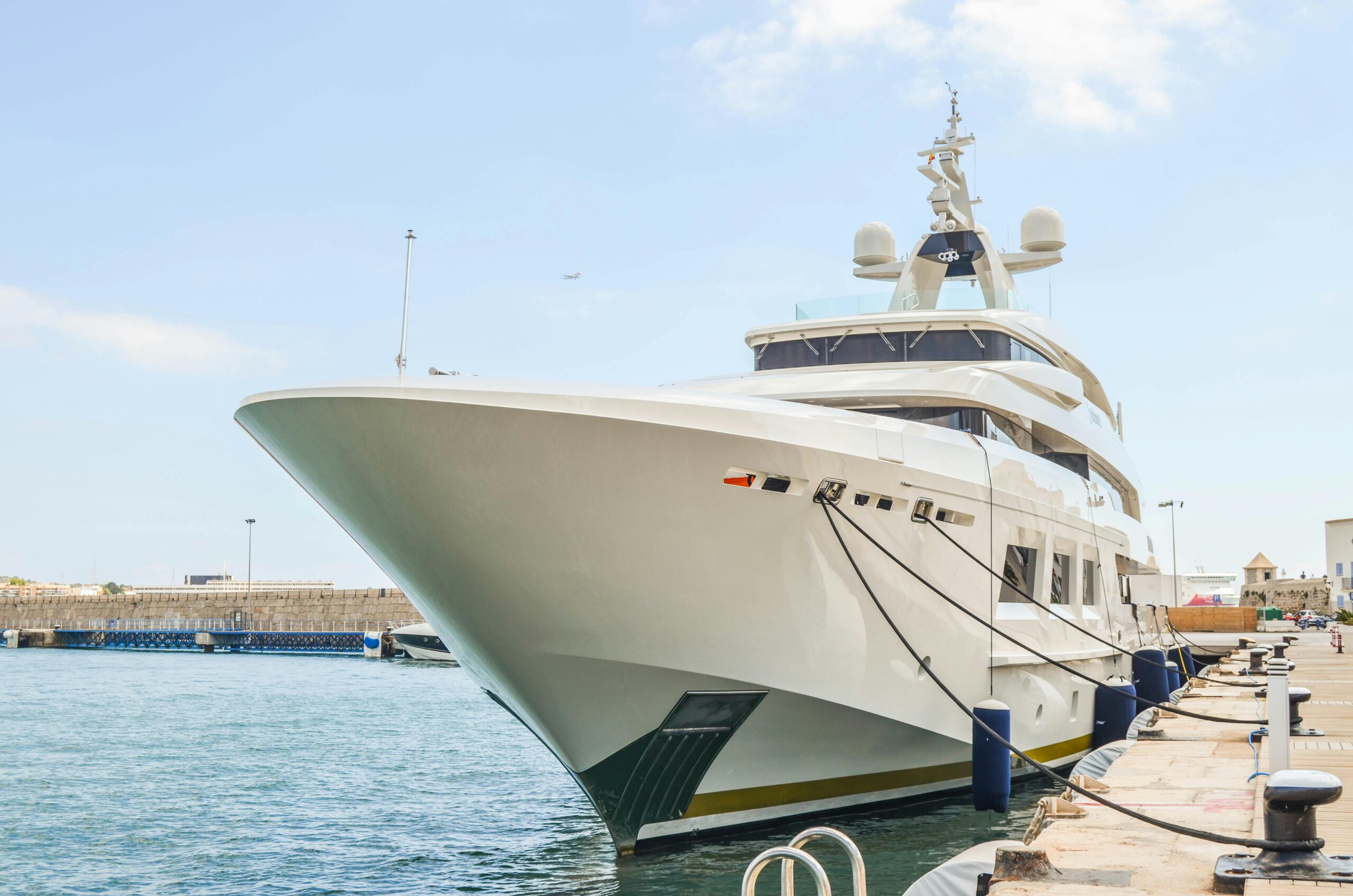
Advanced Yacht Security: Mitigating High-Value Maritime Risk and Piracy
A superyacht isn’t just a vessel; it’s a mobile, high-value asset, often carrying millions in art, cash, and jewelry. **Consequently**, the field of **advanced yacht security** has evolved far beyond simple alarms. It now involves sophisticated, multi-layered maritime risk management that protects owners and their assets from piracy, political threats, and technical surveillance. The global rise in organized maritime crime and drone surveillance means comprehensive planning is non-negotiable for any UHNW owner.
The Three Domains of Modern Maritime Risk
Superyachts operate in three distinct environments, each presenting unique security challenges that demand specialized protocols. **Therefore**, owners must account for:
- **Port and Dockside Risk:** While moored, the yacht becomes a static target for opportunistic theft, corporate espionage, and unauthorized entry.
- **Coastal and Anchor Risk:** When anchored nearshore, the yacht faces threats from high-speed, low-radar-profile craft and swimmers, primarily focusing on robbery or kidnapping.
- **Blue Water Risk:** This domain covers trans-oceanic voyages, presenting the highest danger from organized, militarized piracy operations, particularly in high-risk areas (HRAs).
I. Technical Systems: Detection and Deterrence
Modern **advanced yacht security** relies heavily on systems that detect threats early and employ layered deterrents, minimizing the need for direct confrontation.
Integrated Detection Technology
Detection systems must fuse multiple data streams to provide a comprehensive operational picture. **Therefore**, the primary detection mandate is early warning:
| System Type | Function | Risk Mitigation Focus |
|---|---|---|
| **Long-Range Radar** | Detects surface threats (small, fast boats) 5–10 nautical miles out. | Provides crucial lead time for evasive maneuvers or hardened room lockdown. |
| **Acoustic Detection Sonar** | Identifies underwater threats, specifically trained divers or autonomous underwater vehicles (AUVs). | Prevents hull breach, sabotage, or insertion of surveillance devices. |
| **Electro-Optical/Infrared (EO/IR)** | High-definition day/night cameras track movement and verify radar contacts. | Confirms hostile intent and aids in positive target identification. |
Hardening the Yacht
**Furthermore**, the yacht’s structure must include certified passive defense measures. The **Citadel (or Panic Room)** is the most critical feature. This dedicated, steel-reinforced compartment is designed to withstand sustained ballistic and explosive attack for several hours. It contains independent communication systems, life support, and emergency provisions. Owners, crew, and security personnel retreat to the Citadel during a hostile boarding, securing themselves until external professional assistance can arrive.
II. Strategic Operations: Crew and Personnel
No technology can replace a well-trained security team and crew. **Consequently**, security operations mandate extensive training and strict adherence to pre-approved standard operating procedures (SOPs).
Professional Security Personnel
Lenders and insurers often require a minimum number of contracted, maritime-trained security professionals (MTSPs) onboard when traversing HRAs. **Specifically**, these personnel are usually former military or special forces and maintain strict non-lethal defense protocols compliant with international maritime law. Their primary role is reconnaissance, surveillance, and preventing unauthorized boarding.
Logistical Compliance
The captain’s route must be filed and approved, particularly when approaching zones near current political instability. **In addition**, all communications must be highly encrypted, and the yacht’s unique Automatic Identification System (AIS) transponder signal should be set to “silent mode” when operating in high-risk areas to avoid broadcasting the vessel’s exact location to potential attackers. For regulatory guidance on maritime security levels, consult official international bodies like the International Maritime Organization (IMO), which sets global compliance standards.
III. Legal and Insurance Management
**Advanced yacht security** is as much about managing financial and legal risk as it is physical defense. **Therefore**, comprehensive insurance policies are essential.
Kidnap and Ransom (K&R) Insurance
The threat of kidnapping for ransom is high in certain areas. **Therefore**, UHNW owners carry **K&R insurance**, a specialized policy that covers the cost of crisis management, negotiation, and ransom payment (though payment is legally complicated). This policy often mandates the use of an approved, professional crisis management firm immediately upon the declaration of an incident.
| Policy Coverage Component | Description | Financial Protection |
|---|---|---|
| **Ransom Payment** | Reimbursement for the agreed-upon ransom amount. | Covers the principal monetary loss. |
| **Crisis Management** | Fees for specialist negotiators and advisory firms. | Covers high-cost, time-sensitive professional services. |
| **Loss of Hire** | Compensation for lost charter revenue if the yacht is detained or damaged. | Covers business interruption for charter vessels. |
Conclusion
Managing the risk profile of a modern superyacht requires sophisticated, coordinated expertise. **Ultimately**, the owner is purchasing an integrated defense system—from multi-sensor radar to ballistic-rated panic rooms and specialized K&R policies. **Finally**, this robust system of **advanced yacht security** is the required framework for protecting both the multi-million dollar asset and the lives of those onboard, transforming the yacht into a highly resilient maritime platform.
Disclaimer
This article is for informational and educational purposes only and doesn’t constitute financial, legal, or security advice. Readers should consult with a qualified professional, such as a maritime security consultant or specialized insurance broker, regarding their specific needs.